
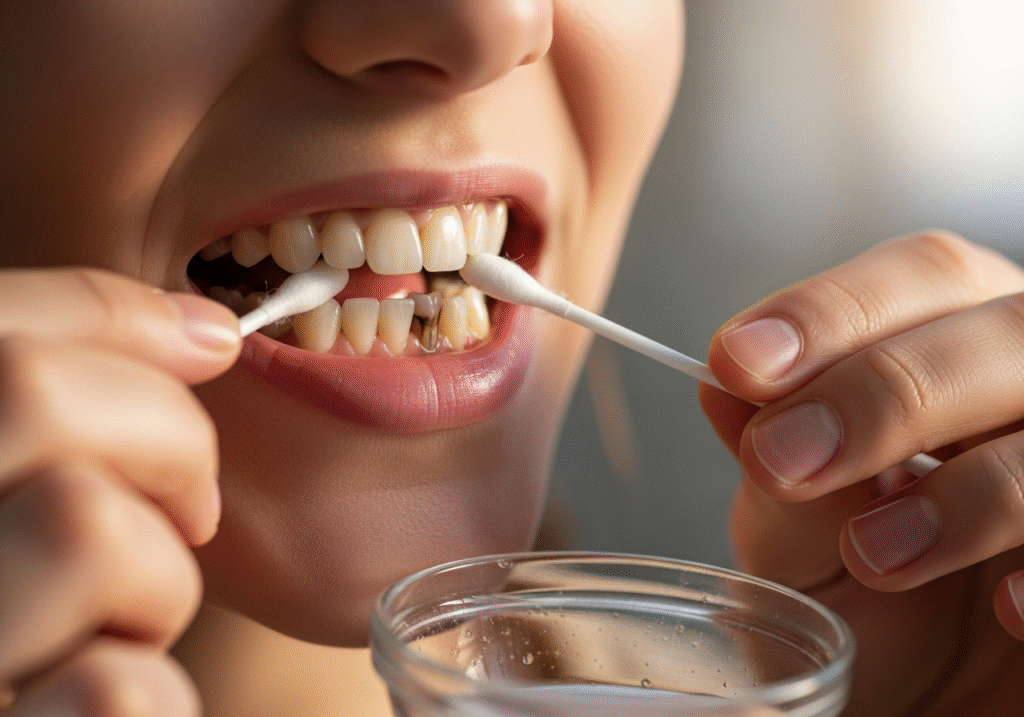
Many patients wonder, “Why Is My Root Canal Tooth Hurting After Years?” A root canal treatment is usually very effective at removing infection and relieving pain, allowing teeth to function normally for decades. However, some teeth can develop pain long after the procedure. Common causes include tooth decay, cracks in the tooth or dental crown, new infections in the gum tissue, or complications in the original endodontic treatment. Understanding why a tooth hurts after years is essential for timely intervention. Early detection and proper care can prevent further damage, protect surrounding teeth, and ensure that your smile stays healthy and pain-free.
Many patients ask, why is my root canal tooth hurting after years. A root canal treatment is designed to remove infection from the tooth and relieve pain. Most teeth treated with root canal treatment remain painless for life. However, it is possible for a tooth to hurt years later. Understanding the causes, symptoms, and treatment options can help save your tooth and protect gum tissue. In this article, we explain why your root canal tooth might hurt, how to identify the problem, and what to do next.
Understanding Root Canal Treatment
A root canal treatment is a dental procedure designed to remove infected or damaged pulp from inside a tooth. The pulp contains nerves, blood vessels, and connective tissue. When the pulp becomes infected due to tooth decay, trauma, or cracks, it can cause severe dental pain. During the procedure, a dentist cleans the canals inside the tooth and fills them with special material to prevent further infection. Most teeth also receive a dental crown or filling to restore strength. Properly done, a root canal tooth should function normally for years. Teeth with multiple roots or complex canals may be harder to treat, increasing the risk of late pain.
Common Reasons for Root Canal Pain Years Later
Even after a successful root canal, some teeth develop pain later. One reason is incomplete root canal treatment, where some infected tissue was not removed. A tooth can also develop new tooth decay, especially around the edges of a dental crown or filling. Cracks in the tooth or fractured dental crowns can expose nerves and cause discomfort. Sometimes, gum tissue infection develops around the tooth, creating pressure and sensitivity. Chronic inflammation in the surrounding bone or hidden tooth abscesses can also cause pain long after treatment.
Symptoms That Signal a Problem
Not all discomfort is serious, but persistent symptoms should be evaluated. Patients may feel constant dental pain in the treated tooth. The surrounding gum tissue may be swollen, tender, or red. Some people experience sensitivity to hot or cold foods, or pressure when chewing. Severe cases may show pus or signs of a tooth abscess. Loose crowns or fillings can also expose the tooth to bacteria, causing recurring pain. Noticing these symptoms early is essential to prevent further damage or tooth loss.
Diagnosing the Problem
When a tooth hurts after years, your dentist will perform a thorough exam. X-rays or other imaging techniques reveal hidden infections, fractures, or bone changes. The dentist may test the tooth for tooth sensitivity or pressure response. Comparing symptoms to dental history helps identify if the root canal needs retreatment. Early diagnosis is crucial because untreated infections can spread to surrounding teeth or gum tissue. Sometimes the cause is minor, like a loose crown, and sometimes it requires endodontic treatment again.
Treatment Options
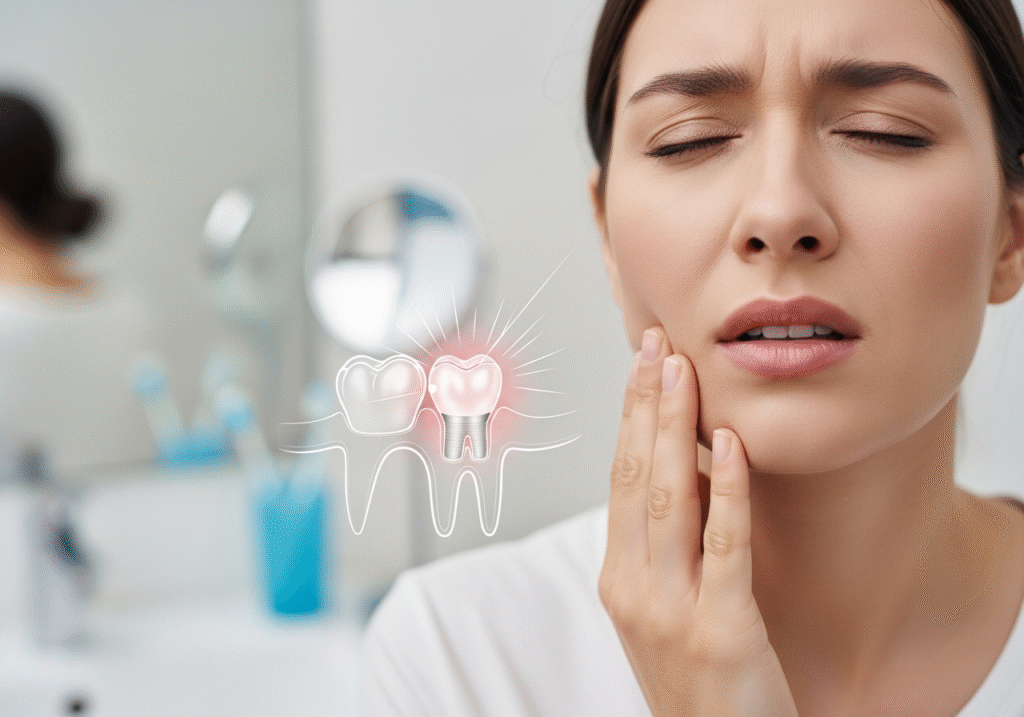
Treatment depends on the underlying cause. If the original root canal was incomplete, endodontic retreatment may be needed. This involves removing old filling material, cleaning the canals, and resealing them. In some cases, a surgical procedure called an apicoectomy removes infection at the tip of the root. If the tooth is severely damaged or fractured, extraction may be necessary. Infections are sometimes treated with antibiotics, but these alone rarely solve the problem. Replacing or repairing a dental crown may also relieve pressure and protect tooth enamel. Each option aims to relieve pain, prevent further infection, and save the natural tooth whenever possible.
Preventing Root Canal Problems in the Future
Maintaining a root canal tooth requires consistent care. Proper oral hygiene, including brushing twice daily, flossing, and using fluoride rinses, helps prevent tooth decay and infection. Avoid biting extremely hard foods, which can crack a dental crown or tooth. Regular dental check-ups allow early detection of cracks, decay, or gum issues. Maintaining gum tissue health also reduces the risk of late complications. Patients who follow these habits often keep their root canal teeth pain-free for decades.
When to See a Dentist Immediately
Certain symptoms require urgent attention. Severe, persistent dental pain that radiates to the jaw or face can indicate infection. Swelling in gum tissue, pus, fever, or tooth mobility are signs of a serious problem. Ignoring these issues can lead to abscesses or bone loss. Immediate consultation allows the dentist to treat the infection promptly, prevent tooth loss, and preserve tooth enamel and surrounding tissues.
Case Studies and Real-Life Examples
A 45-year-old patient experienced pain in a tooth treated with a root canal ten years earlier. X-rays revealed a tiny crack under the dental crown, which allowed bacteria to reach the root. Retreatment of the root canal and placement of a new crown eliminated the pain. Another patient had swelling and discomfort years after endodontic treatment because of a tooth abscess. Surgical intervention and antibiotics resolved the infection, preserving the tooth. These examples highlight the importance of monitoring tooth sensitivity, crowns, and gum tissue health over time.
Frequently Asked Questions
Can a root canal fail after years? Yes. Even well-treated teeth can develop new infections, cracks, or decay. Regular check-ups reduce this risk.
Why does my tooth hurt only sometimes? Pain can fluctuate depending on pressure, temperature, or small infections. Minor inflammation can make a tooth sensitive sporadically.
Can I save the tooth without surgery? Sometimes, retreatment of the root canal resolves the issue. Minor cracks may be managed with a new dental crown. Surgery is needed only if the infection cannot be accessed otherwise.
Are antibiotics enough for root canal pain? Antibiotics can control infection temporarily but do not fix structural problems in the tooth. Retreatment or surgery is usually necessary.
Tips to Stop Root Canal Tooth Pain After Years
If you are asking, why is my root canal tooth hurting after years, you are not alone. Many patients think that a root canal tooth should never hurt again. While root canal treatment is usually very successful, sometimes pain returns years later. This can be worrying, but there are several ways to manage and prevent discomfort. In this article, we share practical tips, deep insights, and professional advice to help you understand why your tooth hurts and what you can do.
Understand the Source of Pain
Before trying to manage the pain, it is important to understand the cause. Sometimes, pain after years occurs because of incomplete root canal treatment. If some infected tissue remained, it can cause inflammation. Other causes include new tooth decay, cracks in the tooth, or problems with the dental crown. Even gum tissue infection can create pressure and discomfort. Knowing the source helps you choose the right solution.
Visit Your Dentist Regularly
One of the most important tips is to schedule a dental check-up immediately if your tooth hurts. Dentists use X-rays and other imaging to see inside the tooth, check tooth enamel, and examine gum tissue. Early detection prevents complications such as tooth abscesses or further damage. Waiting too long can make treatment more complex and even lead to tooth loss.
Maintain Proper Oral Hygiene
Good oral care is essential to prevent future problems. Brush your teeth at least twice daily using a soft-bristled toothbrush. Floss every day to remove food particles between teeth. Using a fluoride mouthwash strengthens tooth enamel and protects against new tooth decay. Healthy gum tissue reduces the risk of infection around the root canal tooth. Consistent oral hygiene keeps your smile strong and helps your endodontic treatment last longer.
Monitor Tooth Sensitivity
Pay attention to your tooth sensitivity. Mild discomfort is normal occasionally, but persistent pain, sharp sensations when chewing, or temperature sensitivity may indicate problems. Keep a diary of symptoms including when pain occurs, its intensity, and triggers such as hot, cold, or pressure. This information helps your dentist diagnose the cause quickly and accurately.
Avoid Hard or Sticky Foods
Chewing hard candies, ice, or sticky foods can crack a dental crown or weaken a root canal tooth. Even small cracks allow bacteria to enter the tooth, causing late infection and pain. Stick to softer foods like eggs, yogurt, rice, and steamed vegetables, especially if you notice tenderness. Protecting the structural integrity of your tooth ensures that your endodontic treatment remains effective.
Manage Swelling and Discomfort
If your gum tissue is inflamed or the tooth is slightly swollen, you can reduce discomfort with cold compresses applied externally. Over-the-counter pain relievers can help temporarily. Avoid hot drinks and alcohol, which may worsen inflammation. These measures relieve pain while you seek professional dental care. Remember, temporary relief is not a substitute for proper treatment.
Treat New Tooth Decay Early
Even after a successful root canal, a tooth can develop new tooth decay around the edges of a dental crown or filling. Early detection and treatment of decay prevent infection from spreading to the root canal system. If you notice discoloration, food trapping, or sensitivity, consult your dentist immediately. Small cavities can be treated with fillings, while larger issues may require more extensive procedures.
Consider Retreatment or Surgery
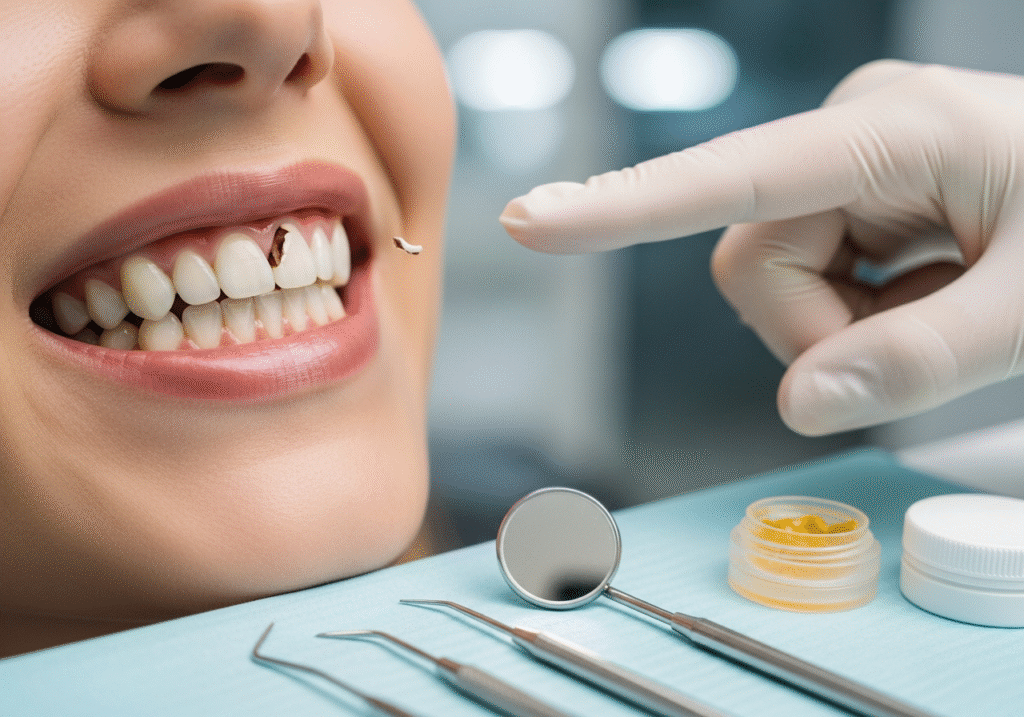
If pain persists, your dentist may recommend endodontic retreatment. This involves removing the old filling material, cleaning the canals again, and resealing them. In some cases, a surgical procedure called an apicoectomy removes infection from the tip of the root. These treatments save the natural tooth while relieving pain. Surgical intervention is sometimes necessary for stubborn infections or structural problems that cannot be fixed with simple retreatment.
Maintain Your Dental Crown
A damaged or loose dental crown can expose the root canal tooth to bacteria, causing pain. Ensure your crown fits well and has no cracks. Avoid chewing on hard substances and get your crown checked regularly. Sometimes, replacing or repairing the crown is enough to relieve discomfort without retreating the root canal. Proper maintenance extends the life of your tooth and prevents infections.
Avoid Smoking and Excess Sugar
Smoking and consuming high-sugar foods increase the risk of gum tissue infection and tooth decay. Nicotine reduces blood flow to gum tissue, slowing healing and promoting bacterial growth. Sugar feeds bacteria, which produce acids that damage tooth enamel. Limiting these habits helps your root canal tooth stay healthy and reduces the likelihood of pain returning years later.
Hydrate and Eat Nutritious Foods
Drinking plenty of water supports oral health by washing away bacteria and food particles. Eating nutritious foods like fruits, vegetables, and dairy strengthens tooth enamel and supports healthy gum tissue. Calcium, vitamin D, and phosphorus are especially important for maintaining strong teeth and preventing new decay around root canal-treated teeth. Good nutrition complements professional dental care and prolongs the success of your endodontic treatment.
Know When to Seek Urgent Care
Persistent or severe dental pain, swelling of gum tissue, pus discharge, fever, or a loose tooth requires immediate attention. These symptoms indicate serious infection or structural problems. Waiting can lead to bone loss, abscess formation, or even tooth extraction. Seeking prompt professional care ensures that your tooth is treated effectively, pain is relieved, and your oral health is preserved.
Keep a Dental History

Documenting your dental procedures helps you and your dentist understand potential causes of pain. Keep records of your root canal treatment, crown placement, and any previous dental issues. This history helps in diagnosing recurring tooth sensitivity or infections and guides the choice of treatment. Patients who maintain dental records often experience faster and more accurate care.
Long-Term Prevention
Long-term prevention focuses on consistent care. Avoid habits that damage tooth enamel, maintain gum tissue health, and attend regular dental check-ups. Early intervention for cracks, decay, or crown issues ensures your root canal tooth remains pain-free. Following these tips keeps your smile healthy, functional, and strong for many years.
Conclusion
Understanding why my root canal tooth is hurting after years is important for long-term oral health. Pain can result from tooth decay, cracks, incomplete treatment, or gum tissue infections. Early detection through X-rays, dental exams, and symptom monitoring is critical. Treatment options include retreatment, surgery, crown replacement, or extraction in severe cases. Maintaining proper oral hygiene, protecting tooth enamel, and following dentist guidance helps prevent pain and ensures root canal teeth remain strong and functional for decades. Regular check-ups and careful attention to tooth sensitivity are key to a healthy, pain-free smile.