
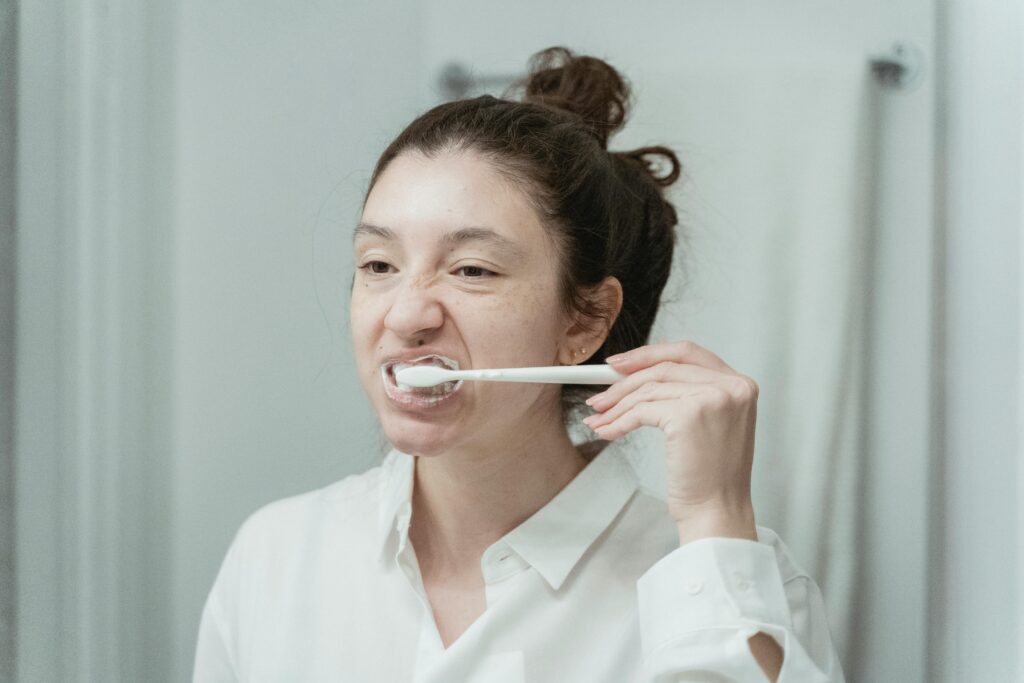
Teeth whitening is one of the most popular cosmetic dental procedures worldwide. Whitening strips, in particular, are a go-to choice for their affordability and ease of use. But one question many people have is: Should you brush your teeth before using whitening strips?
Let’s explore what dental professionals recommend, how brushing can impact the whitening process, and the best way to use strips for a whiter, healthier smile.
Why People Use Whitening Strips
Over time, teeth can become stained from coffee, wine, smoking, and other lifestyle habits. Whitening strips offer a convenient solution—usually containing hydrogen peroxide or carbamide peroxide—to break down these stains and restore brightness.
While they are widely available and simple to apply, many people aren’t sure about the correct preparation before using them, particularly when it comes to brushing.
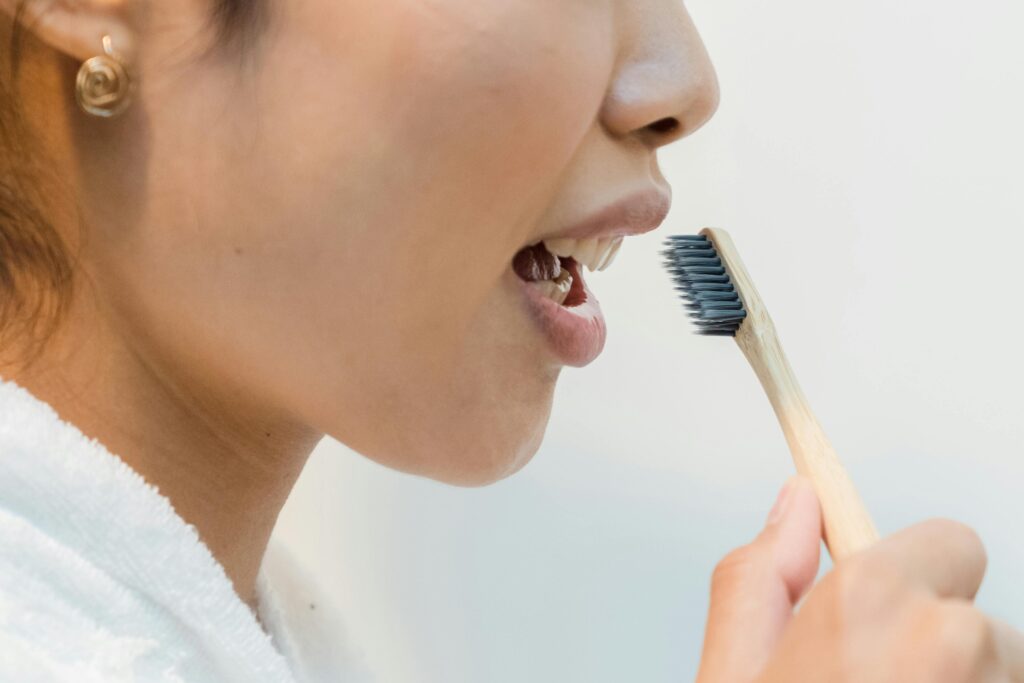
The Purpose of Brushing Before Whitening
Brushing your teeth helps remove plaque, food particles, and surface stains. This can make the whitening strips more effective, as the active ingredients can contact the enamel more directly.
However, timing matters.
Brushing immediately before applying whitening strips can potentially cause gum irritation, especially if you brush aggressively or use a hard-bristled toothbrush.
Pros & Cons of Brushing Before Whitening Strips
✅ Pros:
- Removes plaque: Ensures better contact between strip and enamel.
- Improves whitening effectiveness: A cleaner surface allows peroxide to penetrate better.
- Freshens breath and clears surface stains.
⚠️ Cons:
- Gum sensitivity: Brushing too hard or too soon can irritate gums, especially when peroxide is applied afterward.
- Enamel vulnerability: Right after brushing, enamel can be slightly more porous.
What Do Dentists Recommend?
Most dental professionals suggest the following:
- Brush your teeth at least 30 minutes before applying whitening strips.
- Avoid using abrasive toothpaste right before whitening.
- Use a soft-bristled toothbrush and gentle pressure.
- Do not brush immediately before applying strips to avoid gum irritation.
This approach balances cleanliness with enamel protection.
Proper Steps to Use Whitening Strips
To get the best results while protecting your oral health, follow these steps:
1. Brush your teeth gently
Use a fluoride toothpaste and soft toothbrush 30–60 minutes before applying whitening strips. Rinse thoroughly.
2. Dry your teeth (optional)
Drying your teeth with a tissue before applying the strips can improve adhesion.
3. Apply the strips
Follow the product instructions carefully. Most strips stay on for 5–30 minutes.
4. Avoid eating or drinking during use
This prevents strip displacement and maximizes effectiveness.
5. Remove and rinse
After removing the strips, rinse your mouth thoroughly. Avoid brushing again immediately unless advised by the product.
Common Mistakes to Avoid
- Brushing too hard before whitening: Can cause microabrasions and lead to sensitivity.
- Using whitening strips daily for too long: Overuse can harm enamel.
- Eating or drinking acidic foods afterward: Can weaken enamel further.
- Skipping days between applications: Follow the recommended schedule.
hould You Brush Your Teeth Before Whitening Strips?
Yes, but with care. Brushing your teeth 30–60 minutes before applying whitening strips is ideal. It helps remove debris and enhances the effectiveness of the strips. Just avoid brushing immediately before, and steer clear of hard bristles or harsh toothpaste to protect your gums and ena