Learning how to tighten a loose tooth at home can help reduce discomfort while supporting your oral health. Gentle remedies like improving oral hygiene, using saltwater rinses, avoiding hard foods, and applying soothing clove oil may help stabilize the tooth. These natural approaches can protect your gums and reduce irritation until professional care is available.

A loose tooth can be uncomfortable and worrying, especially for adults who are not expecting it. Many wonder how to tighten a loose tooth at home safely without visiting a dentist immediately. Understanding the causes, such as gum disease, tooth trauma, or nutritional deficiencies, is essential for effective home care. Simple remedies, proper oral hygiene, and gentle exercises can help strengthen gums and improve tooth stability. While professional dental care may be necessary for severe cases, using natural methods at home can support healing, reduce discomfort, and prevent further loosening. This guide provides practical tips to maintain healthy teeth and gums naturally.
A loose tooth in adults or teens is more than just a minor inconvenience—it can signal gum disease, bone loss, or trauma. Unlike children, who naturally lose teeth, adults experiencing mobility in their teeth need careful attention. Many people want to know how to tighten a loose tooth at home without immediately visiting a dentist.
Fortunately, mild cases can often be managed with natural remedies, improved oral hygiene, and nutritional support. This guide covers everything from home treatments and dietary tips to exercises and preventive measures. You’ll also learn when professional dental care is necessary, ensuring your approach is both safe and effective. By following these strategies, you can support gum health, strengthen teeth, and reduce discomfort while addressing mild tooth looseness naturally.
Understanding Loose Teeth
A loose tooth occurs when the ligaments and bone supporting the tooth weaken, allowing the tooth to move more than normal in its socket. While mobility is common in children, adults experiencing the same issue may face underlying oral health problems.
Causes of Loose Teeth in Adults
- Gum Disease (Periodontitis and Gingivitis) – Plaque buildup leads to inflammation, weakening gum tissue and bone around teeth.
- Trauma or Injury – Accidental impacts, falls, or biting hard foods can loosen teeth.
- Bone Loss – Conditions like osteoporosis reduce jawbone density, making teeth unstable.
- Poor Nutrition – Deficiencies in calcium, vitamin C, and vitamin D weaken gums and bones.
- Bruxism (Teeth Grinding) – Constant grinding or clenching wears down tooth support.
- Hormonal Changes – Pregnancy, menopause, or imbalances can affect gum strength.
Ignoring a loose tooth may lead to infection, worsening mobility, and potential tooth loss. Early intervention, even with home remedies, can help stabilize minor looseness.
Signs Your Tooth is Loose
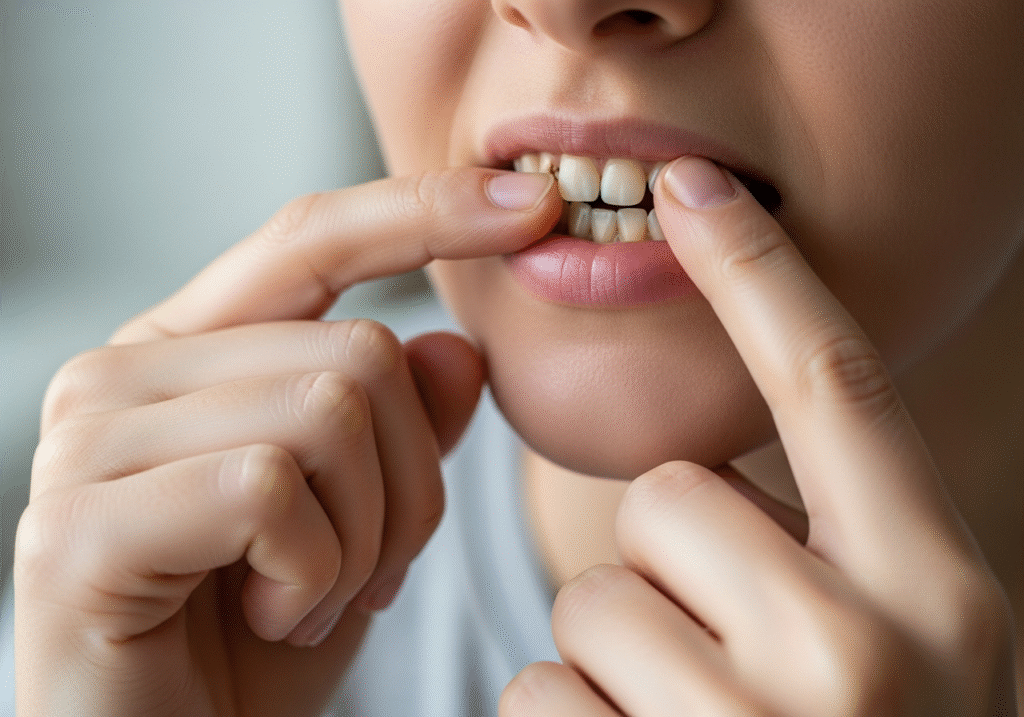
Recognizing early signs allows timely action to prevent further complications:
- Wiggling or movement – Tooth shifts when touched or during chewing.
- Sensitivity – Pain or discomfort with pressure.
- Gum inflammation – Red, swollen, or bleeding gums around the tooth.
- Jaw ache – Dull pain in surrounding teeth or jawbone.
- Bite changes – Teeth may not align correctly while chewing.
- Increased plaque or tartar – Buildup around the tooth can worsen looseness.
If symptoms are mild, natural remedies may help. Severe or persistent issues require dental evaluation.
Home Remedies to Tighten a Loose Tooth
Natural remedies focus on reducing inflammation, fighting bacteria, and supporting gum and bone health.
1. Saltwater Rinse
Saltwater helps reduce bacteria and soothes inflamed gums.
How to Use:
- Dissolve 1 teaspoon of salt in 1 cup of warm water.
- Swish around your mouth for 30–60 seconds, especially near the loose tooth.
- Repeat 2–3 times daily.
Benefits: Reduces swelling, prevents bacterial growth, and promotes healing.
2. Clove Oil Application
Clove oil has natural antibacterial and analgesic properties, which relieve pain and reduce gum inflammation.
How to Use:
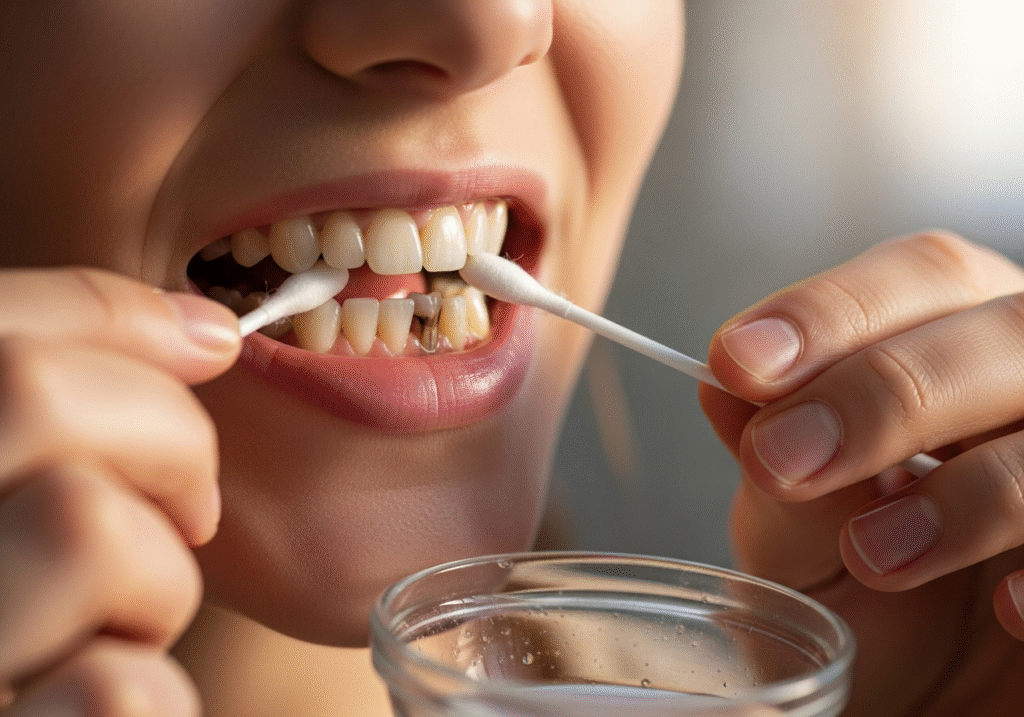
- Dip a cotton ball in a few drops of clove oil.
- Apply gently around the loose tooth and gums.
- Repeat 1–2 times daily.
Tip: Dilute with coconut oil if irritation occurs.
3. Turmeric Paste
Curcumin in turmeric is anti-inflammatory and antibacterial, which can help strengthen gums.
How to Use:
- Mix turmeric powder with water or coconut oil into a paste.
- Apply to gums around the loose tooth for 10–15 minutes.
- Rinse thoroughly.
Tip: Regular use can reduce gum swelling and support healing.
4. Aloe Vera Gel
Aloe vera is soothing and antibacterial, supporting gum tissue regeneration.
How to Use:
- Apply fresh aloe vera gel to gums surrounding the loose tooth.
- Leave for 10–15 minutes and rinse.
- Repeat daily for best results.
5. Green Tea
Rich in antioxidants and polyphenols, green tea reduces inflammation and strengthens gums.
How to Use:
- Drink 1–2 cups daily, unsweetened.
- Optionally, use cooled green tea as a gentle mouth rinse.
Nutritional Support for Tooth Stability
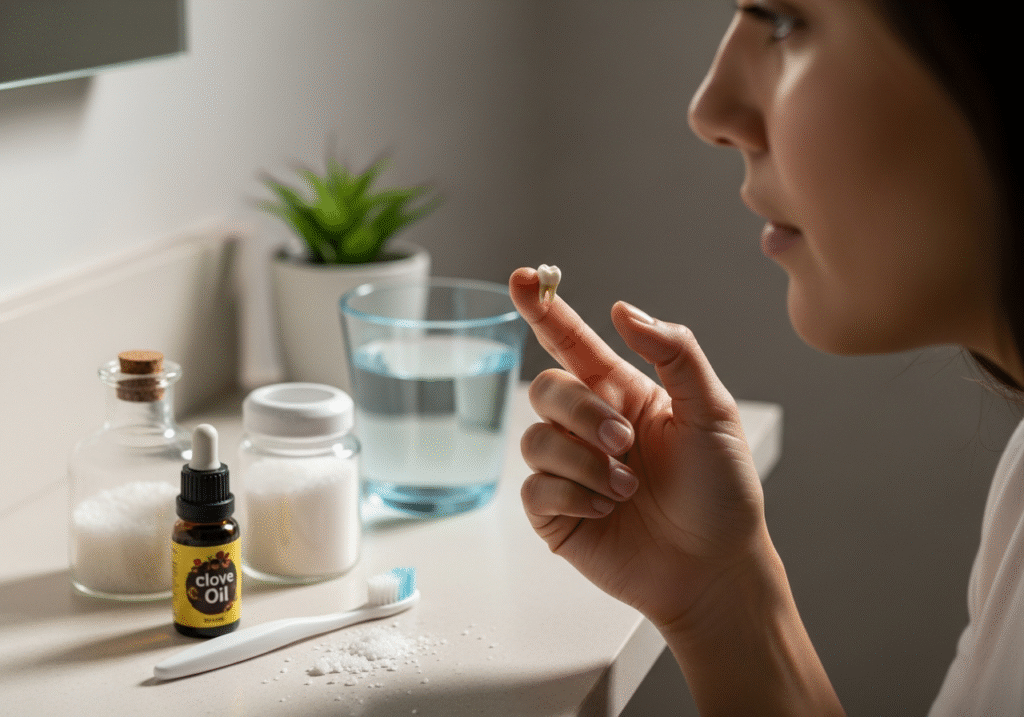
Diet plays a key role in supporting gums, bones, and overall oral health.
1. Calcium-Rich Foods
Strengthens teeth and jawbones: milk, yogurt, cheese, almonds, leafy greens.
2. Vitamin C
Supports collagen formation for strong gums: oranges, kiwis, strawberries, bell peppers.
3. Vitamin D
Enhances calcium absorption and bone health: sunlight, salmon, eggs, fortified milk.
4. Omega-3 Fatty Acids
Reduce gum inflammation: fatty fish, chia seeds, walnuts.
5. Avoid Sugary and Acidic Foods
Sugar feeds harmful bacteria; acidic foods weaken enamel and gum tissue.
Oral Care Habits for a Loose Tooth
Consistent, gentle oral hygiene strengthens gums and teeth.
- Brush twice daily with a soft-bristled toothbrush.
- Floss daily to remove plaque and food particles.
- Avoid chewing hard foods like ice, nuts, or candy on the affected side.
- Try oil pulling with coconut or sesame oil for 10–15 minutes to reduce bacteria.
- Wear a night guard if teeth grinding is a concern.
Physical Support and Exercises
1. Temporary Splinting
Gently tying a loose tooth to adjacent teeth or using a dental splint can provide temporary stability. Always consult a dentist first.
2. Gum Massage
Improves blood circulation, promoting tissue healing. Massage the gums around the loose tooth gently for 1–2 minutes daily.
3. Chewing Exercises
Chew soft foods on the opposite side to stimulate bone and gum tissue without putting pressure on the loose tooth.
When to See a Dentist
Home remedies are suitable for mild cases, but professional care is needed if:
- Tooth mobility is severe or worsening.
- Persistent pain, swelling, or bleeding occurs.
- Signs of infection, such as pus or fever, appear.
- The loose tooth interferes with eating or speech.
Professional treatments include:
- Splints or braces to stabilize teeth.
- Deep cleaning (scaling and root planing) for gum disease.
- Bone grafting or periodontal therapy.
- Extraction for irreparably loose teeth.
Prevention Tips for Loose Teeth
- Brush and floss daily.
- Use a soft-bristled toothbrush.
- Avoid teeth grinding or use a night guard.
- Maintain a balanced diet rich in calcium, vitamin C, and vitamin D.
- Regular dental checkups for early intervention.
FAQs
How long does it take to tighten a loose tooth naturally?
Mild looseness may improve within 2–6 weeks with consistent home care.
Can a loose tooth fix itself at home?
Minor looseness may improve with natural remedies, but severe cases require dental treatment.
Are home remedies safe for children or adults?
Yes, remedies like saltwater rinses, aloe vera, and clove oil are generally safe.
Does oil pulling help tighten teeth?
Yes, oil pulling reduces bacteria and strengthens gums, which can help stabilize a loose tooth over time.
Can nutrition alone stabilize a loose tooth?
Nutrition supports gum and bone health but cannot replace professional treatment in severe cases.
When should I get a dental splint?
If a tooth moves excessively or causes discomfort, a dentist may recommend splinting.
Conclusion
A loose tooth can be alarming, but mild cases can often be managed naturally. Using saltwater rinses, clove oil, aloe vera, turmeric, proper nutrition, and gentle oral care can help tighten a loose tooth at home. However, persistent looseness, infection, or pain requires professional attention. Preventive measures, such as balanced nutrition, regular dental checkups, and careful oral hygiene, are essential to maintain strong gums and healthy teeth. By combining natural remedies with consistent habits, you can support tooth stability and protect your smile safely at home.