
Many people search for How To Fix A Chipped Tooth At Home when they experience minor dental damage. While professional dental care is always recommended, there are temporary measures to manage discomfort and protect the tooth until treatment. Common steps include rinsing with warm water, gently cleaning the area, and applying dental wax or sugar-free gum to smooth sharp edges. Over-the-counter tooth repair kits, pain management, and emergency dental care can provide short-term relief and prevent further damage. Understanding oral hygiene, tooth protection, and temporary restoration techniques helps patients avoid complications and maintain comfort. It is important to avoid hard foods and chewing on the affected side while waiting for professional evaluation. Learning How To Fix A Chipped Tooth At Home empowers individuals to take immediate protective actions, reduce pain, and preserve oral health until they receive permanent treatment from a dentist.
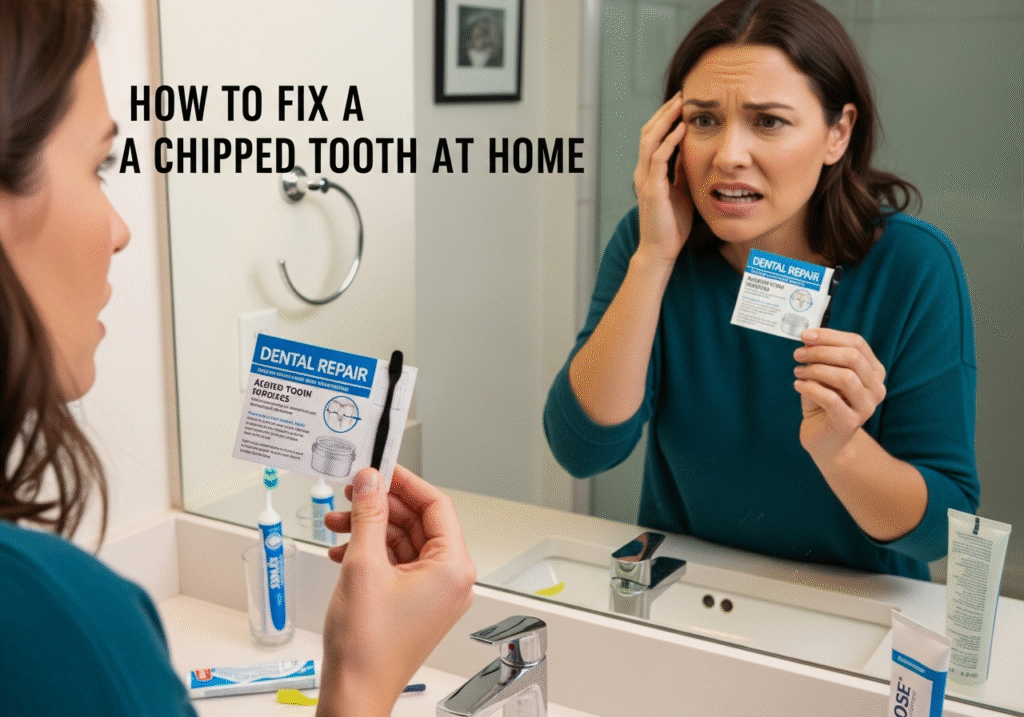
A chipped tooth is a dental problem that can occur unexpectedly. Many people experience it after a minor accident, biting into something hard, or as a result of habits such as grinding teeth at night. While some chips may appear purely cosmetic, they can lead to discomfort, heightened sensitivity, and even serious complications if neglected. The extent of the damage may vary from a small enamel chip to a deeper fracture that exposes the dentin or pulp. Understanding what a chipped tooth is and how it affects oral health is critical for determining the proper course of action. Home care can provide temporary protection and pain relief, but professional evaluation is always necessary for permanent restoration. Acting promptly can prevent further damage, protect the tooth’s structure, and maintain oral health in the long term.
Causes of a Chipped Tooth
Chipped teeth can result from a wide range of factors. Physical trauma is one of the most common causes, including falls, sports injuries, or accidents that exert direct force on the teeth. Biting into hard substances such as ice, nuts, or hard candy can also lead to fractures. People who grind their teeth, especially during sleep, gradually weaken the enamel over time, increasing susceptibility to chipping. Acidic foods, beverages, and certain medical conditions, such as acid reflux, can erode enamel, making teeth more vulnerable to breaking. Additionally, cavities and tooth decay create structural weaknesses that make even minor impacts capable of causing chips. Factors such as age, poor dental hygiene, and lack of protective gear during high-risk activities further increase the likelihood of a chipped tooth. Understanding these causes helps in both preventing chips and determining the urgency of treatment when a chip occurs.
Symptoms to Watch For
Recognizing the signs of a chipped tooth is vital for timely care. A jagged edge on a tooth can cut the tongue or the inside of the cheek, causing discomfort and irritation. Sensitivity to hot, cold, or sweet foods may indicate that the inner dentin or pulp has been exposed. In some cases, the gum surrounding the tooth may bleed or become inflamed, particularly if the chip is large or accompanied by trauma. Visible changes in the tooth’s shape, such as missing fragments or uneven surfaces, often signal that immediate attention is needed. Pain when biting or chewing may also suggest that the fracture extends deeper into the tooth’s structure. Even minor chips should be assessed by a dental professional, as delaying treatment can result in infection, decay, or further structural damage.
Immediate First Aid After a Chip
Immediate action can help protect the tooth and reduce discomfort. Rinsing the mouth with warm salt water cleans the area, removes debris, and reduces the risk of infection. Applying gentle pressure with clean gauze can control minor bleeding for ten to fifteen minutes. A cold compress placed on the outside of the cheek can minimize swelling and temporarily numb the pain. Over-the-counter pain medications such as ibuprofen or acetaminophen can alleviate discomfort, but it is important to follow the recommended dosages. If a fragment of the tooth has broken off, storing it in milk or saliva may allow a dentist to reattach it. Covering jagged edges with dental wax prevents injury to the tongue or inner cheek while waiting for professional treatment. Acting quickly with these measures can prevent the situation from worsening and protect the tooth until you can access dental care.
Safe Home Remedies
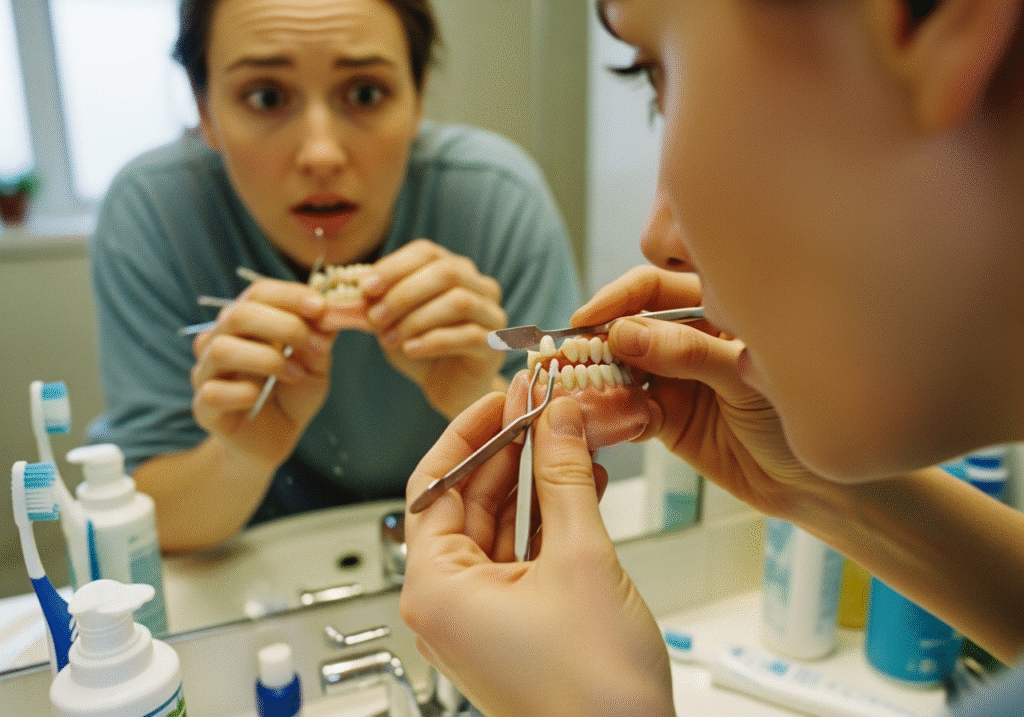
While professional care is essential for permanent repair, several home remedies can provide temporary relief. Dental wax can protect sharp edges from causing cuts in the mouth. Temporary dental filling materials, available over-the-counter, can fill small chips and prevent further damage. Regular rinsing with warm salt water keeps the area clean and reduces bacterial buildup. Diluted hydrogen peroxide rinses may help disinfect the affected tooth, but should always be followed by plain water to avoid irritation. Eating soft foods such as yogurt, soups, mashed potatoes, and smoothies minimizes stress on the damaged tooth. Avoiding very hot, cold, sticky, or crunchy foods further protects the chipped area. These measures are designed to stabilize the tooth and reduce discomfort until permanent treatment is possible.
Temporary Fixes Until You See a Dentist
Temporary solutions are critical to protecting a chipped tooth until professional care is available. One of the simplest methods is using dental wax to cover jagged edges, which prevents cuts to the tongue and cheeks. Over-the-counter dental filling kits can fill small chips, stabilizing the tooth and reducing the risk of further damage. Soft foods, such as yogurt, oatmeal, soups, and mashed vegetables, help prevent accidental stress on the damaged tooth. Avoiding sticky candies, ice, or hard foods is important, as these can worsen the chip or dislodge a temporary filling. While these measures do not repair the tooth permanently, they create a safe window for seeking professional dental attention without exacerbating the injury.
In addition to wax and temporary fillings, some people use orthodontic silicone or sugar-free chewing gum to cover minor fractures. These materials can act as a cushion over sharp edges, preventing irritation in the mouth. Rinsing with warm salt water multiple times a day keeps the area clean and reduces the risk of bacterial infection. Patients can also adjust their oral hygiene routine by brushing gently around the chipped tooth to avoid aggravating the fracture. Maintaining oral cleanliness during this period is critical to ensure the tooth does not develop secondary decay while waiting for dental treatment. Even temporary solutions should be handled with care, as improper placement of home materials can worsen the situation.
How to Manage Pain at Home
Pain management is an important aspect of caring for a chipped tooth. Over-the-counter medications, such as acetaminophen or ibuprofen, can help control discomfort. Using a cold compress on the cheek near the affected area helps numb the tooth and reduce swelling. Rinsing with warm salt water not only cleanses the area but can also alleviate mild soreness. Avoiding foods and drinks that trigger sensitivity, such as very hot, cold, or sugary items, is another key strategy. In some cases, applying clove oil to the exposed area can provide a temporary numbing effect, as clove oil contains eugenol, which acts as a natural analgesic. However, care should be taken to apply it sparingly and avoid swallowing.
It is important to remember that pain is a warning sign, indicating the need for professional evaluation. Persistent or worsening discomfort, throbbing sensations, or signs of infection, such as swelling or pus, should prompt immediate dental attention. Home remedies only mask the symptoms and do not address underlying damage. Patients should also avoid chewing directly on the affected tooth, as pressure can aggravate pain and potentially increase the fracture. By combining temporary pain relief measures with careful protection of the tooth, patients can reduce discomfort until a dentist can provide definitive care.
Mistakes to Avoid When Fixing a Chipped Tooth
Certain common mistakes can worsen a chipped tooth or delay healing. Attempting to remove or scrape the fractured piece yourself can lead to further breakage or injury to the surrounding gums. Using hard or abrasive materials to smooth a jagged edge can damage enamel and cause infection. Ignoring the chip altogether, even if it seems minor, increases the risk of decay, infection, or nerve involvement. Over-relying on temporary filling materials for extended periods without seeking professional care may allow bacteria to penetrate the tooth, resulting in serious complications. Additionally, consuming hard, sticky, or acidic foods can weaken the tooth structure further and exacerbate sensitivity.
Some people try to use household remedies such as glue or adhesives to “repair” a chipped tooth. This is extremely dangerous, as non-dental materials are toxic and can introduce bacteria into the tooth. Similarly, attempting to realign or pull a chip out of the tooth can create structural damage, necessitating extensive dental treatment later. Maintaining oral hygiene around the affected area is critical, but brushing aggressively or using harsh mouthwashes can irritate the exposed dentin or pulp. Avoiding these mistakes ensures that temporary home care remains protective rather than harmful while waiting for professional dental intervention.
When to Seek Professional Dental Care
Professional evaluation is essential for proper repair of a chipped tooth. Even minor chips can expose the inner layers of the tooth to bacteria, increasing the risk of decay and infection. Severe chips may require immediate attention, especially if the pulp or nerve is exposed, causing intense pain, swelling, or bleeding. A dentist can assess the damage, recommend the appropriate treatment, and provide solutions that restore both function and appearance. Timely intervention can prevent complications such as root infections, abscesses, or tooth loss, which could result from delayed care. Dental professionals can also determine if additional procedures, like a root canal or crown, are necessary for long-term protection.
Visiting a dentist promptly also allows for the possibility of reattaching a broken fragment. In cases where the chip is small and primarily cosmetic, bonding or veneers can restore the tooth’s natural appearance. Moderate fractures may require crowns or onlays to protect the remaining tooth structure. The dentist will evaluate the integrity of the enamel and dentin and decide on the best approach for strength, aesthetics, and comfort. Home remedies only provide temporary protection, whereas professional treatment addresses the cause and ensures long-term oral health. Regular follow-up care helps monitor the tooth and prevent future problems, making early dental consultation an essential step after any chip occurs.
Professional Treatments for a Chipped Tooth
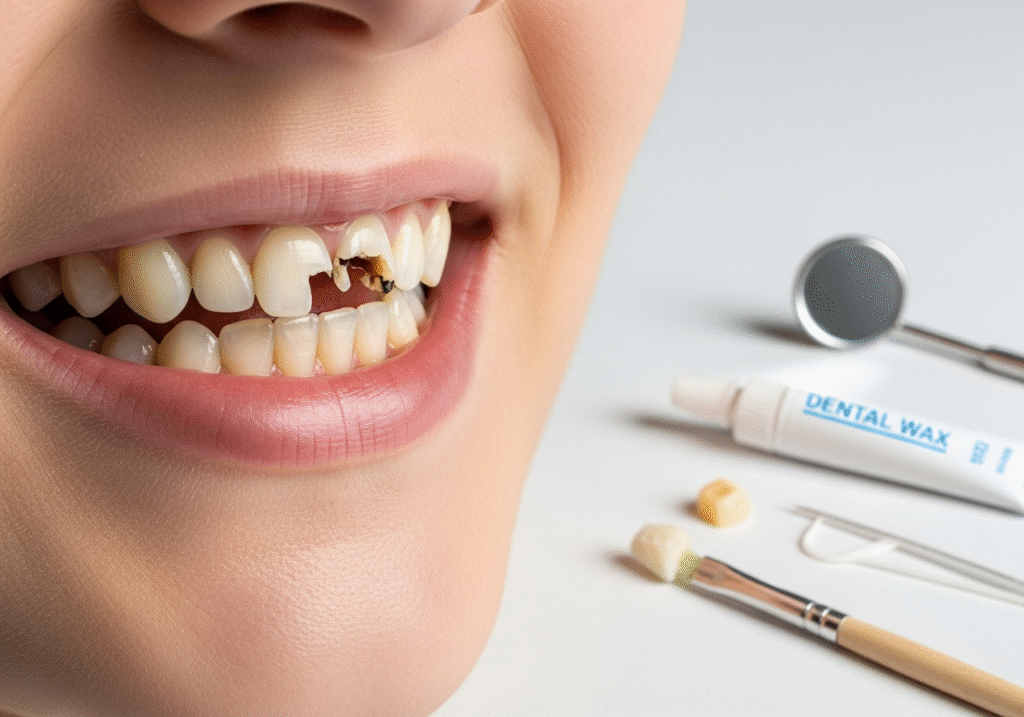
There are several professional treatments available depending on the severity of the chip. For minor enamel chips, dental bonding is often the simplest and most effective solution. This procedure involves applying a tooth-colored resin to the chipped area, shaping it to match the original tooth, and curing it with a special light. Bonding restores the tooth’s appearance and prevents further damage. For more extensive chips, dental veneers, which are thin porcelain coverings bonded to the front of the tooth, can provide both cosmetic and structural support. Crowns are typically used for larger fractures or teeth that have structural weaknesses, encasing the entire tooth for maximum protection.
In cases where the pulp or nerve is exposed due to a severe chip, root canal therapy may be necessary before restoration. This involves removing the damaged pulp, cleaning the canal, and sealing it to prevent infection. After a root canal, a crown is usually placed to strengthen and protect the tooth. Professional treatment ensures that the tooth regains both function and aesthetics while reducing the risk of long-term complications. Dentists also provide guidance on proper aftercare, including dietary restrictions and oral hygiene practices, to promote healing and maintain the repaired tooth.
Comparing Home Remedies vs Professional Care
While home remedies are valuable for temporary relief, they cannot replace professional treatment. Home measures, such as dental wax, temporary fillings, and gentle rinsing, mainly prevent further injury, reduce discomfort, and keep the tooth clean. They are effective in stabilizing minor chips for short periods but do not repair the tooth permanently. Professional care, on the other hand, addresses the underlying damage, restores the tooth’s structural integrity, and protects against infection. Procedures like bonding, veneers, crowns, or root canals ensure that the tooth functions normally and maintains its natural appearance. Comparing these approaches highlights the importance of using home remedies only as a stopgap measure, while relying on professional care for definitive repair and long-term oral health.
Professional dental treatment also provides diagnostics that home care cannot achieve. X-rays and examinations help determine whether the fracture has affected the pulp or surrounding structures. Without such evaluation, hidden damage may go unnoticed, potentially leading to severe pain, abscesses, or even tooth loss. Home remedies cannot address these deeper issues, and relying solely on temporary fixes increases the risk of long-term complications. Therefore, while home care is an essential first step, it should always be followed by professional assessment to ensure complete healing and protection.
Prevention Tips to Avoid Future Chips
Preventing chipped teeth is far easier than repairing them. Wearing a mouthguard during sports or other high-risk activities can protect teeth from trauma. Avoiding biting into extremely hard foods, such as ice, hard candies, or nuts, reduces the likelihood of fractures. Practicing good oral hygiene strengthens enamel and prevents decay, which can make teeth more prone to chipping. Regular dental check-ups help identify weak or compromised teeth before they become problematic. Additionally, addressing teeth grinding, whether through night guards or stress management techniques, can prevent enamel erosion and fractures. Lifestyle adjustments, including limiting acidic food and drink, also contribute to stronger, healthier teeth. Prevention is not just about avoiding accidents; it involves maintaining overall dental health to minimize vulnerability.
Diet and Lifestyle Considerations for Strong Teeth
A balanced diet plays a critical role in strengthening teeth and preventing chips. Foods rich in calcium, phosphorus, and vitamin D support enamel health and bone strength. Dairy products, leafy greens, nuts, and fish are particularly beneficial. Limiting sugar intake helps prevent cavities, which weaken tooth structure and increase the likelihood of fractures. Staying hydrated promotes saliva production, which naturally protects teeth from decay and erosion. Avoiding excessive acidic foods and beverages helps maintain enamel integrity. Additionally, quitting smoking and limiting alcohol consumption support oral health and reduce the risk of dental problems. Lifestyle habits, combined with proper oral hygiene, form a comprehensive approach to reducing the risk of chipped teeth.
How to Handle Chipped Teeth in Children
Chipped teeth in children require careful attention, as their enamel is thinner and more prone to damage. Minor chips in baby teeth may not require extensive intervention, but professional assessment is important to ensure underlying structures are not affected. For permanent teeth, even small chips should be treated promptly to prevent further issues. Children’s teeth may also be more sensitive, so home remedies should focus on protecting the area and reducing discomfort. Dental wax, soft foods, and gentle rinsing are suitable temporary measures. Teaching children safe eating habits and the importance of oral hygiene can reduce the risk of future chips. Using protective gear during sports and discouraging habits such as chewing on hard objects also helps maintain healthy teeth.
Long-Term Oral Care After a Chip
Long-term care after a chipped tooth involves maintaining oral hygiene, monitoring the repaired tooth, and attending regular dental check-ups. Brushing twice daily with a soft-bristled toothbrush and fluoride toothpaste helps protect enamel. Flossing ensures that debris and bacteria do not accumulate near the damaged area. For teeth repaired with bonding, veneers, or crowns, dentists may recommend specific care practices to prolong their lifespan. Avoiding habits such as chewing ice or grinding teeth helps prevent future damage. Regular dental visits allow for monitoring the tooth’s condition and catching potential issues early. Long-term care not only preserves the repair but also supports overall oral health, ensuring that a chipped tooth does not lead to further complications.
FAQs About Chipped Teeth
Chipped teeth raise common questions about treatment, pain, and home remedies. Many wonder if minor chips will heal on their own; in reality, enamel cannot regenerate, making professional repair necessary. People often ask if home remedies can permanently fix a chip; they can only provide temporary relief. Questions about safety, pain management, and diet restrictions are frequent, as patients seek guidance on protecting the tooth. Understanding that professional care is essential, combined with proper home measures, ensures the best outcomes. Consulting a dentist promptly answers specific concerns and provides individualized recommendations for healing and restoration.
Conclusion
Fixing a chipped tooth at home is possible temporarily, but permanent repair requires professional care. Home remedies, including dental wax, temporary fillings, soft foods, and careful hygiene, can protect the tooth, manage pain, and prevent infection. Understanding the causes, symptoms, and risks of chipped teeth is critical for timely intervention. Mistakes such as attempting to remove or glue the chip yourself can worsen the situation, while prompt professional care ensures restoration of function and aesthetics. Preventive measures, including protective gear, proper diet, and good oral hygiene, reduce the likelihood of future chips. Ultimately, combining temporary home care with professional dental treatment is the best approach to preserving your smile, protecting your teeth, and maintaining long-term oral health.
Chipped Tooth Repair Cost
The cost depends on the severity and treatment type, ranging from bonding to crowns, and varies with location and insurance coverage.
How to Fix a Chipped Tooth at Home Permanently
Permanent repair isn’t possible at home; only a dentist can restore the tooth with bonding, veneers, or crowns.
Chipped Tooth Repair Kit
These kits offer temporary protection and cosmetic fixes, but they do not provide a permanent solution.
How to Fix a Cracked Tooth Without Going to the Dentist
You can use temporary measures like dental wax or soft food, but professional treatment is necessary to prevent infection and restore function.
How to Fix a Chipped Tooth Permanently
Permanent repair requires professional care, typically using dental bonding, veneers, or crowns depending on the chip size.
How to Fix a Broken Tooth Filling at Home
Only temporary fillings can be applied at home; permanent repair must be done by a dentist.