
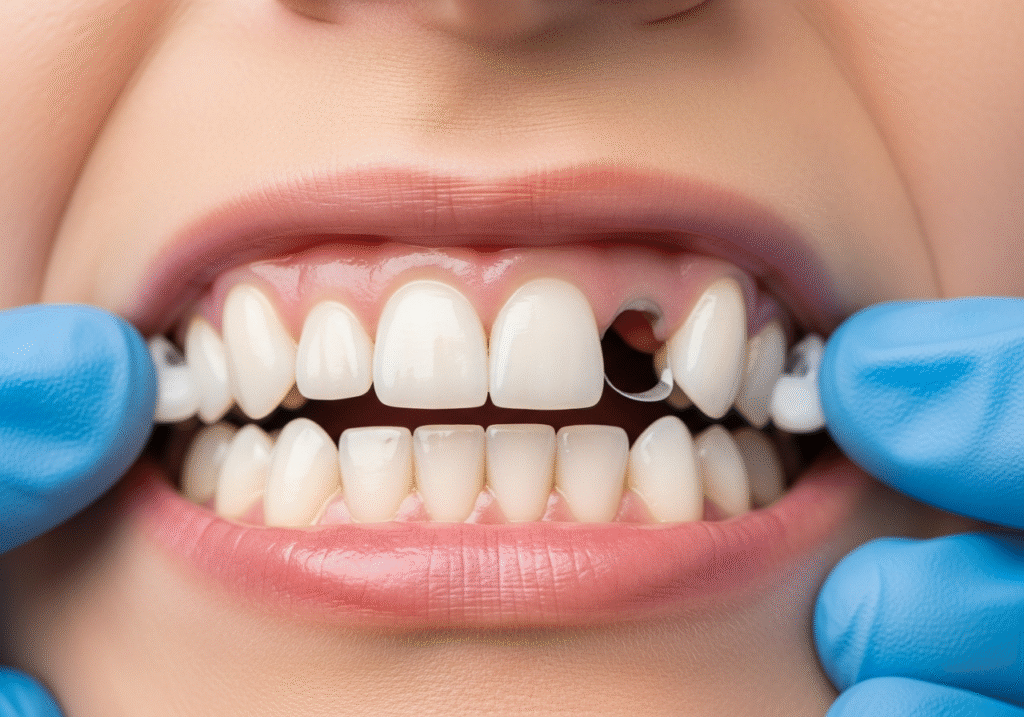
Wisdom tooth extraction is a common dental procedure that can cause anxiety for many patients. Understanding how long is the recovery from wisdom tooth removal helps you prepare for rest, pain management, and daily activities. Recovery time varies depending on factors like the type of extraction, age, and overall oral health. Proper post-operative care is essential to avoid complications such as dry socket, infection, and prolonged pain. Most patients experience swelling, tenderness, and mild bleeding during the first few days. Following dentist instructions, maintaining a soft-food diet, and practicing good oral hygiene can ensure a smoother and faster healing process, helping you return to normal life comfortably.
Wisdom tooth removal is one of the most common dental procedures. Many people feel anxious about the pain, swelling, and recovery period. Understanding how long the recovery from wisdom tooth removal takes can help you plan your rest, diet, and daily activities. Recovery depends on multiple factors, including the type of extraction, whether it was simple or surgical, the number of teeth removed, age, and overall oral health. Following proper post-operative care instructions can prevent complications such as dry socket, infection, or prolonged pain, ensuring a faster and safer recovery.
Immediately after extraction, a blood clot forms at the site to protect the bone and nerve endings. Swelling, mild bleeding, and tenderness are normal during the first 24 hours. Resting, applying ice packs, and taking prescribed or over-the-counter pain medications can alleviate discomfort. Avoiding straws, smoking, and vigorous rinsing is crucial to prevent the clot from dislodging. Recovery timelines vary, with simple extractions healing in about a week, while impacted or surgical extractions may take several weeks for soft tissue and months for complete bone healing.
Understanding Wisdom Tooth Removal
Wisdom teeth, also known as third molars, generally emerge in late teens or early twenties. Sometimes these teeth grow at an angle, remain partially impacted, or crowd adjacent teeth, necessitating extraction. Surgical extractions involve incisions, bone removal, or sutures, while simple extractions are less invasive and tend to heal faster. Understanding the type of procedure performed helps anticipate the recovery timeline and potential challenges.
The healing process begins with the formation of a blood clot that protects the exposed bone and nerves. Maintaining the clot is essential to avoid complications such as dry socket, which can cause severe pain and delay recovery. Swelling, mild bleeding, and tenderness are expected during the early stages. Following dentist instructions regarding diet, oral hygiene, and rest ensures smooth healing and reduces the risk of infection or prolonged discomfort.
Stages of Recovery
Recovery occurs in several stages, each with distinct characteristics and care requirements.
The first 24 hours are critical. Swelling, mild bleeding, and discomfort are common. Rest is essential, and keeping the head elevated reduces swelling. Cold compresses applied externally help manage discomfort. Pain can be controlled with over-the-counter medications or those prescribed by the dentist. During this stage, patients should avoid using straws, smoking, or spitting forcefully, as these actions can dislodge the clot and cause dry socket.
During days two to three, swelling typically peaks, and bruising may appear around the face or jaw. Pain may still be present but gradually decreases. Soft foods and rest remain important. Warm compresses can be used if swelling persists after the first 48 hours. At this stage, the body sends white blood cells to the extraction site to fight bacteria and promote tissue repair.
From days four to seven, granulation tissue forms in the socket, covering the bone and starting to repair the soft tissue. Pain and swelling usually decrease significantly. Gentle saltwater rinses can be introduced after 24 hours to keep the area clean but should not be vigorous. Patients can gradually increase daily activities but should continue avoiding strenuous exercise.
By weeks two to three, soft tissue typically heals completely. Patients can resume normal oral hygiene routines with caution around the extraction site. Some tenderness may remain, especially when chewing, but most people are able to return to normal routines. Bone regeneration, however, is slower and can continue for 3–6 months depending on the extraction type and complexity.
Factors Affecting Recovery
Several factors influence the duration and quality of recovery from wisdom tooth removal.
Type of Extraction: Surgical extractions are more invasive and require longer healing than simple extractions. Impacted teeth often involve incisions and bone removal, which extend recovery time.
Number of Teeth Removed: Multiple extractions result in longer recovery periods compared to a single tooth removal.
Age: Younger patients generally heal faster due to better tissue regeneration, while older adults may experience slower recovery.
Overall Health: Conditions such as diabetes, autoimmune disorders, or compromised immunity can prolong recovery.
Post-Operative Care: Patients who follow all instructions—including avoiding smoking, straws, and alcohol, maintaining proper diet, and practicing good oral hygiene—typically experience faster healing and fewer complications.
Pain Management and Comfort Tips
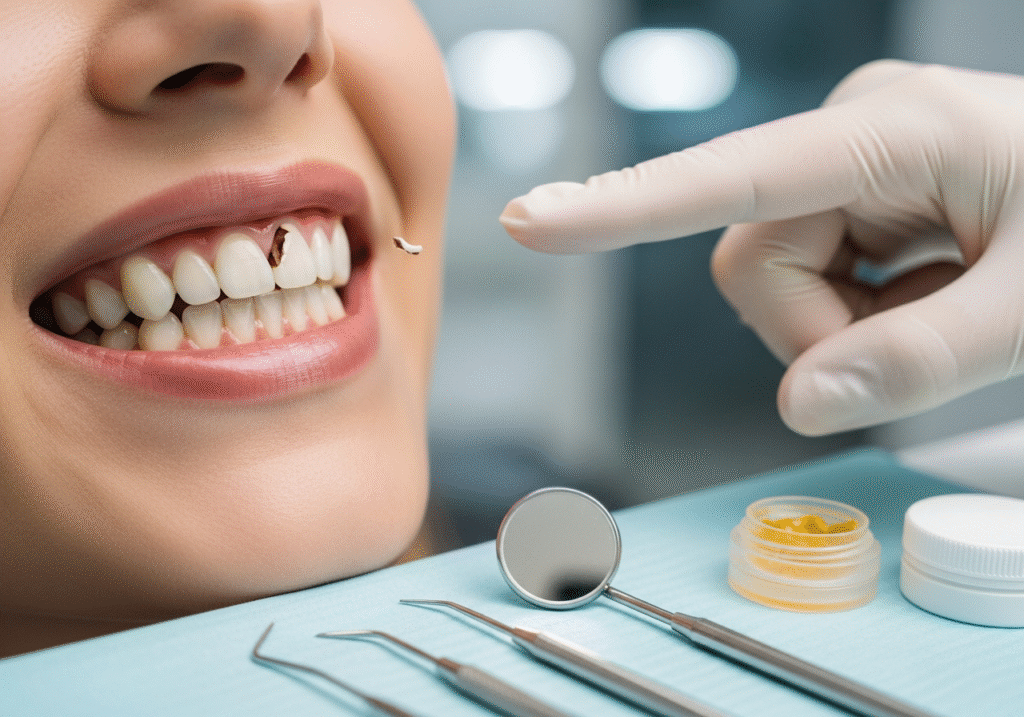
Pain is a natural part of recovery. The first 48–72 hours usually involve the highest discomfort levels. Over-the-counter medications such as ibuprofen or acetaminophen can reduce pain and inflammation. Dentists may prescribe stronger medications for surgical extractions.
Cold compresses applied externally during the first 24–48 hours help reduce swelling. Once initial swelling decreases, warm compresses can improve circulation and comfort. Elevating the head while sleeping decreases bleeding and swelling. Adequate rest, hydration, and a soft-food diet support natural tissue repair. Monitoring pain and discomfort is essential to identify complications early.
Diet Recommendations During Recovery
Soft foods are crucial during the first week. Ideal options include yogurt, mashed potatoes, smoothies, soups, oatmeal, and scrambled eggs. Cold foods and beverages can soothe the area, while hot, spicy, or crunchy foods may irritate the site.
In the second week, slightly firmer foods can be introduced gradually. Maintaining proper hydration aids tissue repair and overall recovery. Avoiding alcohol, carbonated drinks, and smoking protects the blood clot and reduces the risk of complications. A balanced diet rich in protein, vitamins, and minerals supports faster healing and minimizes inflammation.
Lifestyle Adjustments for Faster Recovery
Lifestyle plays a crucial role in how quickly and comfortably you recover from wisdom tooth removal. Rest is essential, especially during the first 48 hours. Physical activity should be limited because exertion increases blood pressure, which can lead to more bleeding and swelling. Sleeping with the head elevated on extra pillows helps reduce pressure on the extraction sites and minimizes swelling.
Stress can also negatively affect recovery, as high stress levels may suppress the immune system and slow down tissue repair. Practicing relaxation techniques such as deep breathing exercises, meditation, or gentle walking can improve blood circulation and promote healing. Patients should also avoid habits like smoking, consuming alcohol, or using straws, because these actions can dislodge the blood clot protecting the extraction site, leading to dry socket and delayed healing. Gentle brushing and rinsing with saltwater help maintain oral hygiene without disturbing the healing tissue.
Preventing Complications
Complications are rare but can occur if post-operative care is not followed correctly. One of the most common issues is dry socket, which happens when the blood clot protecting the exposed bone is dislodged. Dry socket results in severe pain that radiates to the ear and jaw and can delay recovery. To prevent this, patients should avoid straws, smoking, and forceful spitting during the first week.
Infections are another potential complication. Signs include persistent swelling, pus, fever, or severe pain that doesn’t improve with medication. Good oral hygiene, saltwater rinses, and adherence to dentist instructions reduce the risk of infection. Bleeding that persists beyond 24 hours or increases after initially stopping may indicate a problem, requiring immediate dental attention. Early recognition and treatment of complications are crucial to maintaining a smooth recovery timeline and preventing long-term issues.
Patient Experiences and Case Studies
Recovery experiences vary widely among patients, depending on the complexity of the extraction and individual health conditions. Simple extractions usually involve mild swelling and discomfort for 3–5 days, and most patients can return to normal activities within a week. Surgical extractions, especially impacted wisdom teeth, may involve more significant swelling, bruising, and limited jaw movement for 7–14 days.
Patients who closely follow post-operative instructions—avoiding straws, alcohol, and smoking, maintaining a soft-food diet, and using prescribed medications—typically heal faster and experience fewer complications. Some patients report that using ice packs in the first 48 hours, followed by warm compresses, significantly reduced pain and swelling. Sharing patient experiences provides reassurance for first-time patients and practical tips for coping with the recovery process. Case studies also show that younger patients tend to recover faster, while older adults may need more time for complete soft tissue and bone healing.
Extended FAQs (1–2 Line Answers)
How long is the initial recovery from wisdom tooth removal?
Initial healing usually takes 7–10 days, while full bone regeneration can take 3–6 months.
When can I return to work or school?
For simple extractions, most patients resume normal activities in 2–3 days; for surgical extractions, 5–7 days is typical.
Is swelling normal?
Yes, swelling peaks around day two or three and gradually diminishes over the following week.
Can I exercise after extraction?
Strenuous activity should be avoided for 3–5 days to prevent bleeding and swelling.
How can I prevent dry socket?
Avoid straws, smoking, and forceful spitting; follow all dentist instructions.
When can I eat normally?
Soft foods should be consumed in the first week; firmer foods can be introduced gradually.
How long does pain last?
Pain is most intense in the first 48–72 hours and decreases steadily with proper care.
When should I see a dentist for complications?
Persistent pain, prolonged bleeding, swelling, or signs of infection require immediate consultation.
Can I brush near the extraction site?
Yes, gentle brushing around the area can begin after 24 hours, avoiding direct contact with the extraction site.
Are bruises normal?
Yes, facial or jaw bruising may appear due to tissue trauma and usually resolves within one to two weeks.
Conclusion
Recovery after wisdom tooth removal is a gradual process involving blood clot formation, soft tissue healing, and bone regeneration. Simple extractions typically heal within one to two weeks, whereas surgical or impacted extractions may take longer. Following post-operative care instructions, maintaining a soft-food diet, managing pain effectively, and adjusting lifestyle habits are essential for smooth recovery. Regular follow-ups with the dentist help monitor healing and prevent complications. Understanding the expected recovery timeline and practicing good oral hygiene reduces anxiety, ensures faster healing, and promotes long-term oral health. Patients who follow all instructions experience minimal discomfort, faster recovery, and better overall outcomes.
Diet Plan During Recovery
Eating the right foods is crucial for recovery. The first 24 hours should focus on cold, soft foods that do not require chewing, such as yogurt, smoothies, and applesauce. Cold foods help reduce swelling and soothe the extraction site. Patients should avoid hot, spicy, or hard foods as they can irritate the wound and dislodge the blood clot, leading to dry socket.
During days two to four, soft foods like mashed potatoes, oatmeal, scrambled eggs, and soups are ideal. Warm—not hot—foods can be introduced carefully. Adequate hydration is essential, but straws should be avoided to protect the clot. Gradually, from day five onward, firmer foods such as pasta, cooked vegetables, and soft bread can be added. By the second week, most patients can start reintroducing normal foods, avoiding only very crunchy or chewy items until the extraction site is fully healed.
A table outlining a sample week-by-week diet plan:
Week 1: Cold and soft foods (yogurt, smoothies, applesauce, soups)
Week 2: Soft, slightly warm foods (mashed potatoes, oatmeal, scrambled eggs)
Week 3: Gradual introduction of firmer foods (pasta, soft vegetables, soft bread)
Week 4+: Return to normal diet, avoiding extremely hard or crunchy foods for comfort
Daily Recovery Schedule
Having a structured daily routine supports faster healing. On the first day, rest is paramount. Patients should remain calm, avoid exertion, and sleep with their head elevated. Ice packs applied for 15–20 minutes at a time help reduce swelling. Pain management with over-the-counter or prescribed medications should be followed according to dentist instructions.
Days two to three involve monitoring swelling and continuing gentle oral care. Saltwater rinses can begin after 24 hours, but care should be taken to avoid vigorous rinsing. Light activities can be introduced, but heavy exercise should still be avoided. Nutrition should focus on soft foods and hydration.
By days four to seven, patients often feel more comfortable moving around and can reintroduce slightly firmer foods. Gentle brushing near the extraction site and continued saltwater rinses promote healing and prevent infection. Sleep quality, stress reduction, and proper hydration remain important throughout the recovery period.
Weeks two to three involve the resumption of normal activities while remaining cautious with chewing and oral hygiene practices. The blood clot will have fully stabilized, soft tissue is usually healed, and bone regeneration continues beneath the surface. By following a daily schedule and monitoring progress, patients can avoid complications and ensure smooth healing.
Pain Management Techniques
Pain is most intense in the first 48–72 hours. Over-the-counter medications such as ibuprofen or acetaminophen are commonly recommended. For surgical or impacted extractions, dentists may prescribe stronger pain medications, which should be taken exactly as directed.
Cold compresses applied externally during the first 24–48 hours help reduce swelling and numb discomfort. After 48 hours, warm compresses can be applied to improve blood circulation and relieve soreness. Elevating the head while sleeping reduces pressure on the extraction site. Gentle stretching of the jaw may be introduced if recommended by the dentist to prevent stiffness, especially after surgical extractions.
In addition to medications and compresses, patients can focus on natural pain relief methods such as drinking cold fluids, avoiding hard chewing, and practicing relaxation techniques. Staying hydrated and following a soft-food diet also contributes to comfort and faster healing.
Long-Term Healing and Bone Regeneration
While soft tissue heals within one to two weeks, bone regeneration takes much longer. After surgical extractions, it may take three to six months for the jawbone to fully heal and remodel. This process is essential for maintaining jaw strength and supporting surrounding teeth.
Maintaining good oral hygiene, regular dental check-ups, and a nutrient-rich diet are key to successful bone healing. Foods rich in calcium, protein, and vitamin C support tissue regeneration and bone repair. Avoiding smoking and alcohol also prevents complications that could delay long-term healing. Patients should continue to monitor the extraction site for any signs of infection, swelling, or discomfort during this period.
Extended Patient Experiences
Real-life experiences provide insight into recovery timelines. One patient reported mild swelling and discomfort for four days after a simple extraction and returned to school by day three. Another patient with impacted wisdom teeth experienced significant swelling, bruising, and restricted jaw movement for 10 days, but strict adherence to post-operative instructions helped avoid complications.
Patients emphasize the importance of ice packs during the first 48 hours, warm compresses afterward, a soft-food diet, and avoiding straws and smoking. Many patients also mention the importance of emotional preparedness; anxiety and stress can increase perceived pain and prolong recovery. Learning from the experiences of others can help first-time patients feel more confident and follow post-operative care effectively.
Tips for Faster Recovery
- Follow all dentist instructions carefully, including medication schedules and hygiene routines.
- Avoid smoking, alcohol, and straws for at least the first week.
- Rest adequately, especially during the first 48 hours.
- Maintain a soft-food diet and gradually reintroduce firmer foods.
- Use cold compresses in the first two days and warm compresses afterward.
- Stay hydrated and consume nutrient-rich foods to support healing.
- Practice gentle oral hygiene and saltwater rinses to prevent infection.
- Manage stress through relaxation techniques such as meditation or light exercise.
Conclusion
Recovery from wisdom tooth removal is a gradual process that includes soft tissue healing, blood clot formation, and bone regeneration. Simple extractions generally heal within one to two weeks, whereas surgical or impacted extractions may take longer. Following post-operative care, adhering to a structured diet, managing pain effectively, and making lifestyle adjustments are essential to smooth recovery. Regular dental check-ups ensure proper healing and help prevent complications such as dry socket or infections. Understanding the recovery process, monitoring progress, and following the dentist’s guidance results in faster healing, minimal discomfort, and improved long-term oral health.
Week-by-Week Recovery Timeline
Week 1: The first week is the most critical for recovery. Patients typically experience swelling, mild bleeding, and tenderness. Pain peaks during the first 48–72 hours but gradually decreases. Cold compresses should be used intermittently for the first two days, and warm compresses can follow. A soft-food diet is recommended, and physical activity should be limited. Rest and head elevation during sleep reduce swelling and promote healing. Gentle saltwater rinses can begin after 24 hours.
Week 2: Swelling and bruising usually subside, and patients can reintroduce slightly firmer foods. Soft tissue continues to heal, and pain diminishes significantly. Normal oral hygiene practices can resume, but care should be taken around the extraction site. Light exercise is usually acceptable, but strenuous activity should still be avoided. By the end of week two, most patients can return to regular routines, though tenderness may remain when chewing.
Weeks 3–4: Soft tissue generally heals completely. Patients can eat normally, though very hard or crunchy foods should still be avoided until full comfort is regained. Bone regeneration continues beneath the surface, which may take months to complete. Patients should maintain good oral hygiene and monitor for any signs of infection or discomfort.
Months 2–6: Bone remodeling and healing continue gradually. Any residual numbness or stiffness usually resolves during this period. Follow-up visits with the dentist ensure proper recovery and early detection of complications. Maintaining oral health and avoiding smoking or alcohol supports long-term recovery.
Common Myths and Misconceptions
There are many misconceptions about wisdom tooth recovery. One common myth is that swelling should disappear within one day. In reality, swelling often peaks 48–72 hours after surgery and may persist for several days. Another misconception is that all pain is abnormal. Mild pain and tenderness are expected, especially in surgical extractions.
Some patients believe that using a straw or rinsing aggressively immediately after surgery is safe. This is incorrect, as these actions can dislodge the blood clot, leading to dry socket. Others think that soft foods alone are enough for healing. While a soft-food diet is essential, hydration, rest, and proper oral hygiene are equally important. Understanding these myths helps patients follow post-operative care correctly and prevents complications.
Additional Patient Testimonials
Many patients have shared their recovery experiences to provide guidance and reassurance. One patient described mild swelling and soreness for five days after a simple extraction and returned to school on day three. Another patient with impacted wisdom teeth reported significant bruising and difficulty opening the mouth for ten days but experienced full recovery by week three.
Patients emphasize the importance of rest, ice packs, and following dentist instructions. Those who avoided smoking, alcohol, and straws reported fewer complications and faster recovery. Sharing these experiences provides practical tips and reassurance for first-time patients, helping them feel more confident and prepared for their own recovery.
Preventing Complications in Depth

Preventing complications requires diligence. Dry socket occurs when the blood clot protecting the bone is dislodged. To avoid this, patients must not use straws, smoke, or spit forcefully during the first week. Maintaining the clot is critical for protecting nerves and bone during healing.
Infections can occur if bacteria enter the socket. Regular saltwater rinses, proper oral hygiene, and adherence to dentist instructions reduce the risk. Persistent bleeding or swelling beyond the expected timeframe may indicate infection or other complications and should be addressed promptly. Patients should watch for fever, pus, or severe pain, which are warning signs.
Other complications, such as nerve injury or prolonged jaw stiffness, are rare but may occur in complex surgical extractions. Early intervention and proper care mitigate these risks. Follow-up visits with the dentist allow monitoring of bone healing, soft tissue regeneration, and early detection of any abnormal symptoms.
Tips for Long-Term Oral Health After Extraction
- Brush gently around the extraction site for the first few weeks and resume normal brushing gradually.
- Use mouthwash recommended by your dentist to prevent bacterial buildup.
- Maintain a balanced diet rich in calcium, protein, and vitamin C to support bone regeneration.
- Avoid smoking and alcohol for several weeks to prevent delayed healing.
- Continue regular dental check-ups to ensure the extraction site has healed completely and to monitor overall oral health.
Conclusion
Wisdom tooth recovery is a step-by-step process involving soft tissue healing, blood clot formation, and bone regeneration. While simple extractions heal within one to two weeks, surgical or impacted extractions may require more time. Understanding the recovery timeline, following post-operative care, maintaining a soft-food diet, managing pain effectively, and making lifestyle adjustments all contribute to faster, safer healing. Avoiding complications such as dry socket or infection is possible through careful adherence to instructions. Patient experiences, proper planning, and routine dental visits ensure a smooth recovery, minimal discomfort, and long-term oral health.
By following all guidance, most patients return to normal routines within two weeks, regain full jaw function, and achieve complete healing within several months. Knowledge of recovery stages, potential complications, and preventive measures allows patients to approach wisdom tooth extraction confidently and ensures successful outcomes.