
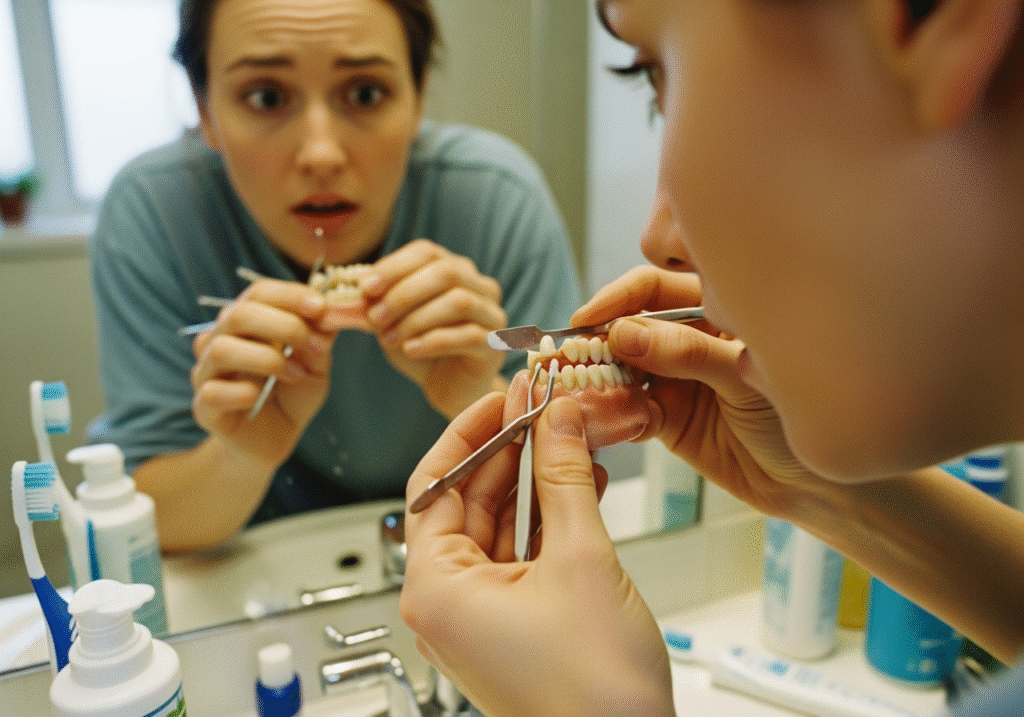
Tooth extraction is a common dental procedure, but many patients worry about healing time and recovery. Understanding oral health, proper care, and the factors affecting healing can make the process easier and less stressful. The question “How Long Does A Tooth Extraction Take To Heal” depends on several aspects, including the type of tooth removed, whether the extraction was surgical or simple, and the patient’s overall health condition. Following dentist instructions, maintaining a soft-food diet, and practicing good post-operative care can significantly speed up recovery. Knowing what to expect helps prevent complications and promotes safe, efficient healing.
Tooth extraction is one of the most common dental procedures performed worldwide, yet it often causes anxiety for patients. People frequently ask how long it will take for their mouth to heal completely after a tooth removal. Healing timelines vary depending on several factors, including the type of extraction, the patient’s age, overall health, oral hygiene, and adherence to post-operative care instructions. Proper care is crucial to prevent complications such as dry socket, infections, prolonged pain, and delayed healing. Understanding the healing stages, what to expect, and how to care for the extraction site can make recovery smoother, faster, and less painful.
Immediately after a tooth is removed, the body starts the natural healing process. A blood clot forms in the empty socket, acting as a protective barrier for the bone and nerve endings while soft tissue begins to regenerate. The first 24 to 48 hours are particularly important because the clot is fragile. Any action that dislodges it, such as using a straw, smoking, or vigorous rinsing, can cause dry socket, a painful condition that significantly delays healing. Patients are advised to rest, avoid disturbing the extraction site, and follow their dentist’s post-operative instructions carefully during this initial period.
Understanding Tooth Extraction
Tooth extractions can be simple or surgical. Simple extractions are performed on teeth that are fully erupted and easily accessible. Dentists use specialized instruments to loosen the tooth and remove it with minimal trauma to the surrounding tissue. Recovery from simple extractions is usually faster, and patients may experience mild swelling or discomfort that subsides within a few days. Surgical extractions, however, are more complex and are required for impacted teeth, broken teeth, or teeth surrounded by bone. These procedures may involve incisions or bone removal, resulting in greater tissue trauma. Recovery from surgical extractions tends to be longer, and patients often experience swelling, tenderness, and restricted jaw movement for several days.
The blood clot that forms immediately after extraction is crucial for healing. It protects the socket, covers the bone and nerves, and serves as a base for new tissue growth. Dislodging this clot can result in complications, which is why following post-operative care instructions is essential for both simple and surgical extractions.
Stages of Healing
Healing after a tooth extraction occurs in distinct stages. During the first 24 hours, the blood clot forms, and minor bleeding and swelling are normal. The second and third days often see peak swelling, as white blood cells migrate to the site to fight bacteria and promote tissue repair. Pain may temporarily increase during this stage, but it is part of the natural healing process. Cold compresses and prescribed medications can help manage discomfort.
By the end of the first week, granulation tissue starts to replace the blood clot, forming the foundation for new gum tissue growth. Swelling and tenderness typically decrease during this period, and patients begin to feel more comfortable. In the second and third weeks, the soft tissue gradually covers the socket completely, although some sensitivity may remain. Bone healing is a longer process and may take several months. The jawbone slowly fills in the socket, strengthening the area and preparing it for future dental procedures if needed.
Factors Affecting Recovery
Several factors influence how quickly a patient recovers after a tooth extraction. The type of extraction plays a significant role; surgical extractions or the removal of impacted wisdom teeth usually take longer to heal than simple extractions. Age is another factor, as older adults tend to experience slower tissue regeneration. General health conditions, such as diabetes or immune disorders, may also prolong healing. Lifestyle habits like smoking and alcohol consumption reduce blood flow and interfere with tissue repair, while poor oral hygiene can increase the risk of infection. Understanding these factors allows patients to take proactive steps to support recovery, such as adhering to oral care routines and following their dentist’s recommendations.
Tips for Faster Healing
Proper post-extraction care significantly improves healing speed and reduces complications. Patients should stick to a soft-food diet during the initial days, including yogurt, mashed vegetables, soups, and smoothies. Gentle brushing is important to maintain oral hygiene without disturbing the clot or healing tissue. After the first 24 hours, rinsing with warm salt water can reduce bacterial growth and promote tissue regeneration. Avoiding smoking, alcohol, and straws is critical to protecting the clot and supporting smooth recovery. Resting, staying hydrated, and following prescribed medications are also essential components of post-extraction care.
Maintaining good oral hygiene while avoiding direct pressure on the extraction site is vital. Patients should be careful when eating, avoid chewing on the side of the extraction, and monitor the area for any signs of infection or unusual bleeding. Proper care not only accelerates healing but also reduces the risk of long-term complications.
Common Complications
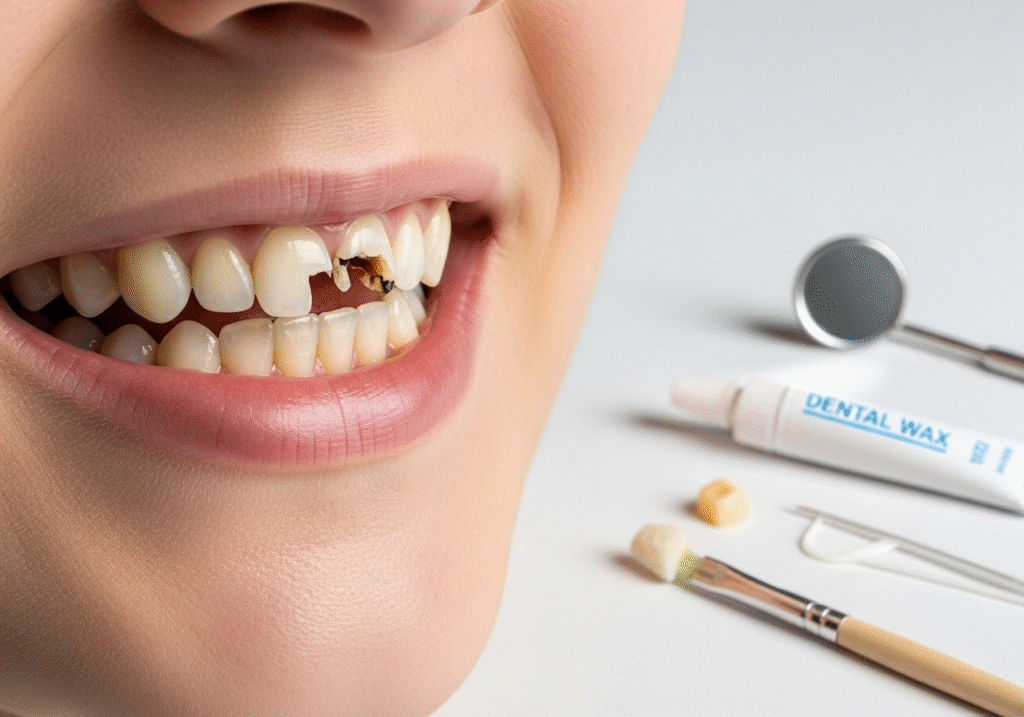
While most tooth extractions heal without issues, some complications can arise. Dry socket is one of the most common problems and occurs when the blood clot is dislodged or dissolves prematurely. This exposes the bone and nerve endings, causing severe pain that can radiate to the ear or jaw. Infection is another potential complication, characterized by swelling, pus, fever, or persistent pain. Prolonged bleeding can also occur if the clot is disturbed or if a patient has a clotting disorder. Awareness of these risks and prompt attention to any unusual symptoms can prevent minor issues from becoming serious complications.
Weekly Healing Timeline After Tooth Extraction
Recovery from a tooth extraction is a step-by-step process, and knowing what to expect each week can help patients manage pain and care for the extraction site more effectively. The timeline varies slightly depending on whether the extraction was simple or surgical, but understanding the general stages can reduce anxiety and prevent complications.
First 24 Hours: This is the most critical period after extraction. The blood clot forms in the socket, protecting the bone and nerves. Mild bleeding, slight oozing, and swelling are normal. Patients should rest, keep the head elevated, and avoid any activity that may dislodge the clot, including using straws, vigorous rinsing, or smoking. Ice packs applied externally can reduce swelling and discomfort. Pain is usually manageable with over-the-counter medications or dentist-prescribed painkillers.
Second and Third Days: Swelling often peaks during this period as the body continues to fight potential infection and initiates tissue repair. Bruising may appear on the face or jaw near the extraction site. Patients should continue to eat soft foods, avoid strenuous activity, and maintain gentle oral hygiene. Saltwater rinses should not begin yet because premature rinsing can disturb the clot.
Days Four to Seven: Swelling and tenderness start to decrease. Granulation tissue begins to form in the socket, creating a foundation for gum tissue growth. Patients can start gentle saltwater rinses after 24 hours, but vigorous swishing should still be avoided. Soft foods remain essential, and any sharp, crunchy, or hard foods should be avoided to prevent trauma to the healing site.
Weeks Two to Three: By this stage, soft tissue begins to fully cover the socket, and discomfort is usually minimal. Some sensitivity may remain, particularly when eating hot or cold foods. Patients can gradually reintroduce normal foods while still avoiding anything that might irritate the site. Brushing should be gentle, focusing on areas away from the extraction.
Weeks Four to Six: Most soft tissue healing is complete by this time. Patients should still monitor the site for any signs of infection or irritation. The bone beneath the socket continues to regenerate slowly, and any tenderness usually resolves by the end of this period.
Months Two to Six: Bone healing is the final stage. The jawbone slowly fills in the socket, strengthening the area for long-term oral function. Full bone regeneration can take up to six months, particularly for surgical extractions or cases where bone grafts were performed. Patients should maintain regular dental check-ups to monitor bone healing and ensure overall oral health.
In-Depth Post-Extraction Care Tips
Following proper care routines is essential for preventing complications and speeding up recovery. Patients should begin by following the dentist’s instructions precisely. Rest is critical in the first 24–48 hours, as excessive movement or physical exertion can disrupt the clot and slow healing.
Oral hygiene should be gentle but consistent. Brushing should avoid the extraction site for the first few days, and flossing should not disturb the socket. Saltwater rinses can be introduced after 24 hours to reduce bacteria and promote tissue healing. Using lukewarm water ensures comfort, while avoiding harsh or aggressive rinses prevents clot displacement.
Diet plays a pivotal role. Soft foods such as yogurt, oatmeal, mashed potatoes, soups, and smoothies are ideal. Patients should avoid hot, spicy, or hard foods that could irritate the site or dislodge the clot. Drinking plenty of water aids in hydration and tissue repair. Smoking, alcohol, and carbonated beverages should be avoided as they can interfere with blood clot formation and healing.
Pain Management and Comfort Strategies
Pain is common after a tooth extraction, particularly within the first few days. Dentists often recommend over-the-counter pain relievers or, in some cases, prescription medications. Cold compresses applied externally can reduce swelling and provide temporary relief. Patients should avoid placing ice directly on the extraction site inside the mouth, as this may cause tissue damage.
Discomfort from swelling and tissue repair typically peaks on the second or third day and then gradually declines. Patients are encouraged to rest and avoid strenuous activity during this period. Sleep positions are also important; keeping the head elevated helps reduce swelling and prevents additional bleeding.
Preventing Complications
Complications such as dry socket, infection, or prolonged bleeding are preventable with careful post-extraction care. Dry socket occurs when the blood clot is dislodged or dissolves prematurely, exposing the bone and nerves, resulting in severe pain. Avoiding straws, smoking, and vigorous rinsing is critical to protect the clot.
Infections can develop if bacteria enter the socket. Maintaining gentle oral hygiene and following saltwater rinse routines reduces this risk. Persistent swelling, pus, or fever should prompt immediate consultation with a dentist. Prolonged bleeding, although rare, may indicate clotting issues or disruption of the socket, requiring professional attention.
Patient Stories and Experiences
Individual recovery experiences vary widely. For simple extractions, most patients report mild swelling and discomfort lasting three to five days. Surgical extractions, especially wisdom teeth removal, often result in more significant swelling, bruising, and limited jaw movement for up to a week. Patients who strictly follow dentist instructions, avoid smoking, and maintain a soft-food diet tend to heal faster with fewer complications.
Some patients report that pain can radiate to the jaw, ear, or temple in cases of dry socket, highlighting the importance of protecting the clot during early healing stages. Sharing patient experiences in dental forums or with friends who have undergone extractions can provide helpful insights and reassurance for first-time patients.
Long-Term Oral Care After Tooth Extraction
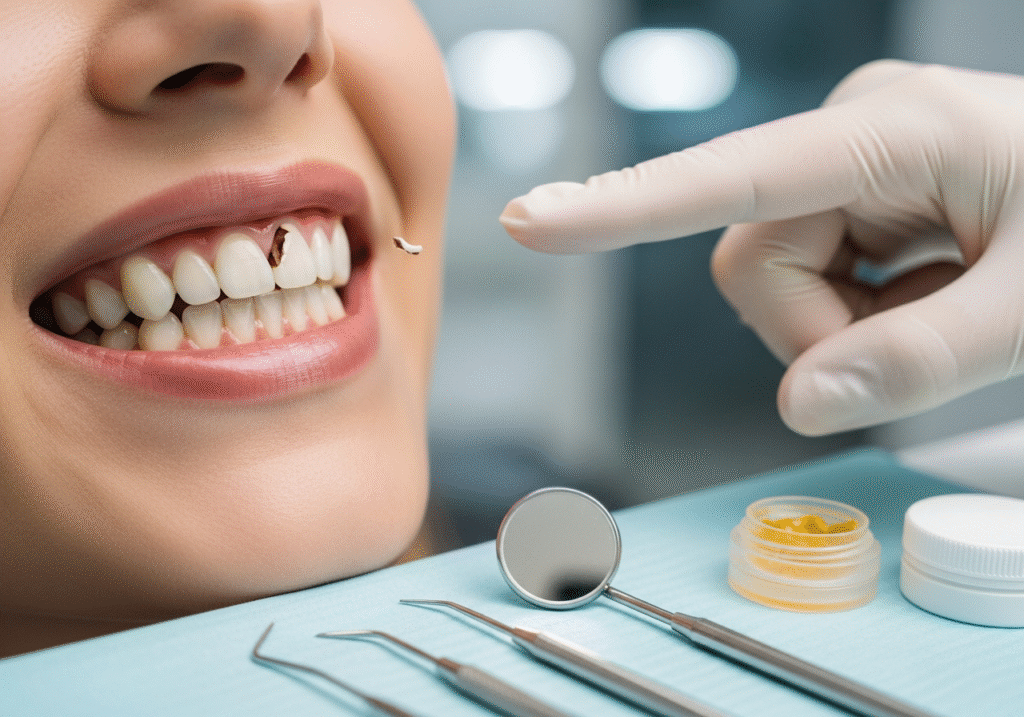
Healing does not end when the initial swelling and pain subside. Maintaining long-term oral care is essential to ensure the extraction site fully recovers and the surrounding teeth remain healthy. Patients should continue gentle brushing twice daily, focusing on areas away from the extraction site until it is completely healed. Flossing should be resumed carefully to avoid disturbing the soft tissue in the early weeks.
Regular dental check-ups are crucial. Dentists can monitor the socket for proper bone regeneration, check for signs of infection, and provide guidance for future procedures, such as dental implants or bridges, if needed. Using antiseptic mouth rinses may also be recommended in some cases to reduce bacterial growth, particularly for patients prone to gum disease or with compromised immunity.
Diet Recommendations for Optimal Healing
Nutrition plays a pivotal role in recovery after tooth extraction. During the first week, a soft-food diet is essential to prevent trauma to the extraction site. Foods such as yogurt, oatmeal, mashed potatoes, soups, scrambled eggs, and smoothies provide essential nutrients without putting stress on the healing socket. Cold foods and liquids can help soothe the area, while hot foods should be avoided initially to prevent irritation.
After the first week, patients can gradually reintroduce firmer foods while avoiding hard, crunchy, or sticky items that may disrupt healing. Staying hydrated is vital, as water supports tissue regeneration and overall recovery. Avoiding alcohol, carbonated drinks, and smoking during the first two weeks is particularly important, as these substances can delay clot formation and tissue repair.
Lifestyle Adjustments During Recovery
Lifestyle choices directly affect the healing process. Patients should get adequate rest, as the body repairs tissue more efficiently during sleep. Elevating the head while sleeping can reduce swelling and prevent additional bleeding. Physical activity should be limited in the first few days, as increased heart rate and blood pressure can exacerbate bleeding or swelling.
Stress management is also important. Stress can affect immune function and delay healing, so engaging in relaxation techniques such as deep breathing, meditation, or light walks can support recovery. Additionally, patients should avoid using straws or spitting forcefully, as these actions can dislodge the clot and cause dry socket, leading to pain and longer recovery times.
Understanding Potential Complications
Even with proper care, complications can arise. Dry socket is one of the most common post-extraction issues. It occurs when the blood clot protecting the socket is dislodged, exposing the bone and nerves. The result is severe pain, often radiating to the ear or jaw, sometimes accompanied by a bad taste or odor in the mouth.
Infections, although less common, can cause swelling, redness, pus, and fever. Persistent bleeding beyond the first 24 hours is also a concern, particularly for patients with clotting disorders. Recognizing early signs of complications is essential for timely intervention. Contacting a dentist promptly can prevent minor problems from escalating and ensure the extraction site heals properly.
Extended FAQ Section
How long does it take for the gum tissue to heal?
Gum tissue usually heals within two to three weeks. However, complete bone healing can take several months, depending on the complexity of the extraction and patient factors.
When can I brush near the extraction site?
Gentle brushing around the area can resume after 24 hours. Patients should avoid direct contact with the extraction site to prevent dislodging the blood clot.
Is swelling normal after extraction?
Yes, mild to moderate swelling is normal during the first 48–72 hours. Cold compresses can help reduce swelling and provide comfort.
When can I resume normal eating?
Soft foods are recommended for the first week. Gradually, firmer foods can be reintroduced while avoiding anything that could irritate or damage the extraction site.
Can I exercise after extraction?
Strenuous activity should be avoided for at least two to three days. Light activity is fine once swelling decreases and the site begins healing.
What should I do if I get dry socket?
Contact your dentist immediately. Treatment may involve cleaning the socket, placing medicated dressing, and prescribing pain relief to promote healing.
How can I prevent infection?
Maintain gentle oral hygiene, use saltwater rinses after 24 hours, and follow your dentist’s care instructions. Avoid smoking and alcohol to reduce infection risk.
How long before the bone fully heals?
Bone regeneration typically takes three to six months, depending on the extraction type, age, and overall health of the patient.
Patient Experiences and Real-Life Tips
Patients often notice that each extraction heals differently. Simple extractions usually result in minimal discomfort, allowing normal activities within a few days. Surgical extractions, especially impacted wisdom teeth removal, may require a longer period of rest and soft-food diet.
Many patients report that adhering strictly to post-operative instructions—avoiding straws, not smoking, and maintaining a soft-food diet—makes a noticeable difference in healing time. Sharing personal experiences, such as how swelling peaked on the second day but gradually improved, can reassure others and provide practical tips for managing pain and diet.
Some patients use cold compresses in the first 24–48 hours, followed by warm compresses after swelling subsides. Others find saltwater rinses highly effective for keeping the site clean and promoting tissue regeneration. These real-life strategies, combined with professional guidance, support a faster and safer recovery.
Long-Term Care and Dental Follow-Ups
Even after the initial healing period, long-term care is essential to ensure complete recovery. Patients should maintain regular dental check-ups to monitor the extraction site and surrounding teeth. Dentists may take X-rays to ensure the bone has regenerated properly and that no hidden complications exist. For patients considering future dental procedures such as implants, bridges, or partial dentures, proper bone healing is critical for successful outcomes.
Oral hygiene remains a priority. Using a soft-bristled toothbrush and gentle brushing techniques helps prevent plaque buildup around the extraction site. Interdental brushes or floss can be reintroduced gradually once the site has sufficiently healed. Antibacterial mouth rinses may also be recommended for patients prone to gum disease or infections. Long-term care not only promotes proper healing but also helps maintain overall oral health, reducing the risk of future complications.
Advanced Recovery Tips
Advanced recovery strategies can make healing faster and more comfortable. Maintaining proper hydration is essential, as water supports tissue repair and prevents dry mouth, which can increase bacterial growth. Patients should avoid overly hot foods or beverages during the first week to prevent irritation.
Incorporating nutrient-rich foods that support healing, such as leafy greens, eggs, yogurt, and soft proteins, can help the body repair tissues more efficiently. Omega-3 fatty acids, found in fish and flax seeds, may also reduce inflammation and swelling.
Patients should monitor the extraction site daily for signs of infection, prolonged bleeding, or unusual swelling. If symptoms persist, contacting a dentist promptly ensures timely intervention and prevents complications. Maintaining a calm and relaxed lifestyle, including stress management techniques such as meditation, light exercise, or deep breathing, can further support healing.
Extended Diet Plan for Recovery

A structured diet plan can support healing after a tooth extraction. During the first 24–48 hours, cold and soft foods like yogurt, smoothies, mashed potatoes, and applesauce are ideal. These foods prevent trauma to the blood clot while providing essential nutrients.
From days three to seven, slightly warmer soft foods, such as oatmeal, scrambled eggs, soups, and soft pasta, can be introduced. Avoiding spicy, hot, or hard foods remains critical.
After the first week, patients can gradually reintroduce firmer foods, but care should still be taken to avoid chewing directly on the extraction site. Hydration should remain a priority throughout recovery, as water and non-carbonated drinks help keep tissues moist and aid in nutrient transport.
Additional Frequently Asked Questions
Can I smoke after a tooth extraction?
Smoking should be avoided for at least two weeks. It can dislodge the clot, delay healing, and increase the risk of dry socket.
When can I return to work?
Most patients can return to work within 24–48 hours for simple extractions. Surgical extractions may require 3–5 days of rest depending on swelling and discomfort.
Are bruises normal after extraction?
Yes, bruising can appear around the jaw or face due to trauma during extraction. It usually resolves within a week or two.
Can I use mouthwash after extraction?
Antibacterial mouthwash should be avoided for the first 24 hours. Gentle saltwater rinses can be introduced after 24 hours to reduce bacteria.
When can I resume exercise?
Light activity can resume after 2–3 days. Strenuous exercise should be avoided until swelling and bleeding have fully subsided.
How can I prevent dry socket?
Avoid straws, smoking, spitting forcefully, and touching the extraction site. Follow all dentist instructions carefully.
When should I seek emergency care?
Persistent severe pain, prolonged bleeding, pus discharge, or fever should prompt immediate consultation with a dentist.
How long before I can get a dental implant?
Bone typically requires 3–6 months to fully heal before a dental implant can be placed. Your dentist will evaluate the site before proceeding.
Patient Experiences and Case Studies
Many patients share similar recovery experiences. Simple extractions generally result in minimal swelling and discomfort, with most returning to normal routines within a week. Surgical extractions, particularly of impacted wisdom teeth, often involve longer healing periods, with swelling peaking on the second day and gradually improving over a week.
Case studies reveal that patients who adhere strictly to post-operative care, including avoiding straws, alcohol, smoking, and maintaining a soft-food diet, report faster recovery and fewer complications. In contrast, patients who neglect care may experience dry socket, infection, or prolonged pain. Sharing these experiences can guide new patients and provide practical tips for managing discomfort and healing efficiently.
Conclusion
Healing after a tooth extraction is a gradual, multi-stage process. The initial formation of a blood clot, followed by soft tissue regeneration and eventual bone repair, is critical to achieving complete recovery. Simple extractions often heal in one to two weeks, while surgical procedures may take several weeks for soft tissue healing and up to six months for bone regeneration.
Patients can ensure optimal healing by following dentist instructions, maintaining oral hygiene, consuming a soft and nutrient-rich diet, avoiding harmful habits, and attending follow-up appointments. Understanding the healing process and being patient throughout recovery significantly reduces the risk of complications and ensures long-term oral health.
A well-managed recovery not only minimizes discomfort but also prepares the mouth for future dental treatments, allowing patients to restore both functionality and aesthetics with confidence. By following these comprehensive guidelines, patients can experience a smooth, comfortable, and successful recovery after tooth extraction.