
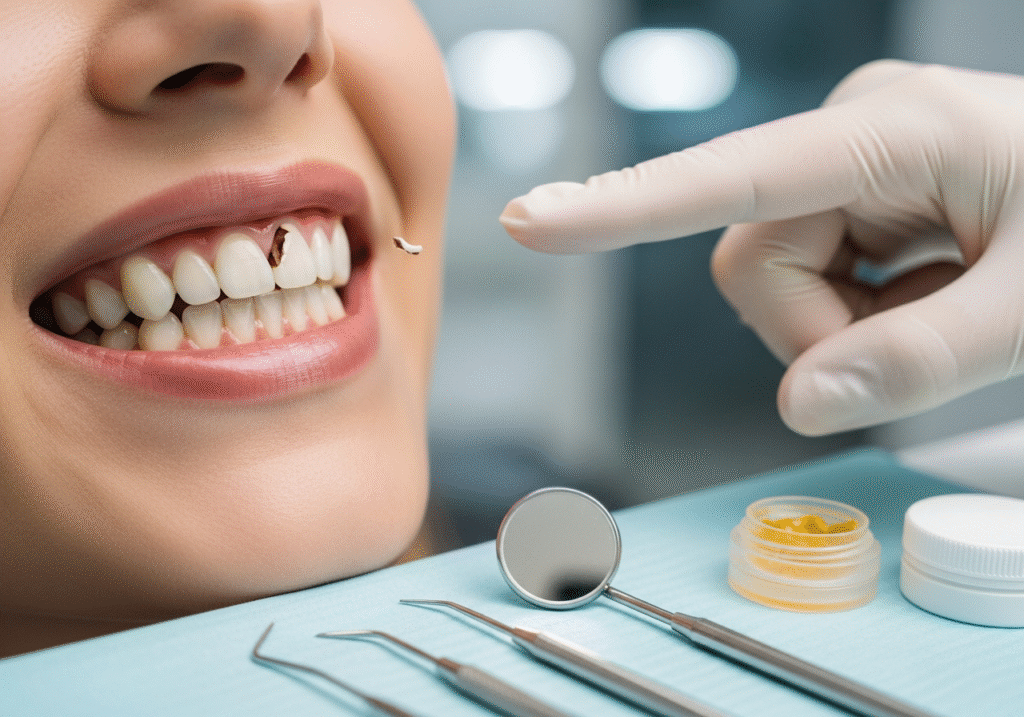
After a tooth extraction, proper care is essential to ensure fast healing and prevent complications. Many patients wonder, “How long after tooth extraction can I use a straw?” because using a straw too soon can disrupt the blood clot that forms in the socket. This clot is crucial for protecting the underlying bone and nerves while soft tissue heals. Drinking through a straw too early may lead to dry socket, a painful condition that delays recovery. Understanding the healing process, knowing the safe timeline, and following dentist recommendations are vital. With the right precautions, you can protect your extraction site and promote proper oral health.
Tooth extraction is one of the most common dental procedures, yet it is often surrounded by questions and myths. One question patients frequently ask is “How long after tooth extraction can I use a straw?” Many people are unaware that drinking through a straw too early can disrupt the natural healing process, potentially causing serious complications such as dry socket. Understanding when it is safe to resume using straws, why straws pose risks, and how to care for your mouth post-extraction is essential for a smooth recovery. In this guide, we will explore every aspect of straw use after tooth extraction, the healing timeline, risk factors, and practical tips for safe recovery.
When a tooth is removed, the body forms a blood clot in the empty socket. This clot serves as a protective barrier, shielding the exposed bone and nerves while tissue begins to regenerate. Using a straw too soon creates suction, which can dislodge the clot and expose the bone. This leads to dry socket, a painful condition that can delay healing and increase infection risk. Understanding the anatomy of the extraction site, the role of the blood clot, and the timeline for healing is essential for making safe decisions about post-extraction habits.
Understanding Tooth Extraction
Tooth extraction is the process of removing a tooth from its socket in the jawbone. This procedure can be necessary due to decay, infection, crowding, trauma, or periodontal disease. There are generally two types of extractions: simple extraction and surgical extraction. Simple extractions are performed on teeth that are visible and accessible in the mouth, using dental tools to loosen and remove the tooth. Surgical extractions are more complex and may involve cutting the gum or removing bone, typically performed for impacted teeth or teeth that have broken off at the gumline.
During tooth extraction, the dentist or oral surgeon ensures minimal trauma to the surrounding tissues. After the tooth is removed, a blood clot forms naturally in the socket to protect the underlying bone and allow healing. This clot is extremely fragile during the first 24–48 hours. Any disturbance to the clot, including drinking through a straw, vigorous rinsing, or smoking, can disrupt healing and lead to complications. Understanding this process is essential to appreciating why straws can be risky in the early recovery period.
The Healing Process After Tooth Extraction
The healing process after tooth extraction occurs in several stages. In the first 24 hours, your body focuses on forming a stable blood clot in the extraction socket. This clot is crucial because it prevents bleeding, shields the bone, and begins the process of tissue regeneration. During this time, swelling and mild discomfort are normal, and following post-operative instructions is critical.
By day two or three, the clot begins to stabilize further, and the surrounding soft tissue begins to heal. Swelling typically starts to decrease, and pain lessens. During this period, it is particularly important to avoid anything that creates suction in the mouth, such as straws, because the clot is still delicate.
By the end of the first week, granulation tissue forms, filling in the socket and beginning to create new gum tissue. This tissue provides additional protection for the underlying bone. The blood clot gradually integrates with the surrounding tissue, and the socket becomes less vulnerable to disruption. Full soft tissue recovery can take 2–3 weeks, while complete bone healing may take several months. Understanding these stages helps determine when it is safe to reintroduce activities like using straws.
Why Straws Can Be Dangerous After Tooth Extraction
Using a straw too early after a tooth extraction can lead to a condition called dry socket or alveolar osteitis. Dry socket occurs when the blood clot protecting the extraction site is dislodged or dissolves prematurely, exposing the underlying bone and nerves. This exposure can cause intense pain, bad breath, and delayed healing. Dry socket is considered one of the most common complications following tooth extraction, especially after wisdom tooth removal, but it can occur with any tooth extraction.
Suction created while drinking through a straw generates negative pressure in the mouth, which can easily loosen the blood clot. Even if the clot appears stable, the mechanical effect of sucking can dislodge it partially or completely. Once the clot is gone, the bone is exposed to air, food, and bacteria, resulting in severe pain and an increased risk of infection. Understanding the mechanism behind dry socket emphasizes why avoiding straws is critical in the early stages of recovery.
Safe Timeline for Using a Straw
Most dentists recommend avoiding straws for at least 7–10 days after tooth extraction. In cases of more complex surgical extractions, such as impacted wisdom teeth, the recommended waiting period can extend to 14 days. The timeline depends on factors such as the complexity of the extraction, the speed of individual healing, and adherence to post-operative care instructions.
If the extraction was straightforward and healing is progressing well, cautiously introducing a straw after one week may be safe. However, any sign of swelling, pain, or delayed healing indicates that additional caution is necessary. Dentists emphasize following personalized guidance because each patient’s healing process can differ significantly.
Risk Factors That Affect Healing
Several factors can influence how long it is safe to wait before using a straw:
- Type of Extraction: Surgical and impacted tooth extractions have longer recovery times than simple extractions.
- Age and Health: Older patients or those with chronic health conditions, such as diabetes, may heal more slowly.
- Smoking and Alcohol Use: Both can impair healing and increase the risk of dry socket.
- Oral Hygiene: Poor hygiene may cause infections or disrupt the blood clot.
- Medication: Blood thinners or certain medications may affect clotting and healing.
Being aware of these risk factors helps you adjust your recovery activities, including when it is safe to use a straw.
Tips to Promote Healing After Tooth Extraction
Caring for your mouth properly after extraction is crucial. Avoiding straws is just one step. Drink from a cup instead, and avoid spitting forcefully or rinsing vigorously for the first 24 hours. Stick to soft foods such as yogurt, mashed potatoes, and soup. Drink plenty of water to stay hydrated, which supports healing and keeps the mouth clean.
Oral hygiene is essential. Begin gentle salt water rinses 24 hours after extraction to reduce bacteria and inflammation. Brush carefully, avoiding direct contact with the extraction site. Avoid alcohol, carbonated beverages, and smoking, which can irritate the socket and slow healing. Following these instructions protects the blood clot and ensures faster recovery.
Case Studies and Real Experiences

Patients who used straws too early after tooth extraction often experienced dry socket. One patient drank a milkshake through a straw two days post-extraction and experienced intense pain within hours. Another patient waited a full week before using a straw and had no complications. These cases illustrate how delicate the blood clot is and why adhering to dentist instructions is crucial.
Wisdom tooth extractions tend to be higher-risk for dry socket. Several patients reported swelling and pain due to early straw use. Conversely, patients who followed post-extraction care, avoided straws, and consumed soft foods experienced smoother recoveries, highlighting the importance of patience during the healing process.
Foods and Drinks to Avoid After Extraction
During the first week, it is important to avoid hard, crunchy, or sticky foods. Foods that require chewing near the extraction site can disturb the clot. Acidic drinks, soda, and alcohol should also be avoided because they can irritate the gums and delay healing. Cold and hot beverages may cause sensitivity, so lukewarm water is best. Drinking without a straw minimizes the risk of dry socket and ensures proper recovery.
Tips for Safe Recovery After Tooth Extraction
Taking care of your mouth after a tooth extraction is essential to avoid complications and promote faster healing. One of the most common mistakes people make is using a straw too soon. Using a straw creates suction, which can dislodge the blood clot that forms in the socket. Without this clot, the bone and nerves are exposed, which can lead to dry socket, a very painful condition that delays recovery. To prevent this, dentists recommend waiting at least 7–10 days before using a straw, and even longer if the extraction was complicated, such as in the case of wisdom teeth or surgical extractions.
Drinking liquids carefully from a cup instead of a straw is one of the easiest ways to protect the extraction site. Stay hydrated, but avoid carbonated beverages, alcohol, or very hot drinks, as these can irritate the gums and slow healing. Drinking lukewarm water is safest. Maintaining hydration also helps reduce swelling, supports your immune system, and keeps the mouth clean. Avoid rinsing vigorously for the first 24 hours, because strong swishing can also disturb the clot. After the first day, gentle rinses with warm salt water can help reduce bacteria and inflammation while keeping the area clean.
Eating soft foods is equally important. Stick to foods like mashed potatoes, yogurt, scrambled eggs, or soup for the first few days. Avoid hard, crunchy, or sticky foods, as they can get stuck in the socket and irritate the healing tissue. Cut your food into small pieces and chew away from the extraction site. Over time, as the area heals, you can gradually reintroduce regular foods, but always monitor for discomfort or swelling. Eating a nutritious diet also supports faster tissue regeneration and overall healing.
Oral hygiene should be maintained carefully. Brush your teeth gently, avoiding direct contact with the extraction site, and use a soft-bristled toothbrush. Flossing nearby teeth is fine, but avoid the extraction area until it has sufficiently healed. Some patients find that switching to an electric toothbrush helps clean teeth effectively without putting pressure on the socket. If swelling, pain, or bleeding persists, contact your dentist immediately, as these may be signs of infection or other complications.
Avoid smoking or using tobacco products during recovery. Smoking can reduce blood flow, slow healing, and increase the risk of dry socket. Similarly, alcohol should be avoided because it can irritate the gums, affect the immune response, and interfere with medications like painkillers or antibiotics. Lastly, follow all post-operative instructions provided by your dentist or oral surgeon. These instructions are designed specifically for your type of extraction and will help ensure a smooth and complication-free recovery.
By following these tips, you can protect the blood clot, prevent dry socket, reduce pain, and speed up the healing process. Avoiding straws, drinking carefully, eating soft foods, maintaining gentle oral hygiene, and avoiding harmful substances are all simple yet highly effective steps for a successful recovery after tooth extraction.
Benefits of Following Proper Care After Tooth Extraction
Following proper care after a tooth extraction, including knowing how long after tooth extraction you can use a straw, has several important benefits. First and foremost, it protects the blood clot in the extraction socket. This clot acts as a natural barrier, shielding the underlying bone and nerves from infection or damage. When the clot remains intact, the healing process is faster, smoother, and less painful. Avoiding straws and following post-extraction instructions minimizes the risk of dry socket, which is one of the most common and painful complications after tooth removal.
Another major benefit is reduced pain and swelling. By not disturbing the clot, the body can focus on tissue regeneration, reducing inflammation and discomfort. Proper care, including drinking from a cup and eating soft foods, also promotes faster healing of the gum tissue and helps prevent prolonged bleeding. Patients who follow these guidelines often experience shorter recovery times and fewer complications, which means they can return to normal activities sooner.
Additionally, protecting the extraction site supports better oral hygiene. Avoiding straws and harmful habits such as smoking or consuming alcohol prevents bacterial infection, helping maintain a clean and healthy mouth. Proper healing also reduces the likelihood of needing additional dental treatment, such as cleaning or corrective procedures. Finally, following dentist recommendations provides peace of mind, as patients know they are taking steps to recover safely and effectively.
In summary, the key benefits of proper post-extraction care include faster healing, reduced pain, prevention of dry socket, protection of the bone and gum tissue, and maintaining overall oral health. By following these precautions, you ensure a safe and comfortable recovery after tooth extraction.

FAQs About Tooth Extraction and Using Straws
Can I use a straw the day after extraction?
No, using a straw immediately can dislodge the blood clot and cause dry socket.
How long should I wait before using a straw?
Most dentists recommend 7–10 days; surgical extractions may require 14 days.
What happens if I use a straw too soon?
You may develop dry socket, experience severe pain, and delay healing.
Are all extractions treated the same regarding straws?
No, complex surgical extractions require longer precautions compared to simple extractions.
Can I drink liquids without a straw immediately after extraction?
Yes, drinking from a cup is safe as long as you avoid sucking or swishing.
How can I protect the blood clot while healing?
Avoid straws, smoking, spitting forcefully, and acidic or carbonated drinks.
Is dry socket dangerous?
It is very painful but treatable; prevention is far easier than treatment.
When should I call my dentist?
Excessive pain, swelling, bleeding, or signs of infection require immediate consultation.
Conclusion
Understanding how long after tooth extraction you can use a straw is vital for safe and smooth recovery. The blood clot that forms in the extraction site protects the bone and surrounding tissue. Using a straw too early can dislodge this clot, causing painful dry socket and delayed healing. Most dentists recommend waiting at least 7–10 days, with longer precautions for surgical or complex extractions. Following post-extraction instructions, maintaining oral hygiene, avoiding smoking and alcohol, and drinking carefully from a cup help protect the blood clot and ensure optimal recovery. Patience and proper care are key to healing well.
Pingback: How Long Does A Tooth Extraction Take To Heal