
A dazzling, white smile is something many people crave, and it’s no wonder why teeth whitening products, like whitening strips, have become increasingly popular in recent years. These strips are designed to remove surface stains, brighten your smile, and improve your overall appearance. However, once you’ve used whitening strips, a crucial question arises: do you brush your teeth after whitening strips?
This seemingly simple question has important implications for your dental health, the effectiveness of the whitening process, and even the longevity of the results. In this article, we will delve into the details of why this question is essential and the best practices for post-whitening oral care. By the end, you will have a clear understanding of how to maintain a healthy smile after using whitening strips, and why brushing your teeth properly plays a crucial role.
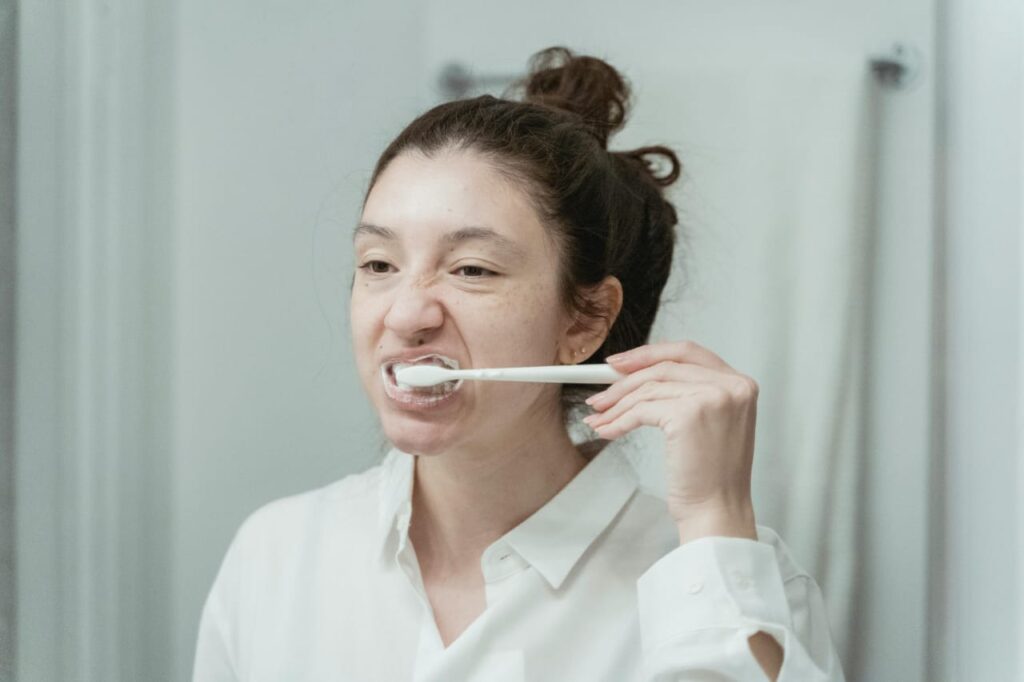
1. Understanding Teeth Whitening Strips
Before answering the question about brushing, let’s first look at what whitening strips are and how they work.
Whitening strips are thin, flexible pieces of plastic coated with a gel that contains peroxide or other bleaching agents. The active ingredient, typically hydrogen peroxide or carbamide peroxide, is responsible for breaking down and removing stains from the surface of the teeth. Over time, these strips gradually lighten the enamel, revealing a brighter, more radiant smile.
The application of these strips typically lasts between 20 to 45 minutes, depending on the brand and strength of the product. After the designated time has passed, the strips are removed, and the whitening effects start to show. However, what you do after removing the strips can have a significant impact on the results.
2. Brushing After Whitening Strips: The Basics
Now, let’s address the central question: Should you brush your teeth after using whitening strips?
The short answer is: It depends.
Here’s why:
2.1 To Brush or Not to Brush Right Away?
Most whitening strips contain peroxide-based ingredients that work by breaking down stains and lifting them from the surface of your teeth. This process can temporarily soften your tooth enamel. Brushing immediately after using the strips may cause irritation to your gums and enamel because the enamel is more vulnerable in its softened state.
Additionally, if you use an abrasive toothpaste, the friction from brushing can further erode the softened enamel, leading to more sensitivity and possible enamel damage over time.
2.2 The Ideal Time to Brush Your Teeth
Experts recommend waiting at least 30 minutes to an hour after using whitening strips before brushing your teeth. This waiting period allows the enamel to re-harden and return to its normal state. During this time, it’s advisable to rinse your mouth with water to remove any leftover residue from the whitening strips.
2.3 What Happens If You Brush Too Soon?
Brushing too soon after whitening strips can lead to:
Increased tooth sensitivity: The immediate brushing of teeth after whitening can exacerbate the sensitivity caused by the bleaching agents.
Enamel erosion: The enamel is temporarily softened after whitening, and aggressive brushing can wear it down.
Gum irritation: Scrubbing your teeth aggressively soon after whitening can irritate your gums, making them sensitive and inflamed.
3. Alternatives to Brushing After Whitening Strips
If brushing immediately is not recommended, how can you care for your teeth after using whitening strips? Here are a few alternatives:
3.1 Rinse Your Mouth with Water
After removing the whitening strips, it’s a good idea to rinse your mouth thoroughly with water. This helps wash away the leftover whitening gel and residue, ensuring that your teeth are clean and fresh without causing any damage to the enamel.
3.2 Use a Gentle Mouthwash
If you want to go a step further, consider using a fluoride mouthwash or a mouthwash designed to soothe sensitive teeth. Fluoride helps remineralize the enamel, which can be temporarily weakened by the peroxide-based agents in the whitening strips. A fluoride mouthwash will not only help maintain the brightness of your teeth but also ensure the protection of your enamel.
3.3 Wait Before Consuming Staining Foods or Beverages
After using whitening strips, your teeth may be more vulnerable to staining. It’s advisable to avoid foods and drinks that can stain your teeth (such as coffee, tea, wine, and dark-colored fruits) for at least 30 minutes to an hour after using whitening strips.
“Still unsure about your post-whitening routine? Get expert dental advice on how to care for your teeth after whitening strips to ensure the best results!”
4. The Role of Toothpaste in Post-Whitening Care
The toothpaste you use can also affect your post-whitening results. Here’s how:
4.1 Non-abrasive Toothpaste
When brushing after the recommended wait time, ensure that you use a non-abrasive toothpaste. Abrasive toothpaste can further erode your enamel, especially when your enamel is still recovering from the whitening process. Opt for a gentle fluoride toothpaste that helps maintain the health of your enamel while providing clean teeth.
4.2 Toothpaste with Desensitizing Agents
If you experience tooth sensitivity after using whitening strips, look for toothpaste that contains desensitizing agents, such as potassium nitrate or strontium chloride. These ingredients can help reduce discomfort and protect the enamel from further irritation.
5. Maintaining Results: Long-Term Care After Whitening Strips
While the immediate care after using whitening strips is crucial, maintaining your brighter smile requires ongoing attention to oral hygiene. Here are some tips for preserving the whitening effects:
5.1 Regular Brushing and Flossing
Maintain a consistent oral care routine by brushing your teeth at least twice a day and flossing daily. This helps remove plaque buildup, prevent new stains, and keep your smile bright and healthy.
5.2 Use a Whitening Toothpaste
If you want to enhance and maintain the effects of the whitening strips, consider using a whitening toothpaste. These toothpastes contain mild abrasives or other ingredients that can help prevent new stains from forming while being gentle on your enamel.
5.3 Avoid Staining Foods and Drinks
As mentioned earlier, certain foods and beverages can stain your teeth over time. If you want to keep your teeth white, limit your consumption of dark beverages like coffee, tea, and red wine. When consuming these items, rinse your mouth with water afterward.
6.How to Achieve a Brilliant Smile Safely
Do you brush your teeth after whitening strips?”, it’s essential to understand the process of whitening and its impact on your enamel. While it’s tempting to brush right after whitening, waiting at least 30 minutes to an hour is the best course of action. This ensures your enamel is fully re-hardened and that brushing won’t cause unnecessary damage or irritation.
Additionally, practicing good post-whitening care, such as rinsing with water, using a fluoride mouthwash, and opting for a non-abrasive toothpaste, will help protect your teeth and maintain the whitening effects. By following these guidelines, you can ensure a brighter, healthier smile that lasts.
Remember, teeth whitening is just one step in your overall oral care routine. With the right approach, you can enjoy a beautiful smile for years to come.