
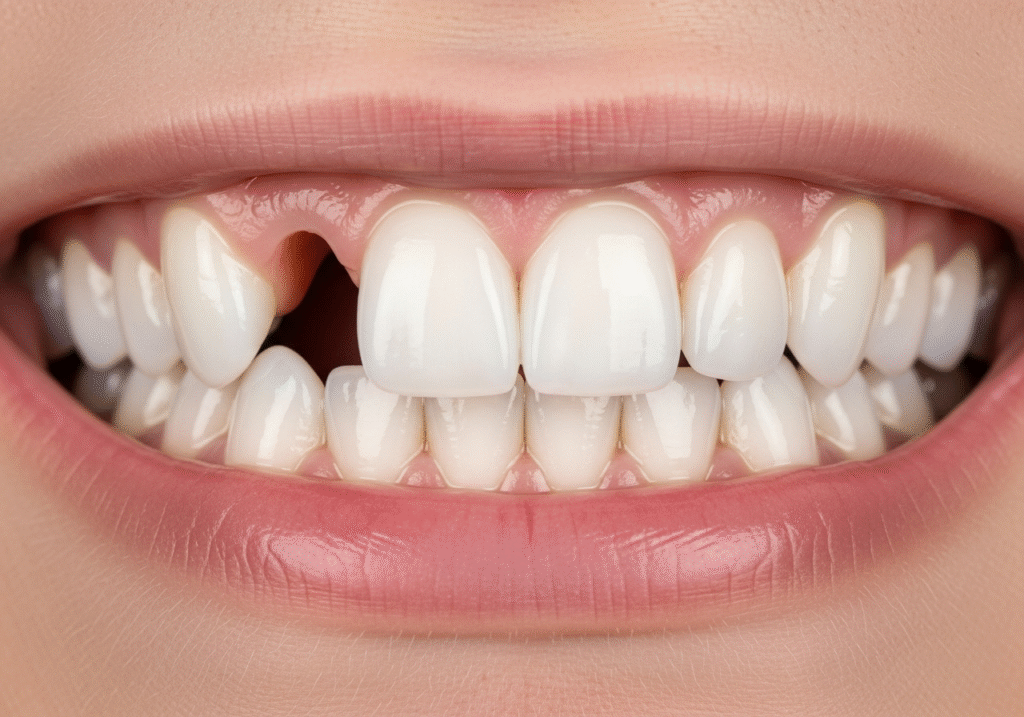
A confident smile can make a lasting impression, but missing teeth often cause embarrassment and discomfort. Many people wonder if dental veneers for missing teeth can restore their smile’s beauty and function. Porcelain veneers, known for their natural appearance and durability, are a popular cosmetic dentistry solution for improving the look of damaged or discolored teeth. However, when it comes to tooth replacement, veneers have certain limitations. Understanding what veneers can and cannot do is essential before choosing the right restorative dental treatment. In this guide, we’ll explore whether veneers can replace missing teeth and the best alternatives for a perfect smile.
What Are Dental Veneers?
Veneers are a thin layer made to fit over the front surface of a tooth and can be used on their own or as part of a full mouth restoration. They are generally made from ceramic or composite resin, which are known for being both strong and stable as well as looking natural.
Veneers are customized to address several cosmetic problems, including:
Discolored or stained teeth
Chipped or broken teeth
Slightly misaligned or uneven teeth
Teeth that are spaced apart or unevenly shaped
How Veneers Work
With the veneer procedure, a little bit of enamel (generally less than a millimeter) is taken off the front of the tooth. This allows room for the veneer to fit seamlessly. Your dentist then prepares impressions and sends them to a dental lab where custom veneers are created just for you and to match your existing teeth.
The veneers are then cemented into place with a very durable dental adhesive. The end-result is a smooth, even, and vibrant smile that feels as great as it looks!
But veneers do need something to hold onto — we finally arrive at the Big Question.
Can Dental Veneers Replace Missing Teeth?
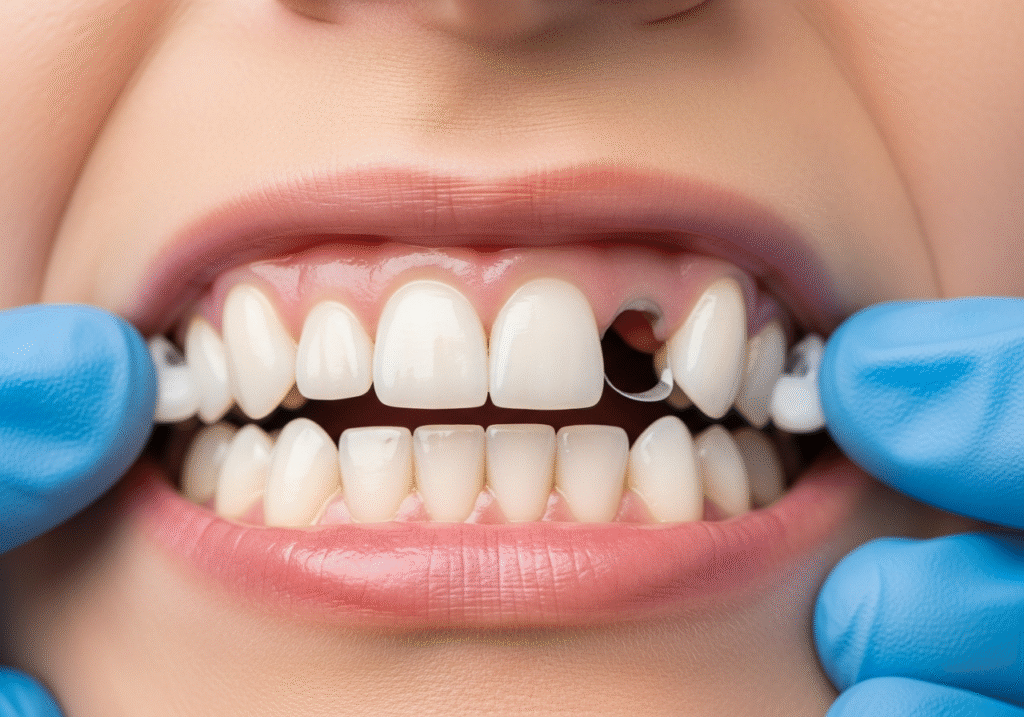
The short answer is no — dental veneers cannot replace missing teeth. Veneers are cosmetic coverings that require a tooth underneath for attachment. If there’s a gap where a tooth is missing, there’s no surface for the veneer to bond to.
Why Veneers Can’t Replace Missing Teeth
Veneers are like “masks” for imperfect teeth — not replacements. They enhance what’s already there, but they don’t fill empty spaces or provide the support that natural teeth or implants do.
If a tooth is completely missing, options such as dental implants, bridges, or partial dentures are typically required. Veneers can, however, play a role in blending these restorations into your natural smile for a seamless appearance.
The Role of Veneers in Smile Restoration
While veneers can’t replace missing teeth, they are often an important part of a comprehensive smile makeover. For example, if you’ve had an implant or bridge placed to replace a missing tooth, veneers on the surrounding teeth can enhance color consistency, symmetry, and overall aesthetics.
Veneers can also help balance teeth that have shifted or worn down over time due to gaps caused by missing teeth.
Benefits of Veneers in Smile Restorations
- Create a harmonious, natural appearance next to restorations
- Mask discoloration or minor imperfections
- Improve shape and alignment of existing teeth
- Boost confidence and comfort when smiling
So, while veneers don’t “replace” missing teeth, they can complement restorative treatments beautifully.
Best Alternatives for Missing Teeth
If you’re missing one or more teeth, you’ll need a treatment designed to replace the tooth structure itself, not just cover it. Here are the most effective alternatives:
1. Dental Implants
Dental implants are the gold standard for replacing missing teeth. They consist of a titanium post that’s surgically placed into the jawbone to act as a tooth root. A crown is then attached to the implant, creating a natural-looking, permanent replacement.
Pros:
- Long-lasting (often 20+ years)
- Prevents bone loss in the jaw
- Looks and functions like a real tooth
Cons:
- Requires surgery and healing time
- Higher upfront cost
2. Dental Bridges
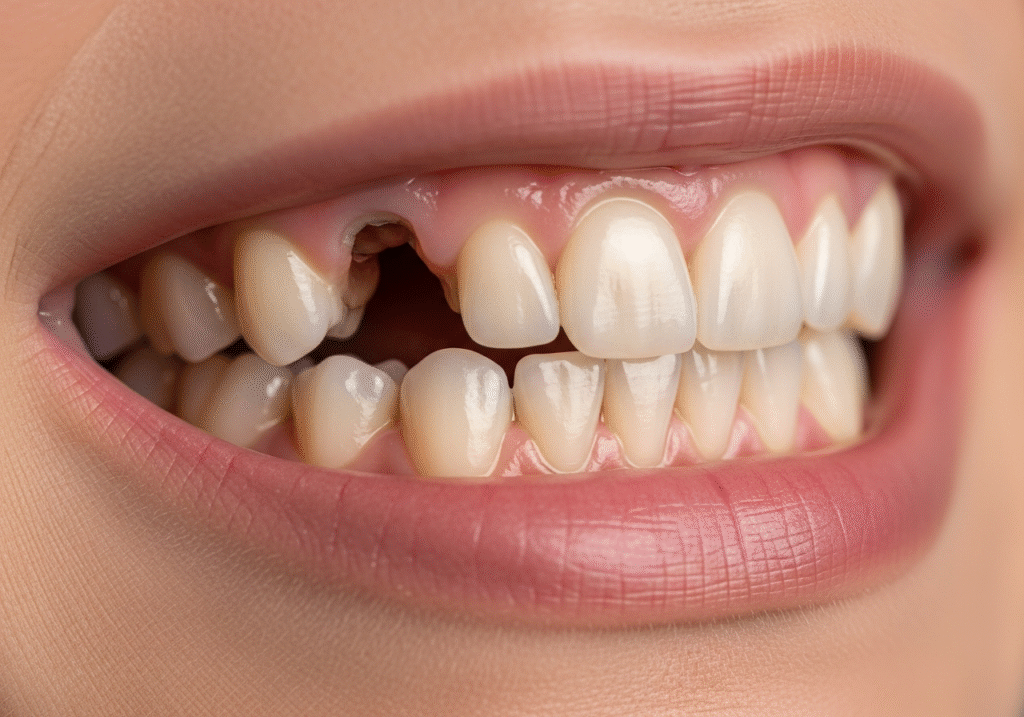
A bridge replaces one or more missing teeth by anchoring artificial teeth to the natural teeth or crowns on either side of the gap.
Pros:
- No surgery required
- Restores chewing ability and appearance
- Faster than implants
Cons:
- Requires reshaping healthy teeth for support
- Doesn’t prevent bone loss underneath
3. Partial Dentures
Removable partial dentures are a cost-effective solution for multiple missing teeth. They consist of replacement teeth attached to a gum-colored base, which is fitted to the mouth.
Pros:
- Affordable and non-invasive
- Easy to repair or replace
Cons:
- May feel less stable or natural
- Requires daily removal and cleaning
Comparison Table
| Option | Durability | Cost Range | Aesthetic Result | Ideal Candidate |
| Veneers | 10–15 years | $$ | Excellent for minor flaws | People with intact teeth |
| Implants | 20+ years | $$$$ | Highly natural | Missing single/multiple teeth |
| Bridges | 10–15 years | $$$ | Very natural | Missing 1–3 teeth in a row |
| Dentures | 5–10 years | $$ | Acceptable | Multiple missing teeth |
Combining Veneers with Other Dental Treatments
A complete smile makeover often combines several dental treatments for the best aesthetic and functional outcome. Veneers may be used alongside:
- Dental implants to match color and shape of surrounding teeth.
- Orthodontic treatment to improve alignment before veneer placement.
- Teeth whitening to create a consistent tone before veneers are added.
Example:
Imagine a patient missing one front tooth who receives an implant. The surrounding teeth may have discoloration or uneven shapes. By adding veneers to those adjacent teeth, the dentist ensures the entire smile looks uniform and radiant.
A cosmetic dentist carefully plans each step, often using digital imaging or 3D smile design software, to visualize how veneers, implants, and other restorations will blend seamlessly.
Cost Considerations
The cost of veneers varies based on materials, location, and dentist expertise. On average:
- Porcelain veneers: $900–$2,500 per tooth
- Composite veneers: $400–$1,500 per tooth
For comparison:
- Dental implants: $3,000–$6,000 per tooth
- Bridges: $2,000–$5,000 total
- Partial dentures: $1,000–$2,500
Insurance rarely covers veneers because they are considered cosmetic. However, implants and bridges may receive partial coverage if they are medically necessary. Always check with your provider for details.
What to Expect During the Veneer Procedure
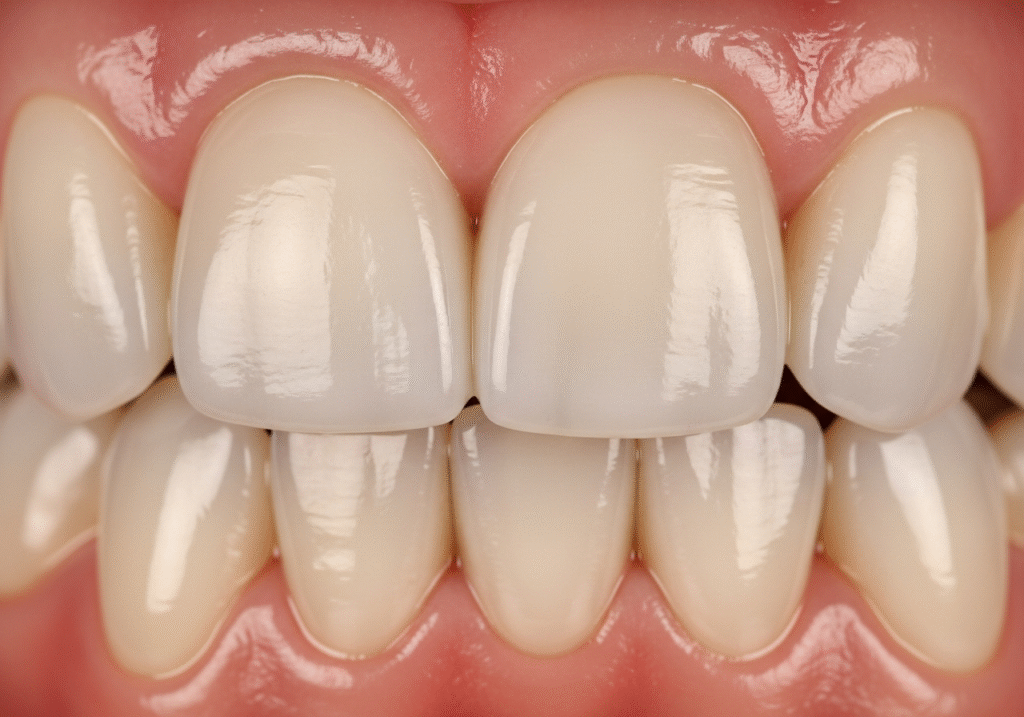
Here’s a step-by-step overview of how veneers are applied:
- Consultation:
Your dentist examines your teeth, discusses your goals, and checks if you’re a good candidate. - Tooth Preparation:
A small amount of enamel is removed to make room for the veneer. Local anesthesia is usually used for comfort. - Impressions & Temporary Veneers:
A mold or digital scan is taken, and temporary veneers may be placed while waiting for the lab to craft the final set. - Bonding:
Once ready, veneers are permanently bonded using dental cement and a curing light. Final adjustments ensure a natural look and comfortable bite.
The entire process typically takes 2–3 appointments over a few weeks.
Maintenance and Longevity
Veneers can last 10–15 years or more with proper care. Maintenance is straightforward:
- Brush twice a day and floss daily.
- Avoid biting on hard objects like ice or fingernails.
- Visit your dentist every six months for checkups and cleanings.
- Use a mouthguard if you grind your teeth.
Although veneers are stain-resistant, your natural teeth can still discolor over time — so consistent oral hygiene is essential to maintain a bright smile.
Who Should Consider Veneers
You may be an ideal candidate for veneers if:
- You have chipped, cracked, or discolored teeth.
- Your teeth are slightly misaligned or uneven.
- You want to enhance your smile without extensive orthodontic treatment.
However, veneers are not suitable for:
- People with missing teeth
- Individuals with gum disease or untreated decay
- Those who grind or clench excessively without protection
For missing teeth, implants or bridges are more appropriate. A qualified dentist can evaluate your unique situation and recommend a combination of treatments.
Final Thoughts
Dental veneers are a powerful tool for transforming your smile — but they are not a replacement for missing teeth. Veneers require an existing tooth structure to bond to and serve primarily cosmetic purposes.
If you have missing teeth, consider dental implants, bridges, or dentures as the most effective restorative options. Once the gaps are filled, veneers can enhance the look of your remaining teeth to create a beautifully uniform smile.
Every smile is unique, and the best results come from a personalized treatment plan. Whether you’re seeking cosmetic improvements or full restoration, consult a qualified cosmetic or restorative dentist to explore your best options.
With today’s advanced techniques, achieving a confident, natural-looking smile is more possible than ever — whether through veneers, implants, or a combination of both.
Permanent dental veneers for missing teeth
Permanent veneers cannot replace missing teeth; a natural tooth is required for bonding.
Best dental veneers for missing teeth
Veneers are best for existing teeth; missing teeth require implants, bridges, or partial dentures.
Best veneers for missing teeth
There is no veneer that replaces missing teeth; cosmetic veneers enhance surrounding teeth.
Clip-on veneers for missing teeth
Clip-on veneers can temporarily cover gaps but do not function as permanent replacements.
Can you get veneers with missing teeth
No, traditional veneers require existing teeth; alternatives like implants or bridges are needed.
Can you get clip-in veneers with missing teeth
Yes, clip-in veneers can mask gaps but are removable and temporary.
Can you get clip-in veneers with missing back teeth
Yes, clip-in veneers may cover missing back teeth cosmetically, but they do not restore function.
Can you get veneers with bad teeth
Veneers require healthy tooth structure; severely damaged or decayed teeth may need crowns or other treatments first.
Pingback: Can I Drink Alcohol 24 Hours After Tooth Extraction