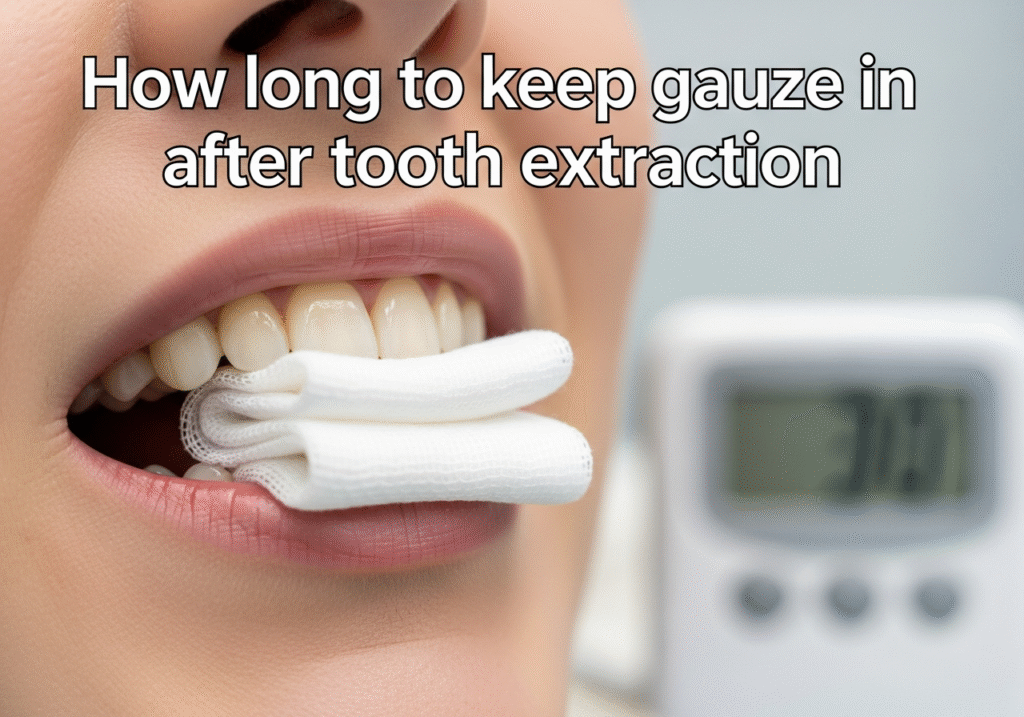
Gauze is an essential tool in recovery after a tooth extraction. Knowing how long to keep gauze in after tooth extraction is crucial for protecting the blood clot, controlling bleeding, and preventing complications such as dry socket. Proper use of gauze ensures that healing occurs naturally and reduces discomfort. This guide covers the importance of gauze, correct techniques, alternatives, and post-extraction care, giving you all the information needed for a smooth and safe recovery.
Why Gauze Is Important After Tooth Extraction
After a tooth is removed, the extraction site begins to bleed. Gauze plays a vital role in the healing process. By applying gentle pressure, it controls bleeding, encourages a stable blood clot, and shields the wound from bacteria and food particles. The blood clot acts as a natural protective barrier, reducing pain and protecting the exposed bone and nerves. Understanding the purpose of gauze helps ensure that patients follow instructions carefully and avoid unnecessary complications during recovery.
Typical Duration to Keep Gauze In Place
After tooth extraction, gauze is usually kept in the mouth for a period sufficient to control bleeding and allow a blood clot to form. The recommended duration can vary depending on the type of extraction, the patient’s overall health, and the location of the tooth. Front teeth often require shorter pressure compared to molars or wisdom teeth, which can bleed more heavily. If bleeding continues after the initial period, replacing the gauze with a fresh sterile pad while maintaining gentle pressure is generally advised. Removing gauze too early can disrupt clot formation, leading to prolonged bleeding and delayed healing.
Proper Technique for Using Gauze
The correct method of using gauze involves placing a sterile pad over the extraction site and biting down gently but firmly. This pressure helps seal the blood vessels and supports clot formation. If the gauze becomes soaked, it should be replaced with a fresh pad rather than repeatedly removing and reinserting the same one. Over-manipulating the site or biting too hard can irritate the wound and interfere with healing. The goal is to maintain steady pressure long enough for a stable clot to develop while avoiding trauma to surrounding tissues.
Risks of Improper Gauze Use
Incorrect or excessive use of gauze can result in complications. Removing gauze too soon may cause the clot to dislodge, increasing the risk of dry socket, a painful condition where the bone and nerves are exposed. Keeping gauze in for too long or applying excessive pressure can irritate the wound and slow the healing process. Additionally, using non-sterile materials or failing to monitor the gauze can increase the risk of infection. Proper gauze use is essential to ensure effective clot formation and reduce discomfort.
Signs It’s Safe to Remove Gauze

Gauze can usually be removed when bleeding has significantly decreased and the pad is no longer heavily soaked with fresh blood. Slight discoloration is normal, but the clot should feel stable. Patients should remove the gauze gently to avoid disturbing the clot. If bleeding continues after removal, reapplying a fresh pad for additional pressure is recommended. Proper timing and technique are key to ensuring that the extraction site heals efficiently.
What to Do If Bleeding Persists
Mild bleeding is normal after extraction, but persistent or heavy bleeding requires careful management. Replacing the gauze and maintaining gentle pressure usually helps control bleeding. Some patients may use a moistened tea bag to aid clotting, as tannins in tea promote blood coagulation. If bleeding does not decrease, contacting a dentist is important. Persistent bleeding may indicate complications that require professional attention.
Alternatives to Gauze
When gauze is not available or insufficient, there are safe alternatives. Moistened tea bags can be used temporarily to control bleeding due to their clotting properties. Hemostatic sponges and dental gauze strips are medical-grade products designed for post-extraction use. Consulting a dentist before using alternatives ensures that clot formation is not disrupted and healing remains on track.
Gauze Use in Different Situations
The need for gauze varies depending on the complexity of the extraction. Routine tooth extractions may require gauze for a short period, while surgical or wisdom tooth extractions often necessitate longer application and frequent changes. Patients taking blood-thinning medications or those with clotting disorders may also require special care and extended gauze use. Children and elderly patients need additional supervision to ensure proper application without disrupting the clot.
Tips for Supporting Healing Beyond Gauze
Gauze is one aspect of post-extraction care. Additional steps help promote healing and minimize complications. Keeping the head elevated during rest reduces bleeding and swelling. Avoiding smoking, alcohol, and using straws prevents clot disruption. Eating soft foods protects the wound while nourishing the body. Gentle oral hygiene, cold compresses, and warm saltwater rinses after the first day support recovery. Following these practices alongside proper gauze use enhances comfort and speeds healing.
Recognizing When to Contact a Dentist
Even with correct gauze use, complications can occur. Contact a dentist if heavy bleeding continues despite gauze pressure, if severe pain develops, or if there are signs of infection such as swelling, fever, or foul odor. Early attention to issues ensures a smoother recovery and prevents more serious problems such as dry socket or delayed healing.
Common Questions About Gauze After Tooth Extraction
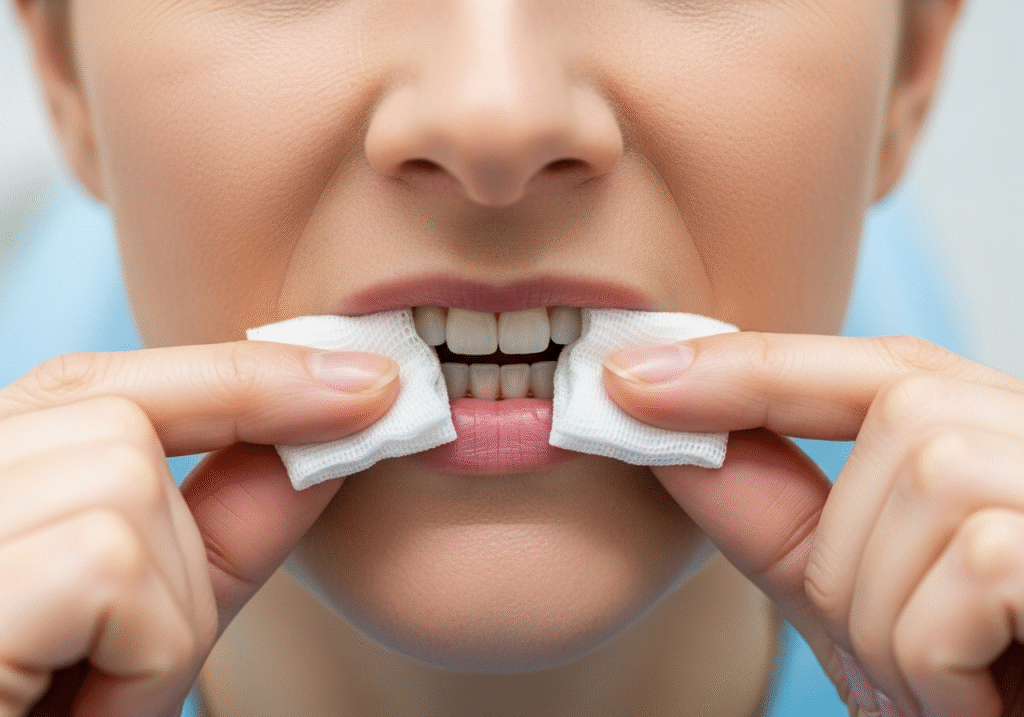
Patients frequently ask about sleep, diet, and daily activities in relation to gauze use. Sleeping with gauze in place is acceptable if it does not interfere with breathing. Slight bleeding or oozing for up to 24 hours is normal. Gauze should be removed gently to avoid dislodging the clot. If sterile gauze is unavailable, temporary alternatives like tea bags may be used under guidance. Proper care and gentle handling of the extraction site are essential to prevent complications.
Patient Experiences and Insights
Many patients share experiences on forums and social media, highlighting the variability in recovery. Some report needing to change gauze multiple times before bleeding stops, while others notice slight oozing for several hours. These experiences emphasize that individual healing rates differ, and following professional advice ensures the best outcomes. Listening to your body and observing the extraction site for signs of complications helps guide care decisions.
Tips for Proper Care After Tooth Extraction: How Long to Keep Gauze In and Beyond
Tooth extraction is a common dental procedure, but it requires careful aftercare to ensure proper healing and avoid complications such as excessive bleeding or dry socket. One of the most important aspects of post-extraction care is managing the gauze placed over the extraction site. Knowing how long to keep gauze in after tooth extraction, and how to care for the area afterward, can make a significant difference in recovery time and comfort. This guide provides detailed tips for optimal healing and maintaining oral health after your procedure.
1. Understanding the Role of Gauze After Tooth Extraction
After a tooth is removed, a blood clot forms in the empty socket. This clot is essential for proper healing, as it protects underlying bone and nerve endings. The gauze placed by your dentist helps:
- Control initial bleeding
- Encourage clot formation
- Keep the area clean from food particles and bacteria
Knowing how long to keep gauze in is critical. Typically, dentists recommend keeping it in place for 30 to 60 minutes immediately after extraction, but this can vary depending on the tooth, complexity of the extraction, and your personal bleeding tendency.
2. Steps to Manage Gauze Properly
Step 1: Keep it Firmly in Place
Fold the gauze pad into a small square and place it over the extraction site. Bite down gently but firmly for pressure to help stop bleeding.
Step 2: Avoid Constant Pressure Changes
Do not repeatedly lift or move the gauze; this can disrupt the clot.
Step 3: Replace When Necessary
If bleeding continues after an hour, replace the gauze with a fresh, folded piece. Ensure your hands are clean before touching it.
Step 4: Check for Excessive Bleeding
A little blood mixed with saliva is normal. If you notice heavy, continuous bleeding soaking through gauze repeatedly, contact your dentist immediately.
3. Timing: How Long to Keep Gauze In
- First 30–60 Minutes: Keep the initial gauze pad in place and bite down gently.
- After 1 Hour: Remove the gauze and assess bleeding. If mild bleeding continues, fold a new piece and repeat for another 30–60 minutes.
- After 2–3 Hours: Most bleeding should have slowed or stopped. You may no longer need gauze unless there is minor oozing.
Following these timing guidelines helps the blood clot stabilize, which is essential for healing.
4. Additional Tips to Control Bleeding
Avoid Rinsing or Spitting Vigorously: Rinsing too soon can dislodge the clot.
Elevate Your Head: When resting, keep your head slightly elevated to reduce blood flow to the extraction site.
Avoid Straws and Sucking Motions: Suction can pull the clot from the socket, causing a painful condition called dry socket.
Apply a Cold Compress: Placing a cold pack on your cheek near the extraction area helps reduce swelling and slows bleeding.
5. What to Eat and Drink After Extraction
Diet can significantly impact clot stability. Stick to:
- Soft foods: Yogurt, mashed potatoes, applesauce, pudding
- Cool or lukewarm items: Avoid hot drinks for the first 24 hours
- Hydration: Drink water, but sip gently without using a straw
Avoid: crunchy, hard, or spicy foods that can irritate the extraction site.
6. Oral Hygiene Post-Extraction
Proper oral hygiene prevents infection and promotes healing:
- Brush teeth gently, avoiding the extraction site for the first 24 hours
- After 24 hours, rinse gently with warm salt water to clean the area
- Avoid alcohol-based mouthwashes initially, as they can irritate tissue
7. Signs You Need Immediate Dental Attention
While some discomfort and minor bleeding are normal, contact your dentist if you notice:
- Persistent, heavy bleeding that doesn’t stop after repeated gauze changes
- Severe pain not relieved by over-the-counter pain medication
- Swelling that worsens after 48 hours
- Pus or foul odor from the extraction site
- Loose blood clot or exposed bone
8. Tips to Avoid Complications
Prevent Dry Socket: Avoid smoking, alcohol, and vigorous rinsing during the first few days.
Rest and Recovery: Give your body time to heal. Avoid strenuous activity that may increase blood pressure and bleeding.
Follow Prescriptions: If your dentist prescribed painkillers or antibiotics, take them as directed.
Protect the Site While Eating: Chew on the opposite side of your mouth until the area heals.
9. When to Remove Gauze Safely
- Always wash your hands before handling gauze
- Remove gently; do not pull aggressively
- Replace only if bleeding continues
- Do not leave gauze for hours once bleeding has stopped, as it can become a breeding ground for bacteria
10. Long-Term Care After Extraction
After the initial 24–48 hours:
- Continue saltwater rinses for 3–5 days
- Resume normal oral hygiene gradually
- Eat a balanced diet to support tissue repair
- Monitor for signs of infection or delayed healing
Proper early care sets the stage for a faster and more comfortable recovery.
Conclusion
Knowing how long to keep gauze in after tooth extraction is essential to protect the blood clot, control bleeding, and ensure smooth healing. Typically, the first 30–60 minutes are critical, with replacement only if minor bleeding continues. Combining gauze management with proper diet, oral hygiene, and lifestyle precautions helps prevent complications like dry socket and infection. Following these tips carefully allows for a faster, safer, and more comfortable recovery, ensuring your mouth heals properly and you return to normal activities with minimal discomfort.
Conclusion
Knowing how long to keep gauze in after tooth extraction is a key factor in safe, effective recovery. Proper gauze use promotes clot formation, controls bleeding, and protects the extraction site from infection and irritation. Combined with careful post-operative practices, monitoring, and timely dentist consultations, gauze helps ensure a smooth healing process. Following these guidelines provides comfort, reduces complications, and supports healthy oral recovery.
When to stop using gauze after wisdom tooth extraction
Stop using gauze once bleeding has slowed and a stable blood clot has formed, usually within a few hours.
Should I sleep with gauze after tooth extraction
You can sleep with gauze if bleeding persists, but make sure it doesn’t block your breathing or become too soaked.
When to stop using gauze after tooth extraction Reddit
Most Reddit users suggest removing gauze when bleeding reduces and replacing it only if necessary for extra pressure.
Should I wet gauze after tooth extraction
No, use dry sterile gauze for proper clot formation; wet gauze may interfere with healing.
Do I eat with gauze in mouth after extraction
How long to keep gauze in after tooth extraction with stitches
How often to change gauze after tooth extraction
Change gauze every 30 to 60 minutes if bleeding continues, using fresh sterile pads each time.
Blood clot on gauze after tooth extraction
A blood-stained gauze is normal; it indicates the clot is forming and protecting the wound.