Experiencing discomfort after a dental procedure can be unsettling, and many patients wonder, “Why does my tooth hurt after a filling?” While mild pain is common, understanding the underlying reasons can help you feel more at ease. Sometimes, the treated tooth reacts to changes in pressure, temperature, or the procedure itself, leading to temporary dental sensitivity. In other cases, the filling may be slightly high, causing bite issues or increased nerve irritation. If the original cavity was deep, lingering tooth decay or inflammation might also contribute to your discomfort. Additionally, habits such as poor oral hygiene or grinding your teeth can worsen symptoms, especially right after a dental restoration. Knowing what’s normal—and when to seek help—can ensure your tooth heals properly and your smile stays healthy.
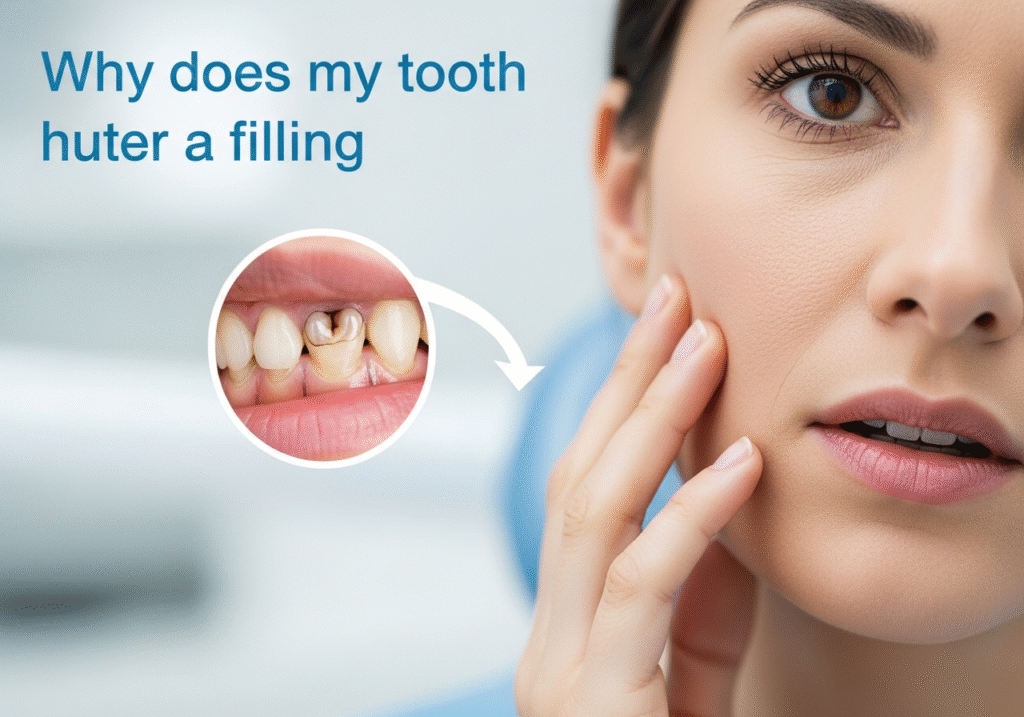
If you’ve recently had a filling and are now wondering, “Why does my tooth hurt after a filling?“, you’re not alone. Many people experience some level of tooth pain or sensitivity after a dental filling, and while some discomfort is normal, it can be concerning. This pain can stem from several factors, including irritation of the tooth nerve, the bite not being properly aligned, or even the type of material used for the filling. In this article, we’ll explore the common reasons why your tooth hurts after a filling, what you can do to manage the pain, and when it’s time to seek professional help from your dentist.
If you’ve recently had a dental filling placed in one of your teeth and are now experiencing pain or sensitivity, you’re not alone. It’s common for people to feel some discomfort after a filling, but that doesn’t always mean something is wrong. In fact, mild pain can be a normal part of the healing process.
However, understanding when pain is just temporary versus when it signals a more serious issue can be confusing. In this article, we’ll explore why your tooth might hurt after a filling, when you can expect the pain to subside, and what to do if it doesn’t. Whether your pain is mild or intense, we’ll walk you through the most common causes and give you helpful tips for managing it.
Why Some Tooth Pain After a Filling Is Normal
After a dental filling, it’s typical to experience some tooth pain or sensitivity. The reason for this discomfort often lies in the filling procedure itself, which can temporarily irritate the tooth’s nerves and surrounding tissues. Here are a few reasons why some pain after a filling is completely normal:
- Irritation to Nerves and Tissues
During the filling process, your dentist removes decayed tissue from the affected tooth. This procedure can cause temporary irritation to the tooth’s nerve or pulp, leading to mild sensitivity to hot, cold, or pressure. - Inflammation as Part of the Healing Process
Just like any healing tissue in the body, your tooth responds to treatment with inflammation. This can cause discomfort for a short period of time while the tooth adjusts to the new filling. - Changes in Bite Alignment
The filling may slightly alter the way your tooth fits into your bite, leading to pressure or discomfort when chewing. This is especially true if the filling is on a molar or a large filling where more structure has been removed.
Common Types of Pain After a Filling
There are different types of pain and discomfort that people experience after getting a filling. Knowing what to expect can help you differentiate between normal sensitivity and symptoms that may need professional attention.
1. Cold Sensitivity
You may feel a sharp, sudden pain when consuming something cold, such as ice cream or a cold drink. This is one of the most common types of pain after getting a filling. It usually indicates that the nerve inside the tooth is reacting to temperature changes.
2. Hot Sensitivity
Similar to cold sensitivity, some people experience pain when drinking hot beverages like coffee or tea. Again, this is typically a temporary response and should resolve as the nerve heals.
3. Pressure Sensitivity
If you feel pain when biting down or chewing, it could mean that your filling is slightly higher than the surrounding tooth structure. This is a sign that the bite may be misaligned, which can be easily corrected by your dentist.
4. Dull Ache
A mild, lingering ache in the filled tooth is common and typically subsides after a few days. This is generally due to the healing of the soft tissues around the tooth and the adjustment to the filling.
Common Causes of Tooth Pain After a Filling
There are several potential reasons why your tooth may hurt after a filling. While some of these causes are harmless, others may require more intensive treatment. Let’s explore the most common reasons:
1. Inflamed or Irritated Nerve (Pulpitis)
After a filling, especially a deep filling, it’s possible for the nerve inside the tooth (the pulp) to become inflamed. This condition is known as pulpitis. Pulpitis can be reversible if the irritation is mild, but if the inflammation persists or worsens, it could lead to more severe symptoms like throbbing pain or the need for a root canal.
2. High Filling (Bite Misalignment)
In some cases, a filling may be placed slightly too high, meaning it protrudes above the surrounding tooth surface. This can cause pain when you bite or chew, as the filling is subjected to excessive pressure. A high filling is easy for your dentist to adjust by reshaping it to fit properly.
3. Tooth Sensitivity to Materials
The type of filling material used can also affect the level of sensitivity in your tooth. Composite fillings (tooth-colored) are more likely to cause sensitivity compared to amalgam (silver) fillings because they can expand and contract with temperature changes. Over time, this sensitivity typically fades, but some people experience prolonged discomfort.
4. Cracks or Fractures in the Tooth
If your tooth was cracked or weakened by the cavity, the filling may exacerbate the issue. The pressure of biting down can aggravate a hairline fracture, causing pain. Cracks can sometimes go unnoticed until symptoms appear after a filling, so it’s important to mention this to your dentist if you experience pain.
5. Incomplete Removal of Decay
If your dentist wasn’t able to fully remove the decayed tissue before placing the filling, the remaining decay can continue to cause irritation and discomfort. This can also increase the risk of reinfection, so it’s important to have your dentist recheck the filled tooth if pain persists.
How Long Should Pain Last After a Filling?
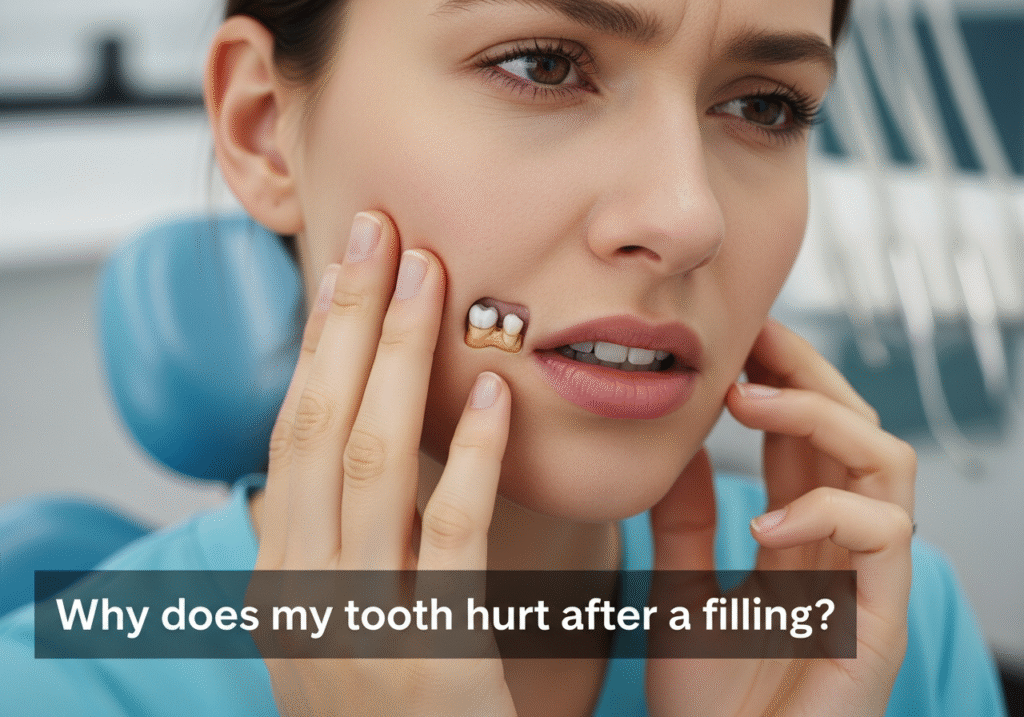
The pain after a filling usually resolves on its own within a few days to a week. However, if you’re unsure whether the pain is normal, here’s a general timeline for how long different types of discomfort should last:
- First 24 Hours: It’s normal to feel some discomfort during the first day after the procedure, especially if you had local anesthesia. You may also experience some tenderness around the gums.
- 2–3 Days: Sensitivity to hot and cold temperatures is common during the first couple of days after a filling. Pain should gradually decrease over this period, but it’s not unusual to still feel some discomfort when biting down or chewing.
- 1–2 Weeks: By this time, most people should notice a significant reduction in pain. If you still feel discomfort or sensitivity after two weeks, it may be worth scheduling a follow-up appointment.
- After 2 Weeks: If the pain persists beyond two weeks, it’s time to contact your dentist. This could be a sign of an issue like pulpitis, a high filling, or a crack in the tooth.
Warning Signs Something Might Be Wrong
While mild discomfort is typical after a filling, certain signs could indicate that there’s a more serious problem. If you notice any of the following, it’s time to call your dentist:
- Severe Pain: Sharp, persistent pain, especially when chewing or biting, can indicate a high filling or an underlying tooth issue.
- Ongoing Sensitivity: If your tooth becomes more sensitive over time, or if the pain gets worse instead of improving, it may suggest pulpitis or an incomplete filling.
- Swelling: Swelling around the filled tooth, especially if accompanied by pus, can signal an infection that requires immediate attention.
- Pain Lasting More Than Two Weeks: Pain that doesn’t begin to subside after two weeks could be a sign of a more serious dental issue that requires professional evaluation.
What You Can Do at Home to Manage Pain
While you wait for the pain to subside or for your dentist to assess your tooth, there are a few things you can do at home to manage discomfort:
- Avoid Cold and Hot Foods: To avoid triggering sensitivity, stay away from extreme temperatures. Stick to room-temperature foods and drinks.
- Chew on the Opposite Side: If chewing on the filled tooth causes pain, avoid using it to chew. Stick to eating on the opposite side of your mouth until the pain improves.
- Over-the-Counter Pain Relief: Medications such as ibuprofen or acetaminophen can help reduce inflammation and relieve pain. Be sure to follow the dosage instructions.
- Cold Compress: If you experience swelling or throbbing pain, applying a cold compress to the outside of your cheek can help reduce inflammation and provide relief.
- Soft-Bristled Toothbrush: Gently brushing your teeth with a soft-bristled toothbrush will help prevent further irritation to the filled area.
When to Call Your Dentist
If your pain doesn’t improve or if you experience any of the following symptoms, it’s important to contact your dentist:
- Pain that doesn’t subside after a few days
- Severe pain when chewing or biting
- Ongoing sensitivity that increases over time
- Swelling or pus around the tooth
- A noticeable change in your bite or the way your teeth fit together
Your dentist may need to adjust the filling or investigate other underlying issues such as nerve damage, cracks, or infection.
How Dentists Diagnose and Treat Post-Filling Pain
If you return to the dentist with persistent pain after a filling, they’ll perform a thorough examination. This may include:
- Bite Tests: To check if the filling is too high or if there is uneven pressure when you bite.
- X-Rays: To confirm that all decay was removed and to check the tooth for cracks or damage.
- Temperature Tests: To see how your tooth responds to cold or hot stimuli and determine if the nerve is still sensitive.
- Visual Inspection: Dentists will also visually inspect the filling to check for signs of damage or improper placement.
Why does my tooth filling hurt after months?
It may be caused by hidden decay, a worn filling, or lingering nerve irritation.
Why does my tooth hurt after a filling when I eat?
Pain while eating often means the filling is too high or the tooth is still sensitive.
How to relieve tooth pain after filling?
Use mild pain relief, avoid very hot or cold foods, and chew on the opposite side.
Why does my tooth filling hurt after years?
Aging fillings, cracks, or new decay can cause pain even years later.
Why does my tooth filling hurt after a week?
The tooth may be adjusting, or the bite may need a small adjustment.
Toothache after filling getting worse
Worsening pain can signal infection, nerve inflammation, or a faulty filling.
Why does my tooth filling hurt after 2 weeks?
Ongoing pain after two weeks may point to pulpitis or a high filling.
Tooth pain after filling when chewing
Chewing pain usually indicates a high or uneven filling putting pressure on the tooth.