
Teeth whitening has become a popular way to achieve a brighter smile. Many people wonder, how long after teeth whitening can I eat normally. The answer depends on the type of whitening used, your tooth enamel, and your oral hygiene habits. Teeth can be sensitive after whitening, and some foods and drinks may cause stains or irritation. Knowing when to eat and what to avoid can make your whitening results last longer. In this article, we explain everything you need to know about eating after teeth whitening and keeping your smile healthy.
Understanding Teeth Whitening
Teeth whitening works by using peroxide-based gels. These gels remove stains from tooth enamel and lighten the natural color of teeth. There are two main types of whitening. In-office whitening is done by a dentist. It gives faster and stronger results. At-home whitening kits are gentler and take longer to show results. Whitening can cause temporary changes in teeth. The enamel may become porous, and the gum tissue can feel irritated. This is normal. Understanding whitening helps you know why timing your meals is important. The effects of whitening last longer when teeth are treated carefully after the procedure.
Immediate Effects After Teeth Whitening
After whitening, teeth often feel sensitive. This sensitivity usually lasts a few hours to a few days. Some people feel tingling or mild pain. Gum tissue may also feel sore or inflamed. This is because the whitening gel temporarily affects the tooth enamel. Teeth can also look brighter or slightly translucent for a short time. It is important to protect your teeth during this period. Avoid hot, cold, or acidic foods. Drinking water or using a fluoride rinse can help protect enamel and calm sensitive gum tissue. Proper care immediately after whitening ensures your teeth recover and maintain a natural shine.
Foods and Drinks to Avoid After Whitening
After teeth whitening, you should avoid foods that can stain teeth. Coffee, tea, red wine, dark sauces, and soda are the most common culprits. Acidic foods like citrus fruits or vinegar-based meals can irritate sensitive enamel. Spicy foods may also cause discomfort on the gum tissue. These foods can reduce the effectiveness of whitening. Some people make the mistake of eating too soon. This can affect oral hygiene and leave stains. Waiting at least 24–48 hours after in-office whitening is often recommended. At-home whitening may require a longer wait depending on the strength of the gel. Careful food choices help maintain whitening results.
Safe Foods to Eat After Whitening
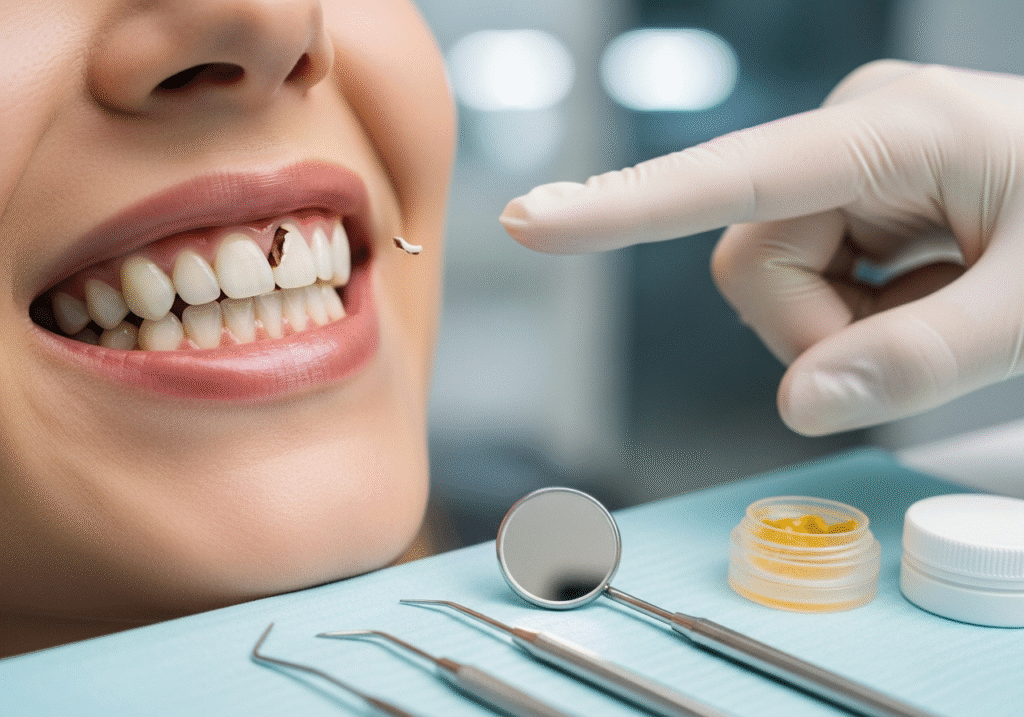
You can eat soft, non-staining foods after whitening. Examples include yogurt, mashed potatoes, oatmeal, boiled vegetables, and eggs. Cold or lukewarm foods are better than very hot foods. Dairy products are also safe. They contain calcium that supports tooth enamel. Avoid colored drinks or foods during the first 24 hours. Eating safe foods protects your teeth while allowing your gum tissue to recover. Soft foods reduce pressure on teeth and help maintain a healthy smile. Proper eating habits make whitening results last longer and prevent irritation.
How Long to Wait Before Eating Normally
The exact timing depends on the type of whitening you used. After in-office whitening, it is recommended to wait at least 24–48 hours before returning to normal eating habits. At-home whitening may require 48–72 hours, depending on the gel strength. During this time, your tooth enamel is more porous and prone to staining. If you eat too soon, coffee or acidic foods can penetrate the enamel. For best results, stick to safe foods first, gradually reintroducing your usual diet. Dentists emphasize following these guidelines to protect oral hygiene and maintain whitening results.
Here’s a simple table showing suggested waiting times:
| Whitening Type | Wait Time Before Normal Eating | Notes |
| In-office whitening | 24–48 hours | Teeth may feel sensitive |
| At-home whitening | 48–72 hours | Depends on gel strength |
| Mild at-home strips | 24 hours | Use fluoride rinse to protect enamel |
Managing Sensitivity After Whitening
Sensitivity is common after teeth whitening. Using a soft-bristled toothbrush can reduce discomfort. Desensitizing toothpaste helps protect enamel and calm nerve endings. Avoid chewing hard foods during this period. Drinking water frequently can reduce irritation. Some people find relief by using a cold compress on their cheeks. Proper management of sensitivity helps protect gum tissue and enamel. Following the correct care routine ensures you can eat normally without discomfort after the recommended waiting time.
Long-Term Care After Whitening
To keep your teeth white, follow good oral hygiene. Brush twice daily with a fluoride toothpaste. Floss daily to remove food particles and plaque. Rinse your mouth after meals to prevent staining. Avoid smoking and limit coffee, tea, and red wine. Regular dental checkups are important for maintaining healthy teeth and strong enamel. Using whitening toothpaste occasionally can help maintain results. Long-term care ensures your teeth remain bright while protecting tooth enamel, gum tissue, and overall oral health.
Common Mistakes to Avoid After Whitening
Some people eat too soon after whitening, which can ruin results. Drinking dark-colored beverages or eating acidic foods too early can stain enamel. Brushing immediately after whitening can cause enamel wear and gum irritation. Not following proper post-whitening care may lead to sensitivity and shorten the whitening effect. Avoid these mistakes by sticking to safe foods, waiting the recommended time, and following your dentist’s instructions. Maintaining good habits ensures long-lasting results and protects your oral health.
FAQs About Eating After Teeth Whitening
Many people have questions about returning to normal eating. Can I drink coffee right after whitening? It is best to wait at least 24 hours for in-office whitening. How long should I avoid acidic foods? Usually 48 hours is recommended. Are there ways to speed up enamel recovery? Using fluoride toothpaste and rinses helps. Can I eat colored foods safely? It’s better to stick to neutral-colored, soft foods first. Following these guidelines prevents staining, maintains tooth enamel, and keeps your smile healthy.
Practical Tips: How Long After Teeth Whitening Can I Eat Normally
Teeth whitening is a popular way to achieve a bright smile. Many people ask, how long after teeth whitening can I eat normally. The answer depends on the type of whitening treatment, your sensitivity, and how well you follow post-whitening care instructions. Whitening temporarily affects tooth enamel and gum tissue, making them more vulnerable to staining and irritation. Eating at the wrong time can reduce results, increase sensitivity, or even damage enamel. Here’s a fresh set of practical tips to help you eat safely while protecting your teeth and maintaining a bright smile.
Tip 1: Know Your Whitening Procedure
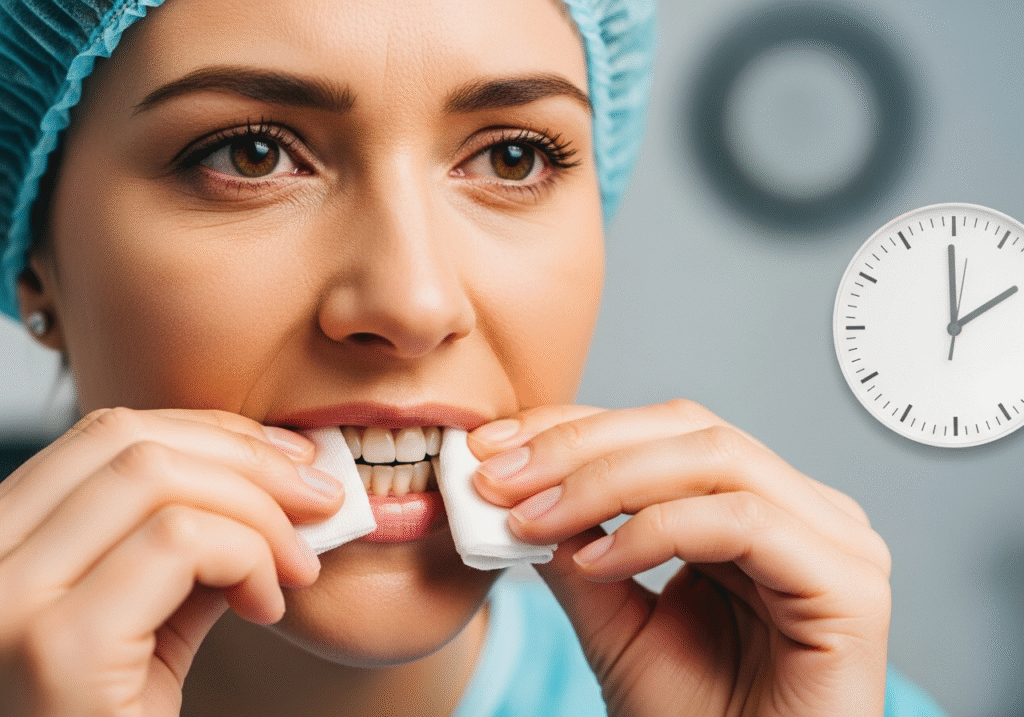
Different whitening procedures affect teeth differently. In-office whitening uses stronger bleaching agents, giving faster results but causing temporary sensitivity. At-home whitening kits are gentler but require several sessions. The stronger the treatment, the longer you should wait before eating normally. Understanding your whitening treatment helps you follow the right timeline, protecting tooth enamel and gum tissue.
Tip 2: Start With Soft and Neutral Foods
After whitening, teeth are slightly porous and sensitive. Start with soft, neutral foods like mashed potatoes, rice, eggs, or yogurt. These foods are gentle on tooth enamel and won’t irritate gum tissue. Avoid hard, crunchy, or spicy foods in the first 24 hours. Soft foods help reduce discomfort and protect your teeth while they recover from the bleaching process.
Tip 3: Avoid Dark-Colored Foods and Drinks
Immediately after whitening, avoid foods and drinks that can stain teeth. Coffee, tea, red wine, berries, tomato sauce, and dark sodas can penetrate porous enamel and reduce whitening results. Acidic foods like citrus can irritate gum tissue. Avoiding these foods for 24–72 hours ensures that whitening lasts longer. Even small sips of tea or coffee too early can leave temporary stains.
Tip 4: Hydrate Often
Drinking water is simple but effective. It helps rinse away pigments, supports oral hygiene, and reduces sensitivity. Water also helps gum tissue recover and prevents dryness in the mouth. Sipping water after meals or snacks is particularly helpful during the first 48 hours when enamel is most vulnerable. Hydration also helps maintain long-term whitening results.
Tip 5: Delay Brushing
Brushing immediately after whitening can irritate gum tissue and enamel. Wait 30–60 minutes before brushing. Use a soft-bristled toothbrush with fluoride toothpaste and brush gently. Overbrushing can worsen sensitivity and damage tooth enamel. Following this tip ensures your teeth stay protected while maintaining proper oral hygiene.
Tip 6: Handle Sensitivity Carefully
Mild sensitivity is common after whitening. Using desensitizing toothpaste or fluoride gel helps reduce discomfort. Avoid very hot or cold foods and drinks during this period. If teeth or gum tissue are sore, apply a cold compress externally. Avoid biting hard foods or chewing aggressively. Sensitivity typically decreases within 24–48 hours, allowing you to gradually return to normal eating habits.
Tip 7: Reintroduce Foods Gradually
Once the initial 24–72 hour period is over, slowly reintroduce your normal diet. Start with bland or lightly colored foods before returning to coffee, tea, wine, or spicy foods. Gradually reintroducing these foods protects tooth enamel and preserves the whitening effect. If you feel any discomfort, extend the waiting period. A gradual approach keeps your teeth healthy and your smile bright.
Tip 8: Avoid Smoking
Smoking can leave stains on teeth and irritate gum tissue, especially after whitening. Nicotine and tar quickly penetrate porous enamel, undoing your whitening results. Avoid smoking for at least 48 hours post-whitening. Patients who avoid smoking report longer-lasting results and reduced sensitivity. Quitting or reducing smoking also improves overall oral hygiene.
Tip 9: Maintain Daily Oral Hygiene
After the initial waiting period, it is essential to maintain proper oral hygiene. Brush twice daily, floss, and rinse with fluoride mouthwash. Strong tooth enamel and healthy gum tissue help prevent staining and maintain your whitening results. Consistent oral care not only protects your smile but also prevents cavities, gum disease, and other dental issues.
Tip 10: Use Straws for Staining Drinks
If you cannot avoid coffee, tea, or juice, use a straw. Drinking through a straw minimizes contact between beverages and tooth enamel, reducing the risk of stains. This is especially useful in the first 48 hours when teeth are most sensitive. Straws help protect your whitening results without requiring you to give up your favorite drinks completely.
Tip 11: Avoid Acidic Mouth Rinses
Some mouth rinses contain alcohol or acids that can irritate gum tissue and weaken tooth enamel. Stick to fluoride or alcohol-free rinses for the first few days. Gentle rinses help strengthen enamel and reduce sensitivity while preserving whitening results. Using harsh rinses too soon can undo the benefits of your whitening treatment.
Tip 12: Plan Your Meals Around Whitening
Planning meals around whitening treatments prevents accidental staining. Eat soft, neutral foods immediately after treatment, and avoid eating out or consuming dark sauces for at least 24 hours. Preparing meals in advance makes it easier to follow post-whitening care instructions and protects your gum tissue and enamel. Proper planning ensures you enjoy a smooth recovery with maximum results.
Tip 13: Watch for Signs of Irritation
Even if you follow all tips, some people may experience gum tissue irritation or mild enamel sensitivity. Redness, soreness, or tingling is normal but should subside in 24–48 hours. If symptoms persist, consult your dentist. Observing your teeth and gum tissue during recovery helps prevent long-term damage and ensures your smile stays healthy.
Tip 14: Keep Track of Whitening Treatments
Tracking whitening sessions helps you follow proper waiting times and post-care instructions. Note the type of treatment, timing, and when you can safely reintroduce certain foods. Keeping a schedule ensures you avoid mistakes that could reduce whitening effectiveness. Patients who track their whitening process see longer-lasting, brighter results.
Tip 15: Trust Professional Advice
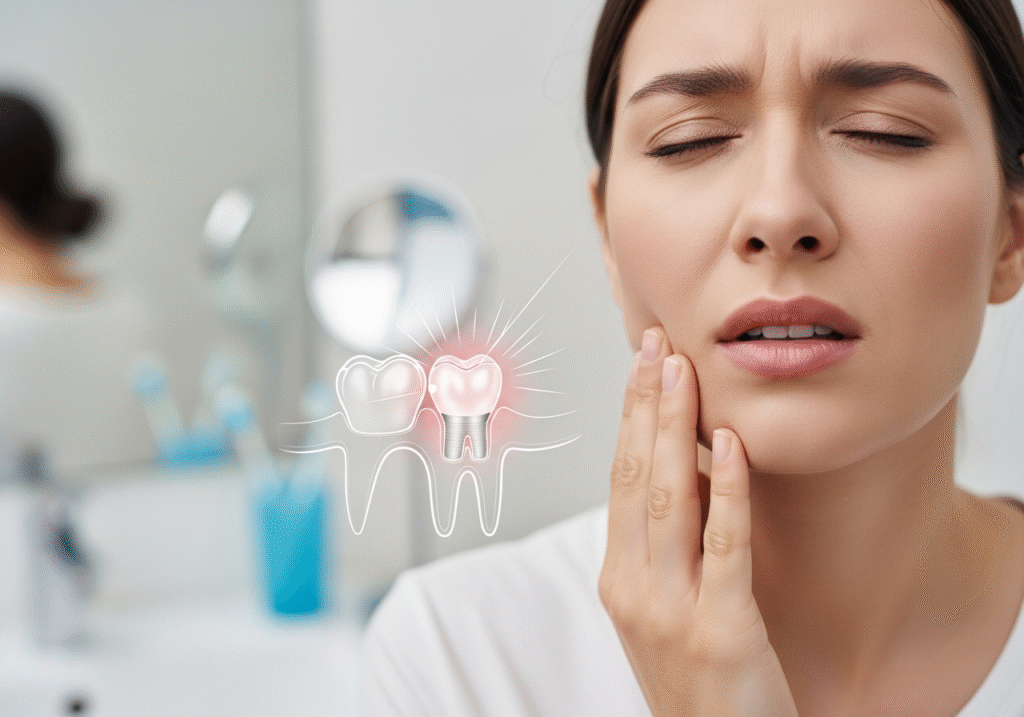
Always follow the guidance of your dentist. Your dentist can provide advice tailored to your tooth enamel, gum tissue, and overall oral health. This ensures safe eating after whitening and minimizes risks of sensitivity or staining. Professional advice combined with the tips above maximizes the longevity of your whitening treatment.
Conclusion
Knowing how long after teeth whitening can I eat normally is essential for maintaining a bright smile. Waiting 24–72 hours, avoiding staining foods, hydrating, and protecting tooth enamel and gum tissue ensures safe and effective recovery. Following these tips, managing sensitivity, and maintaining proper oral hygiene allows you to enjoy your favorite foods while keeping your smile healthy and radiant. Proper care today guarantees lasting results tomorrow.
Conclusion
Knowing how long after teeth whitening can I eat normally is key to maintaining a bright, healthy smile. Teeth are sensitive and enamel is more porous after whitening, so eating too soon can cause stains and discomfort. Stick to safe foods, avoid staining drinks, and follow dentist guidelines. With proper oral hygiene, gum tissue care, and careful timing, you can enjoy your favorite foods while keeping your teeth bright. Long-term care ensures your whitening results last and your enamel remains strong.