Many people ask, What Does A Dental Hygienist Do to maintain oral health. They provide teeth cleaning, plaque removal, oral examinations, patient education, and preventive care. Understanding their role helps patients improve hygiene, prevent dental issues, and support overall oral health through regular professional checkups and proper daily care.
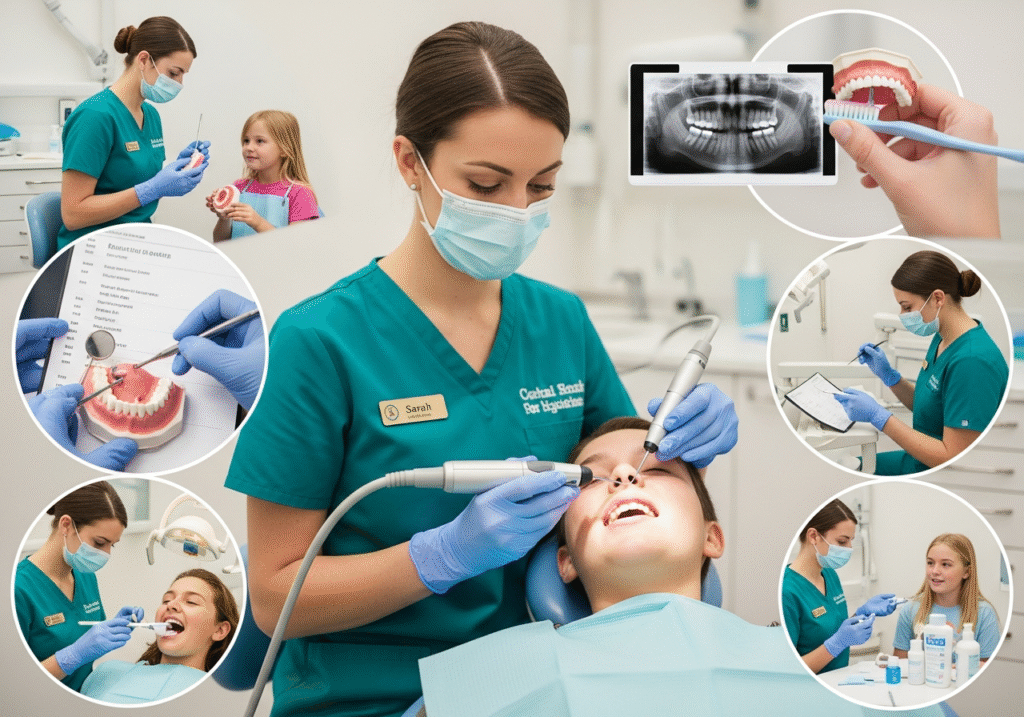
A dental hygienist plays a vital role in maintaining oral health and preventing dental problems. Many people wonder, what does a dental hygienist do, and the answer goes beyond just cleaning teeth. They perform preventive care, detect early signs of gum disease, take dental X-rays, and educate patients on proper oral hygiene. Dental hygienists also assist dentists during treatments and provide guidance on nutrition and lifestyle habits that affect teeth and gums. By combining technical expertise with patient education, they help ensure long-term dental health. Understanding their responsibilities highlights why regular visits to a hygienist are essential for overall wellness.
A dental hygienist plays one of the most important roles in modern oral health care. Many people think a hygienist only “cleans teeth,” but their responsibilities go far deeper than that. They are trained professionals who prevent disease, educate patients, detect early signs of dental problems, and support the dentist during complex procedures. Understanding what a dental hygienist does helps patients appreciate how essential they are to maintaining a healthy mouth. From removing plaque and tartar to performing oral cancer screenings, taking X-rays, giving anesthesia in certain regions, and guiding patients through proper hygiene habits, dental hygienists serve as the backbone of preventive dental care. This full article explains their duties, skills, training, tools, daily routines, work environments, salary, challenges, and how they make dentistry safer and more comfortable for patients.
What Does a Dental Hygienist Do?
Dental hygienists focus mainly on preventing oral diseases and improving patients’ dental health. While a dentist diagnoses and treats conditions, the hygienist’s job is to evaluate oral hygiene, clean teeth thoroughly, and educate patients on caring for their mouth. Their day is filled with hands-on clinical tasks, advanced assessments, patient communication, and essential record-keeping. They work closely with dentists but also independently perform procedures that require precision and understanding of oral anatomy. Their role combines science, skill, and patient interaction to create a comfortable dental experience.
The Daily Responsibilities of a Dental Hygienist
A dental hygienist’s typical day includes several core responsibilities that ensure patients receive high-quality preventive care. Their work affects long-term dental health because early detection and regular cleaning help prevent major problems.
Cleaning and Polishing Teeth
The most recognized duty of a dental hygienist is cleaning teeth. They use hand instruments and ultrasonic tools to remove plaque, tartar, and stains. Plaque is soft buildup; tartar is hardened buildup that cannot be removed by brushing alone. Polishing smooths the teeth and gives a clean, fresh feeling.
Removing Plaque and Tartar Below the Gumline
Hygienists are trained to clean not only the surface but also the areas below the gumline. This is crucial for preventing gum disease. They evaluate gum pockets and remove harmful bacteria before it leads to infection, inflammation, or bone loss.
Applying Fluoride Treatment
After cleaning, hygienists apply fluoride to strengthen the enamel. This helps prevent cavities, especially in children, teenagers, and patients with sensitive or weak enamel.
Taking Dental X-rays
Hygienists are licensed to take and process dental radiographs. X-rays help detect problems that cannot be seen with the eyes, such as hidden decay, bone loss, and impacted teeth. They position the sensors, adjust settings, and ensure patient comfort.
Administering Local Anesthesia (in some states)
In many states and countries, hygienists can administer local anesthesia to numb the gums before deep cleaning or periodontal work. This requires special certification but allows hygienists to provide more comfortable care.
Oral Cancer Screenings
Hygienists examine the tongue, cheeks, lips, gums, and throat for early signs of cancer. Early detection saves lives, making this a crucial part of their job.
Educating Patients About Oral Hygiene
One of their most valuable roles is educating patients. Hygienists teach proper brushing techniques, flossing methods, mouthwash use, diet tips, and habits that protect oral health. They explain how gum disease starts, how cavities develop, and what the patient can do to prevent problems.
Skills Required to Be a Dental Hygienist
Dental hygienists must combine technical skill, scientific understanding, and strong interpersonal communication. Their job requires precision, patience, and attention to detail.
Communication Skills
Hygienists interact with patients all day, explaining procedures, easing anxiety, and offering advice. They must communicate clearly and compassionately, especially with nervous patients.
Manual Dexterity
The mouth is a small space, and hygienists use delicate instruments. Excellent hand coordination is necessary to work safely and comfortably.
Knowledge of Dental Tools and Procedures
They must understand oral anatomy, gum disease stages, infection signs, and dental instruments. Their training helps them detect early symptoms and communicate findings to the dentist.
Patient Comfort Management
Many patients fear dental visits. Hygienists must help them feel at ease, work gently, and provide reassurance.
Equipment and Tools Dental Hygienists Use
Dental hygienists use a variety of specialized tools every day. These include hand scalers, polishers, mirrors, probes, flossing aids, and ultrasonic devices. Each tool has a specific purpose, such as removing deep tartar or detecting hidden cavities. Hygienists must understand how each tool works, how to sterilize it, and how to use it safely. They also operate digital X-ray machines, computer charting systems, and periodontal measuring tools. Their ability to handle equipment with precision ensures accurate assessments and comfortable experiences for patients. Clean instruments and proper technique also protect patients from infection.
Education and Training Requirements
Becoming a dental hygienist requires structured education and licensure. Most hygienists complete a two- or three-year accredited program, earning an associate degree in dental hygiene. Some pursue bachelor’s or even master’s degrees for advanced career paths. Coursework includes anatomy, microbiology, radiography, dental materials, and patient care. Students also practice in clinical settings under instructor supervision. After completing the program, they must pass national and state licensing exams to practice legally. Continuing education is required each year to maintain licensure and stay updated on new technology, safety protocols, and clinical techniques.
Work Environment and Schedule
Dental hygienists work in a variety of settings. The most common is private dental offices, but they may also work in hospitals, public health clinics, schools, or community outreach programs. Hygienists often have flexible schedules, sometimes working part-time or in shifts. While most work standard business hours, some dental offices offer evenings or weekend appointments, and hygienists adjust accordingly. The work environment is clean and highly regulated, with strict infection control procedures to protect both patients and staff. Dental hygienists often spend several hours on their feet, moving carefully around patients’ chairs and equipment to perform precise procedures.
How Dental Hygienists Work With Dentists
Dental hygienists are integral members of the dental team. They prepare patients for examinations, gather medical and dental histories, and perform preventive procedures. During treatments, they assist dentists by providing tools, suction, and patient comfort. Hygienists also communicate their findings to the dentist, including observations about gum health, cavities, and potential oral disease. This collaborative approach ensures comprehensive patient care. Dentists rely on hygienists to provide accurate assessments and early detection, which allows for more effective treatments and better long-term dental health outcomes.
Importance of Dental Hygienists in Preventive Care
Preventive care is the cornerstone of dentistry, and dental hygienists are on the front lines. Their work reduces the risk of gum disease, tooth decay, and other oral health issues. Regular cleanings and check-ups help catch problems early, saving patients from more invasive and costly procedures later. By educating patients on proper oral hygiene, hygienists empower individuals to maintain healthy habits at home. Studies show that patients who regularly visit dental hygienists experience lower rates of cavities and gum disease, proving the critical role these professionals play in promoting overall health.
Common Misconceptions About Dental Hygienists
Many people confuse dental hygienists with dental assistants. While both roles support dental care, hygienists have specialized education, licensure, and responsibilities focused on preventive care and patient education. Another misconception is that hygienists only clean teeth. In reality, they perform assessments, administer anesthesia in some regions, take X-rays, provide oral cancer screenings, and educate patients on dental health. Understanding the full scope of a hygienist’s role highlights their expertise and importance in dental care.
Benefits of Seeing a Dental Hygienist Regularly
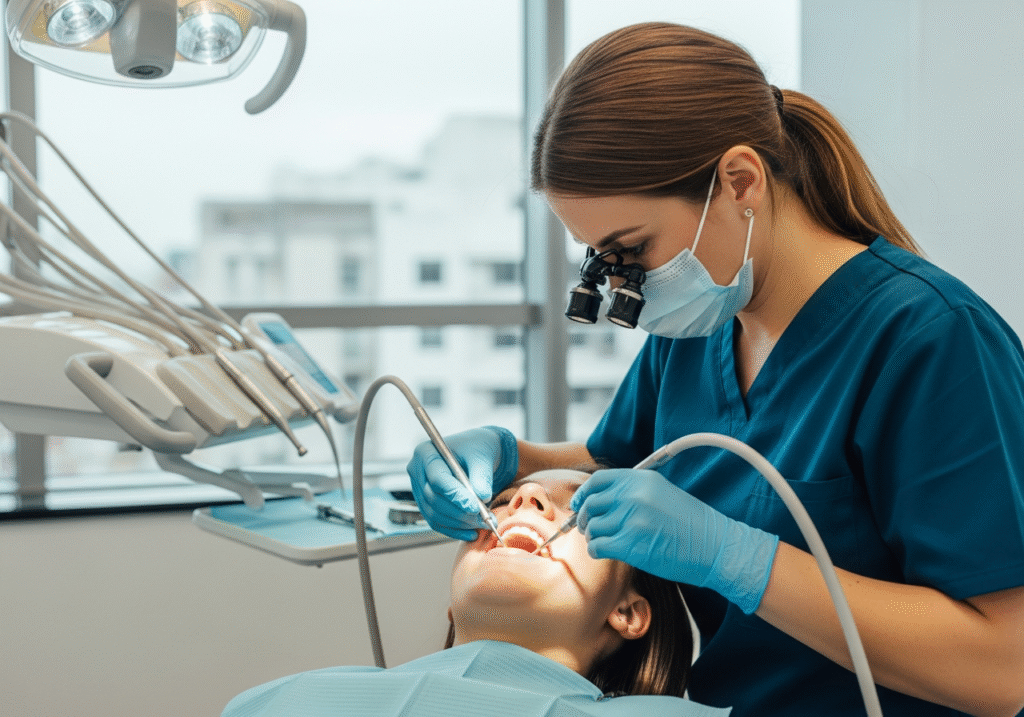
Visiting a dental hygienist regularly has numerous benefits. Routine appointments help prevent cavities, gum disease, and bad breath. Hygienists provide personalized advice, demonstrating proper brushing and flossing techniques, diet recommendations, and strategies for maintaining oral health. Early detection of oral issues allows for less invasive treatment. Patients also gain confidence and peace of mind knowing that their oral health is being monitored by trained professionals. Regular visits can lead to improved overall health, as oral conditions are often linked to systemic issues such as heart disease, diabetes, and infections.
Challenges Dental Hygienists Face
Despite their essential role, dental hygienists face several challenges. Physical strain is common due to prolonged periods of standing and performing precise movements. Working with anxious or uncooperative patients can be stressful, requiring patience and excellent communication skills. Hygienists must also stay updated on evolving dental techniques, tools, and regulations, which can be time-consuming. Additionally, balancing productivity with patient-centered care is sometimes challenging in busy dental offices. Despite these obstacles, most hygienists find their work rewarding, as they make a tangible difference in patients’ oral and overall health.
Salary, Job Outlook, and Career Growth
Dental hygienists enjoy competitive salaries and strong job prospects. In the United States, the median annual wage for dental hygienists is above $77,000, with variation based on experience, location, and type of practice. Employment is projected to grow faster than average due to increased awareness of oral health and preventive care. Career advancement opportunities exist, including roles in research, public health, education, and management. Some hygienists pursue further certifications to expand their clinical duties, such as administering local anesthesia or performing advanced periodontal treatments.
Advanced Career Paths for Dental Hygienists
Experienced dental hygienists can explore various advanced career paths. Opportunities include teaching in dental hygiene programs, conducting research, working in public health to improve community oral health, or joining dental product companies in sales and training roles. Some pursue advanced degrees to specialize in dental anesthesia, clinical education, or oral health administration. These pathways allow hygienists to influence the field of dentistry beyond individual patient care and contribute to broader public health initiatives.
Tools and Technology Used by Dental Hygienists
Dental hygienists rely on a variety of modern tools and technologies to perform their duties effectively. Traditional hand instruments such as scalers and curettes are used for removing plaque and tartar from teeth surfaces and below the gumline. Ultrasonic devices use vibrations to break down hardened deposits efficiently. Polishing tools smooth tooth surfaces after cleaning, leaving teeth shiny and smooth. Digital X-ray machines allow hygienists to capture detailed images of the teeth, roots, and bone structure, helping detect cavities, infections, or bone loss. Hygienists also use intraoral cameras, periodontal probes, and charting software to monitor patient progress and maintain detailed records.
A Day in the Life of a Dental Hygienist
A typical day for a dental hygienist begins with reviewing patient charts and preparing instruments. They greet patients, assess oral health, and perform cleanings. During each appointment, they educate patients on oral hygiene, provide preventive treatments, and take X-rays if necessary. Depending on the office, they may assist dentists with more complex procedures. The role requires balancing efficiency with patient comfort. Hygienists must maintain focus for hours, often performing repetitive tasks while ensuring precision. At the end of the day, they clean and sterilize tools, update records, and sometimes follow up with patients on treatment plans or oral health advice.
Preventive vs. Therapeutic Roles
Dental hygienists primarily focus on preventive care, but many also provide therapeutic treatments. Preventive care includes cleanings, fluoride application, oral hygiene education, and screenings for gum disease or oral cancer. Therapeutic roles may include scaling and root planing for patients with periodontal disease, applying sealants, and assisting with local anesthesia in certain regions. Both roles aim to maintain oral health, prevent complications, and ensure early intervention when problems arise. The balance between preventive and therapeutic duties depends on patient needs, office protocols, and state regulations.
Patient Communication and Education
Educating patients is one of the most impactful aspects of a hygienist’s work. They teach proper brushing and flossing techniques, explain how diet affects oral health, and provide guidance on avoiding habits that damage teeth, such as smoking. They also answer questions about dental procedures, reassure nervous patients, and encourage regular check-ups. Effective communication fosters trust and motivates patients to maintain good oral hygiene at home. Hygienists adapt their teaching style to different age groups, cultural backgrounds, and literacy levels to ensure patients understand the information and can apply it in daily life.
Common Misconceptions About Dental Hygienists
Despite their expertise, dental hygienists are often misunderstood. A frequent misconception is that they are “just assistants” or only clean teeth. In reality, they perform advanced clinical procedures, assess oral health, detect early signs of disease, and educate patients. Another misconception is that hygienists cannot administer anesthesia or take X-rays. While regulations vary by state, many licensed hygienists are trained and certified to perform these tasks safely. Recognizing the full scope of their work highlights the critical role hygienists play in preventive and therapeutic dental care.
Challenges Faced by Dental Hygienists
While rewarding, the career comes with challenges. Hygienists often spend hours standing or leaning over patients, which can lead to back, neck, or wrist strain. Managing anxious or uncooperative patients requires patience and strong interpersonal skills. Balancing efficiency with quality care can be stressful in busy practices. Keeping up with continuing education, new technologies, and evolving best practices adds additional responsibility. Despite these challenges, many hygienists find the work fulfilling due to the tangible impact they have on patients’ oral and overall health.
Salary and Job Outlook
Dental hygiene is a stable and well-compensated profession. According to recent statistics, the median salary for dental hygienists in the U.S. is around $77,000 per year, with variations based on location, experience, and type of practice. The demand for dental hygienists is projected to grow faster than average, fueled by increased awareness of preventive care and the aging population. Full-time and part-time positions are widely available, with opportunities for flexible schedules. The combination of strong job growth, competitive pay, and meaningful work makes dental hygiene an attractive career choice.
Advanced Career Opportunities
Experienced dental hygienists can pursue advanced roles in education, public health, research, and administration. Teaching opportunities allow hygienists to train future professionals. Public health roles focus on community education and improving oral health for underserved populations. Research positions involve studying dental disease prevention, new technologies, and treatment methods. Some hygienists transition into management roles or dental sales and training. Advanced certifications in areas like local anesthesia, periodontal therapy, or laser dentistry expand their clinical scope and increase earning potential.
Education and Training Requirements
Becoming a dental hygienist requires formal education and licensure. Most hygienists complete an accredited associate degree program in dental hygiene, which typically takes two to three years. Coursework includes anatomy, physiology, microbiology, radiology, oral pathology, and dental materials. Clinical training is also essential, allowing students to practice cleanings, X-rays, and patient education under supervision. Some hygienists pursue bachelor’s or master’s degrees for advanced opportunities in research, public health, or education. After graduation, passing national and state licensing exams is mandatory. Continuing education ensures hygienists stay current with evolving technologies, procedures, and safety standards in dentistry.
Licensing and Certification
Dental hygienists must obtain a license to practice legally. Licensing requirements vary by state or country but generally include passing written and clinical exams. Some states allow expanded duties, such as administering local anesthesia or nitrous oxide, which require additional certification. Professional organizations, like the American Dental Hygienists’ Association (ADHA), offer resources, continuing education courses, and networking opportunities. Certifications demonstrate expertise and can enhance career prospects, allowing hygienists to take on specialized procedures and advance into leadership or educational roles.
Patient Assessment and Record-Keeping
Dental hygienists meticulously document every patient visit. They record oral health findings, gum measurements, plaque levels, X-ray results, and recommended treatments. These records are essential for tracking patient progress and assisting the dentist in treatment planning. Detailed documentation also ensures compliance with legal and insurance requirements. Hygienists assess overall oral health, note any signs of disease, and communicate findings to both the patient and dentist. Accurate record-keeping enhances patient care, improves treatment outcomes, and maintains a high standard of professional accountability.
Preventive Dental Care Techniques
Preventive care is the cornerstone of a dental hygienist’s work. Regular cleaning removes harmful bacteria, preventing cavities and gum disease. Hygienists apply fluoride and dental sealants to protect teeth, educate patients on nutrition and oral habits, and teach proper brushing and flossing techniques. Early detection of oral issues such as gingivitis, periodontitis, and oral lesions can prevent severe complications. Preventive care not only improves oral health but also contributes to overall systemic health, as studies link poor dental hygiene to heart disease, diabetes, and other conditions. Hygienists empower patients to take proactive steps toward lifelong oral wellness.
Working with Special Populations
Dental hygienists often care for patients with unique needs. Children require guidance on brushing, flossing, and dental habits. Older adults may face gum recession, tooth loss, or dentures, requiring specialized care. Patients with disabilities or chronic illnesses need tailored approaches to ensure safety and comfort. Hygienists also educate pregnant patients about oral health and its impact on maternal and fetal health. Working with diverse populations requires adaptability, patience, and excellent communication skills, ensuring all patients receive effective, compassionate care.
Common Procedures Performed by Dental Hygienists
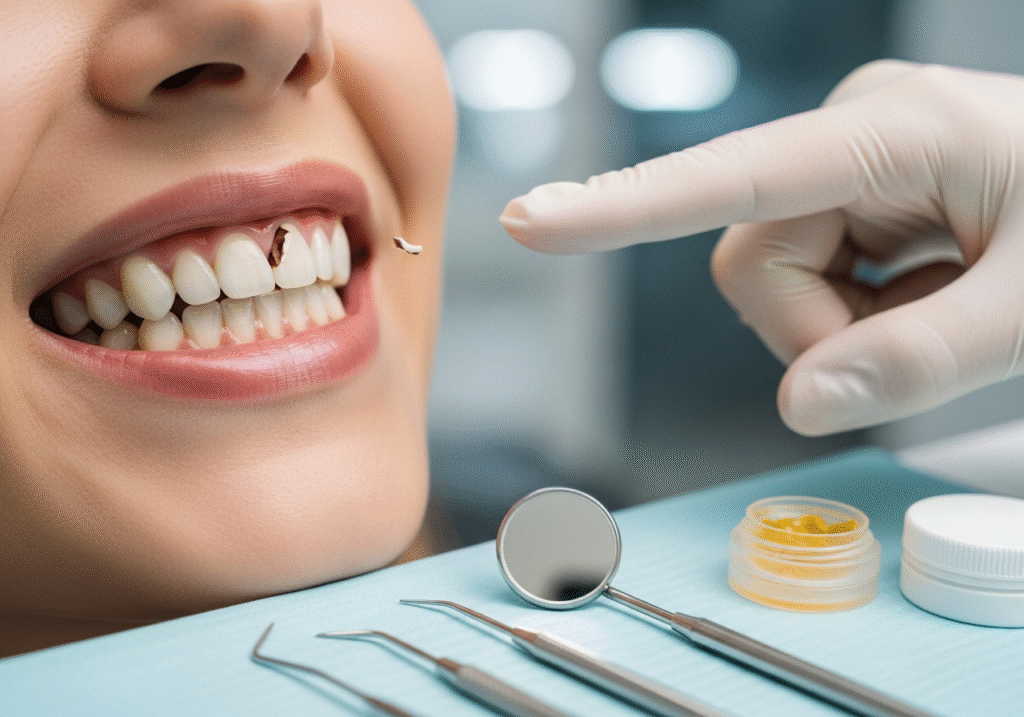
Dental hygienists perform a wide range of procedures. These include:
- Scaling and root planing for gum disease
- Polishing teeth to remove stains
- Fluoride application
- Sealant placement to protect molars
- Periodontal charting
- Oral cancer screening
- Taking dental impressions
- Radiography and imaging
Each procedure requires technical skill, attention to detail, and patient-centered care. Hygienists follow strict infection control protocols to maintain a safe environment for both patients and staff.
Communication Skills in Dental Hygiene
Strong communication skills are essential for a successful dental hygienist. They explain procedures clearly, answer patient questions, and alleviate fears. They must also educate patients on oral health habits, dietary considerations, and the importance of regular check-ups. Hygienists adjust their communication style to suit different age groups, literacy levels, and cultural backgrounds. Effective communication builds trust, improves patient compliance, and enhances overall treatment outcomes. It also fosters a positive patient experience, making dental visits less stressful and more informative.
The Role of Technology in Modern Dental Hygiene
Technology has transformed dental hygiene. Digital X-rays reduce radiation exposure and provide immediate results. Intraoral cameras allow patients to see their own teeth, making education more effective. Electronic health records streamline documentation and improve accuracy. Ultrasonic scalers remove plaque efficiently, and lasers assist with periodontal treatments. Hygienists must stay updated on emerging technologies to provide optimal care. Integrating technology improves efficiency, accuracy, and patient comfort, while enabling hygienists to deliver high-quality preventive and therapeutic care.
Workplace Safety and Infection Control
Dental hygienists follow strict infection control procedures to protect both patients and themselves. They use personal protective equipment (PPE) such as gloves, masks, and eye protection. Sterilization of instruments, proper disposal of sharps, and surface disinfection are essential daily practices. Hygienists also follow guidelines for handling bloodborne pathogens and maintain a clean clinical environment. These precautions prevent the spread of infections, ensure patient safety, and comply with federal and state regulations. Safety is not optional; it is an integral part of professional dental hygiene practice.
Patient Comfort and Anxiety Management
Many patients experience anxiety during dental visits. Dental hygienists are trained to recognize signs of fear and respond appropriately. Techniques include explaining each step, using gentle touch, providing breaks during procedures, and offering relaxation methods. Hygienists often build long-term relationships with patients, helping reduce anxiety over time. Managing patient comfort improves cooperation, allows procedures to be completed efficiently, and ensures a positive experience. Patient-centered care emphasizes empathy, patience, and reassurance throughout every dental appointment.
Professional Development and Continuing Education
Dental hygiene is a dynamic field that requires ongoing learning. Hygienists attend workshops, seminars, and certification programs to stay current with evolving techniques, equipment, and research. Continuing education is mandatory for maintaining licensure in most regions. Topics may include advanced periodontal therapy, laser dentistry, radiology updates, and patient management strategies. Ongoing professional development ensures hygienists provide safe, effective, and modern care while opening opportunities for career growth in specialized areas or leadership roles.
Career Advancement Opportunities
Experienced dental hygienists can expand their careers beyond clinical practice. Options include teaching at dental hygiene programs, conducting research, working in public health or community outreach, and assuming management positions in dental offices. Some pursue advanced certifications in anesthesia, laser dentistry, or periodontal therapy. Additionally, hygienists can work in dental product sales, training, or consulting. Career advancement allows professionals to influence oral health care practices, contribute to public education, and take on leadership roles within the dental community.
Salary and Job Outlook
Dental hygienists enjoy competitive salaries and strong employment prospects. According to the U.S. Bureau of Labor Statistics, the median annual wage for dental hygienists is approximately $77,000, with top earners exceeding $100,000. Job growth is projected at 11% over the next decade, faster than the average for all occupations. Factors influencing salary include experience, geographic location, workplace type, and additional certifications. With high demand, flexible schedules, and opportunities for part-time or full-time work, dental hygiene is a rewarding and sustainable career path.
Impact on Overall Health
Dental hygienists contribute not only to oral health but also to overall systemic health. Poor oral hygiene is linked to heart disease, diabetes, respiratory infections, and pregnancy complications. By preventing gum disease, cavities, and oral infections, hygienists help reduce these systemic risks. They educate patients about the connection between oral care and overall wellness, emphasizing preventive measures to maintain long-term health. Regular visits to a dental hygienist are essential for monitoring, early detection, and intervention, which can improve both oral and general health outcomes.
Common Misconceptions About Dental Hygienists
Despite their expertise, dental hygienists are often misunderstood. Some people believe they are simply dental assistants, but hygienists are licensed professionals with specialized training. Others think they only clean teeth, whereas their responsibilities include patient education, disease prevention, screenings, and advanced treatments. By correcting these misconceptions, patients can better appreciate the value of dental hygienists and understand why their role is vital in maintaining oral and overall health.
FAQs About Dental Hygienists
What is the difference between a dentist and a dental hygienist?
A dentist diagnoses and treats oral diseases, while a hygienist focuses on prevention, cleaning, and patient education.
How long does it take to become a dental hygienist?
Typically, 2–3 years for an associate degree; additional certifications may take extra months.
Can hygienists administer anesthesia?
Yes, in certain states with proper certification.
Do hygienists work independently?
They perform many procedures independently but collaborate closely with dentists for treatment planning.
How often should I visit a dental hygienist?
Every 6 months is standard, but frequency may vary based on oral health needs.
What tools do dental hygienists use?
Scalers, polishers, mirrors, probes, X-ray equipment, and ultrasonic devices.
Is dental hygiene a physically demanding job?
Yes, it requires standing, bending, and precise hand movements for several hours per day.
Can dental hygienists specialize?
Yes, in areas like periodontal therapy, public health, education, and research.