Many patients wonder How Long Do Dental Crowns Last and what affects their durability. Lifespan depends on materials, oral hygiene, and habits like teeth grinding. Understanding tooth restoration, dental materials, bite force, oral care, and crown maintenance helps ensure crowns remain functional, strong, and aesthetically pleasing for many years with proper care.
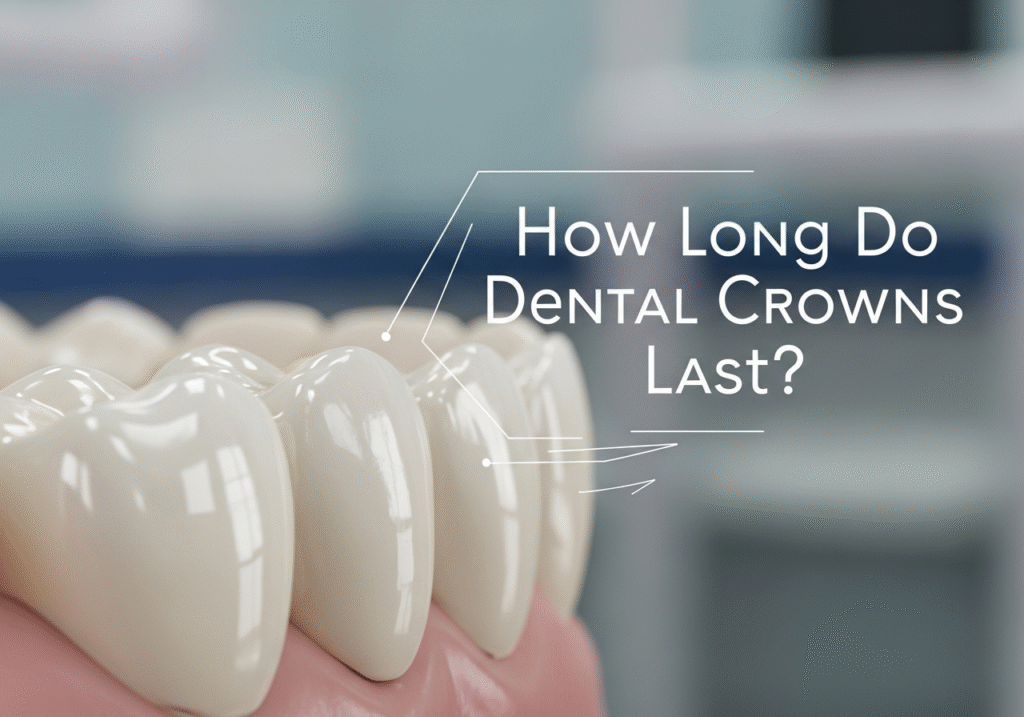
Dental crowns are a common solution for restoring damaged or weakened teeth. Many people wonder, how long do dental crowns last, and the answer depends on several factors, including the crown material, oral hygiene habits, and daily wear. Some crowns, like metal crowns, can last over 20 years, while porcelain or ceramic crowns may last 10–15 years if properly cared for. Factors such as teeth grinding, diet, and dentist skill can also affect crown longevity. Understanding these aspects helps you maintain your dental restoration effectively. In this article, we will explore crown types, lifespan, care tips, and replacement signs.
Dental crowns are one of the most common and effective dental treatments. They restore damaged teeth, improve appearance, and help maintain proper chewing function. A crown acts as a protective cover, strengthening a tooth that may be weakened by decay, root canal treatment, or trauma. Many people wonder, how long do dental crowns last, and whether they can be permanent. The truth is that crown longevity depends on several factors including the type of material, oral hygiene, diet, and even habits like teeth grinding. Understanding these factors is essential for anyone considering or already having a crown.
Crowns not only enhance your smile aesthetics but also prevent further damage to the underlying tooth. With proper care, dental crowns can last for decades, saving you from repeated procedures. However, neglecting oral hygiene or choosing the wrong material can shorten their lifespan significantly. This article explores everything you need to know about dental crowns, including their types, lifespan, maintenance tips, costs, insurance coverage, and patient experiences.
What Are Dental Crowns?
Dental crowns are tooth-shaped caps placed over damaged or weakened teeth. They fully cover the tooth above the gum line, providing strength, protection, and aesthetics. Crowns are used for multiple purposes:
- Protecting a tooth after root canal treatment.
- Restoring a broken or chipped tooth.
- Improving the appearance of discolored or misshaped teeth.
- Supporting a dental bridge.
Types of Dental Crowns
Dental crowns are made from various materials, each with unique properties and lifespan. Understanding the differences helps you make an informed decision:
- Metal Crowns: Made from gold, platinum, or base metals, these are extremely durable and long-lasting. They are less visible but very strong, making them ideal for back teeth.
- Porcelain Crowns: These provide a natural tooth color and are aesthetically pleasing. However, they are less durable than metal crowns and may chip or wear down faster.
- Zirconia Crowns: Made from high-strength ceramic, zirconia crowns combine strength and natural appearance. They are resistant to fracture and wear.
- Ceramic Crowns: Ideal for front teeth, they look natural but are not as strong as zirconia or metal crowns.
Average Lifespan of Dental Crowns
The lifespan of a dental crown depends on its material, placement, and how well it is maintained. Here’s a general guide:
| Crown Type | Average Lifespan |
| Metal | 10–20 years |
| Porcelain | 5–15 years |
| Zirconia | 15–25 years |
| Ceramic | 10–15 years |
Metal crowns generally last the longest due to their durability, while porcelain and ceramic crowns may chip or wear down faster. Zirconia crowns are increasingly popular because they offer both strength and aesthetics, lasting well over a decade with proper care.
Factors That Affect Crown Longevity
Several factors determine how long a crown will last. Understanding these can help you extend its lifespan:
1. Oral Hygiene
Maintaining good oral hygiene is crucial. Brushing twice daily with fluoride toothpaste, flossing, and using an antiseptic mouthwash help prevent decay around the crown. Even the strongest crown can fail if the underlying tooth develops cavities or gum disease.
2. Diet and Eating Habits
Chewing hard foods like ice, nuts, or hard candy can crack or damage crowns. Sugary and acidic foods may promote decay at the crown’s margins. Maintaining a balanced diet and avoiding excessive hard foods protects your crown.
3. Teeth Grinding (Bruxism)
People who grind or clench their teeth place excessive pressure on crowns, leading to fractures or loosening. Wearing a nightguard can prevent damage and prolong crown life.
4. Location of the Crown
Crowns on back teeth endure more chewing force, while front teeth endure less stress. This affects the longevity of crowns, with back teeth crowns often wearing down faster if not made from durable materials.
5. Dentist Skill and Procedure Quality
A crown’s lifespan also depends on the precision of the dentist during preparation and placement. Proper fitting and bonding prevent complications like decay or crown loosening.
Signs Your Crown Needs Replacement
Even with proper care, crowns may need replacement after years of use. Common signs include:
- Pain or sensitivity when biting or chewing
- Chipping or cracking of the crown
- Looseness or wobbling
- Discoloration or a dark line near the gum
- Gum inflammation around the crowned tooth
Regular dental checkups help detect issues early and prevent complications like infection or damage to the underlying tooth.
How to Extend the Life of Your Dental Crown
You can significantly increase the lifespan of your dental crown with the following tips:
- Brush twice daily with a soft-bristled toothbrush
- Floss carefully around the crowned tooth
- Avoid chewing hard foods and sticky candies
- Wear a nightguard if you grind your teeth
- Visit your dentist regularly for cleanings and checkups
- Use fluoride toothpaste to strengthen the tooth
- Avoid using the crowned tooth as a tool to open packages
Cost of Dental Crowns and Insurance Coverage
The cost of dental crowns varies depending on the material and location. On average:
- Metal crowns: $800–$2,500
- Porcelain crowns: $800–$3,000
- Zirconia crowns: $1,000–$3,500
- Ceramic crowns: $800–$2,500
Dental insurance may cover part of the cost if it’s medically necessary, but cosmetic crowns often have limited coverage. Always confirm coverage with your insurance provider.
Patient Experiences and Case Studies
- John, 45: “I have a gold crown on my molar for 15 years, and it’s still strong. I brush and floss daily, which makes a huge difference.”
- Maria, 32: “My porcelain crown on the front tooth lasted 10 years before chipping. I learned to avoid biting hard objects.”
- David, 50: “My zirconia crown on a back tooth has lasted 18 years. It looks natural and feels strong.”
These examples show how crown material, care, and habits impact longevity.
Common Myths About Dental Crowns
- Myth 1: Crowns last forever. Reality: Crowns can last many years but not indefinitely.
- Myth 2: All crowns are the same. Reality: Material, location, and dentist skill affect durability.
- Myth 3: Crowns require special care beyond normal oral hygiene. Reality: Standard brushing, flossing, and dental visits are sufficient.
- Tips to Extend the Life of Your Dental Crown
Dental crowns are durable, but their lifespan depends on care, habits, and oral hygiene. Following the right tips can help you get the most out of your crown and prevent early damage. Here’s how to ensure your crown lasts as long as possible.
1. Maintain Excellent Oral Hygiene
Brushing and flossing are essential. Use a soft-bristled toothbrush and fluoride toothpaste to clean around the crown daily. Floss carefully at the crown margin to remove plaque. Neglecting oral hygiene can lead to decay under the crown, gum disease, or crown failure. Rinsing with an antibacterial mouthwash can provide extra protection.
2. Avoid Hard and Sticky Foods
Biting ice, hard candy, or nuts can crack or chip a crown. Sticky foods like caramel may loosen the crown over time. Be mindful of what you chew, especially in the first few months after crown placement. Front teeth crowns are more prone to cosmetic damage, while back teeth endure heavy chewing pressure.
3. Use a Nightguard if You Grind Your Teeth
Bruxism, or teeth grinding, can wear down or fracture crowns. If you grind your teeth at night, wearing a custom-made nightguard protects your crown and prevents damage to surrounding teeth. Your dentist can help fit one specifically for your bite.
4. Visit Your Dentist Regularly
Routine dental checkups every six months help detect problems early. Dentists can check for loose crowns, decay, or gum issues. Professional cleanings also remove plaque that regular brushing may miss, keeping your crown and surrounding teeth healthy.
5. Avoid Using Your Teeth as Tools
Many people use teeth to open packages, tear tape, or bite nails. This can put unnecessary pressure on crowns, causing fractures or loosening. Always use proper tools instead of your teeth to prevent damage.
6. Limit Sugary and Acidic Foods
Sugary and acidic foods contribute to decay at the crown margin and weaken surrounding enamel. Drink water after consuming sugary drinks and rinse your mouth. Eating a balanced diet rich in vegetables, proteins, and calcium supports healthy teeth and crown longevity.
7. Be Cautious with Teeth Whitening
Crowns do not respond to whitening treatments. Using harsh whitening products near crowns may cause color mismatch. If you plan whitening, consult your dentist to avoid uneven shades between your natural teeth and crowns.
8. Protect Your Crown During Sports
If you play contact sports, wear a mouthguard to prevent impact damage. Even strong crowns can fracture under heavy force. Mouthguards are an easy way to protect both crowns and natural teeth.
9. Address Problems Immediately
If your crown feels loose, chipped, or causes discomfort, contact your dentist immediately. Early intervention can prevent further damage or infection, saving you from a costly replacement.
10. Choose the Right Crown Material for Longevity
Different materials last different periods. Metal and zirconia crowns last the longest, while porcelain and ceramic are more prone to chipping. Discuss material options with your dentist to choose the best crown for your location, habits, and lifestyle.
Summary:
Proper care, oral hygiene, cautious eating, and regular dental visits can make your dental crown last 10–25 years or more. Following these tips not only protects your crown but also ensures the underlying tooth and gums remain healthy. Investing time in maintenance today will prevent costly dental problems tomorrow.
FAQs
1. Can dental crowns fail?
Yes, crowns can fail due to decay, fracture, or gum disease.
2. Are crowns permanent?
Crowns are long-lasting but may need replacement after 5–25 years depending on material and care.
3. How do I know if my crown is damaged?
Look for pain, sensitivity, looseness, chipping, or discoloration.
4. Can crowns be whitened?
No, crowns do not respond to whitening treatments.
5. How often should I visit my dentist?
Every six months for checkups and cleanings to ensure crown health.
Conclusion
Dental crowns are an excellent solution for restoring damaged or weakened teeth. Their lifespan ranges from 5 to 25 years depending on material, care, and habits. Maintaining good oral hygiene, avoiding hard foods, wearing a nightguard if needed, and visiting your dentist regularly can greatly extend crown life. Understanding how long dental crowns last helps you plan for future dental care and maintain a healthy, strong smile for years. Whether you have metal, porcelain, zirconia, or ceramic crowns, proper care ensures you get the most out of your dental investment.