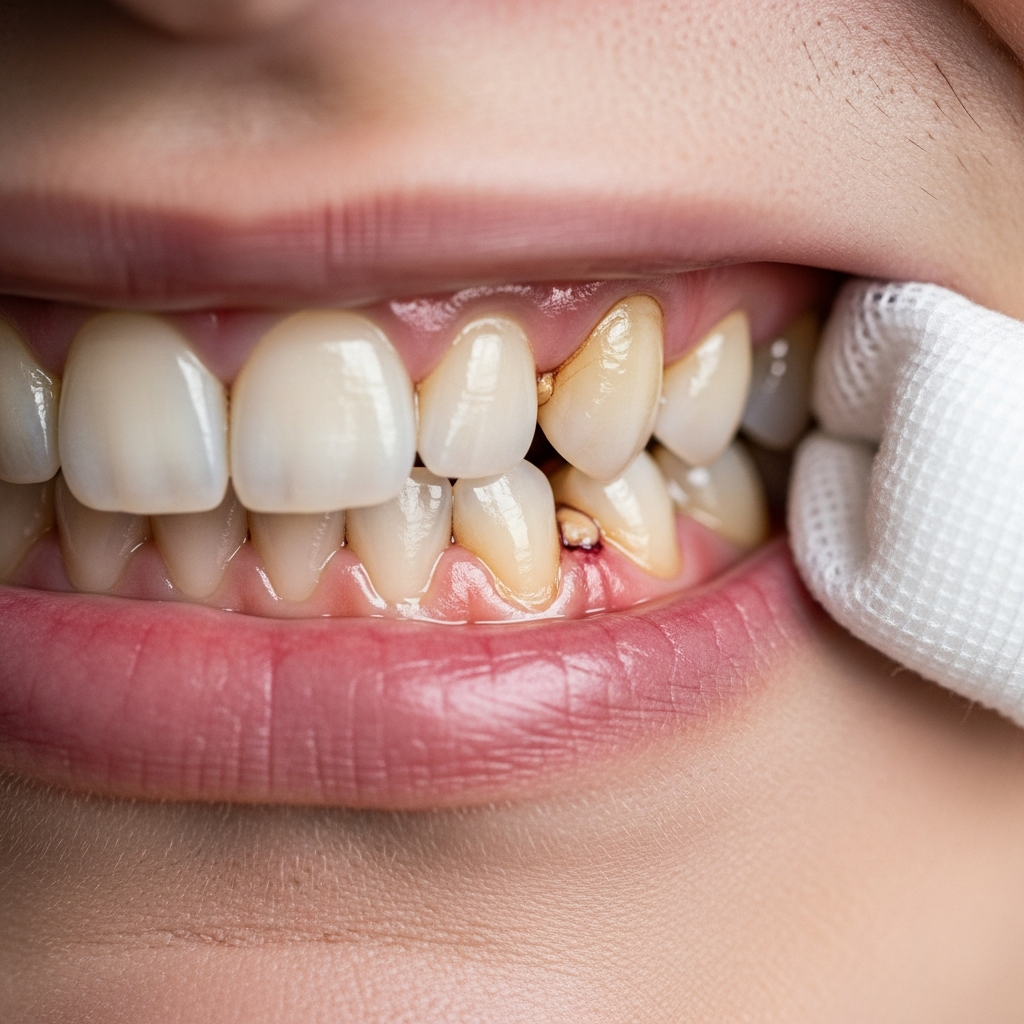
Visiting the dentist can be stressful, especially when you know a procedure may require local anesthesia. Many patients wonder how long does dental numbing last and what to expect after injections. Understanding the duration of lidocaine or articaine numbing helps you plan eating, speaking, and daily activities safely. Numbness from a dental procedure affects lips, tongue, and cheeks, making it important to avoid accidental bites. Factors like the type of dental procedure, the anesthetic used, and your metabolism influence how long the numbing sensation will persist. Knowing these details reduces anxiety and ensures a safe, comfortable recovery after dental treatment.
Knowing how long a dental numbing last is something that every patient at the dentist should be aware of. Dental appointments with procedures like fillings, tooth extractions and root canals and wisdom teeth removal can be intimidating, especially for those who dread pain. Local anesthetic keeps these procedures from hurting, but it does mean that a portion of your mouth is numb for a while. Patients commonly ask when the numb feeling will end, when it will be safe to eat or drink and how long until normal feelings, such as talking, chewing or tasting return. Knowing what to expect helps decrease anxiety, prevents unintended harm and makes recovery more predictable.
Dental numbing works by temporarily preventing the nerves in that part of your mouth from sending pain signals to your brain. This enables the dentist to work without hurting you. It takes minutes for the effects to start taking place, but when they do, tingling will give away to numbness. Numbness is temporary — but lasts longer than many patients would expect. Avoid biting your lips, tongue, or cheeks during this time, since you could bite them inadvertently. Knowing for how long you can expect the absence to be prepares your in advance and helps you prepare through your day.
What Is Novocain and Why Is It Used for Dental Numbing
Dental numbing, or local anesthesia, is drug that stops the nerves in a specific part of teeth and mouth from sending pain signals. Dentists who perform fillings, root canals, gum treatments and tooth extractions all use it. Once the antagonist are placed, nerves cannot send painful signals to the brain. Within a couple of minutes, patients commonly begin to feel some tingling that intensifies into numbness. Comfortable procedures Many of us have to experience what we physically can’t see, hear or feel until the waiting room door opens. Without it, even standard procedures can be painful and generate anxiety.
While numb, people may be unable to speak clearly or eat safely. Your mouth may be unable to feel heat, so drinking hot beverages or eating hot foods can lead to burns. It’s easy to accidentally bite your cheek or tongue if you are not extra careful. The sensation will usually last a few hours however its duration depends greatly on the type of anesthetic you receive, the exact location at which it was administered and your own body such as metabolism, age etc. Knowing this can assist you in planning recovery and preventing injury.
Types of Dental Numbing Agents
There are some different types of local anesthesia that the dentist will use, depending on what type of procedure is being done, a person’s health condition and anticipated time that area would remain numb. The most popular anesthetic, lidocaine tends to be fast-acting and effective for regular fillings, as well as simple extractions and cleanings. Lidocaine typically provides soft tissue anesthesia lasting from 2-4 hours and pulpal (tooth) anesthesia for approximately 1-3 hours. It is commonly favored due to its efficacy, predictability, and safety in most patients.
Articaine is another anesthetic that is widely used, and this has high penetration in soft tissue and bone. On an average articaine onset is a little faster than lidocaine It may last longer on the based of dosage and quintessence. It’s commonly deployed in procedures that demand deep desensitization, like molar extractions or very tricky fillings. Bupivacaine is a long-acting numbing medication, typically used for surgical procedures or when longer-lasting numbness is desired to manage pain after surgery. This sedation can last approximately six to eight hours, leaving patients with little discomfort once the anesthetic has worn off.
Anesthetist selects the anesthetic depending on the type of treatment, way of injection and previous history of patient. In some instances the patient may be allergic to certain anesthetic agents, which is very uncommon. Moreover, when chosen thoughtfully, they can be effective as well as safe. The kind of anesthetic can influence how long dental numbing lasts, which is why it’s helpful to speak with the dentist about your options prior to the procedure.
What Causes The Numbing To Last Longer?

There are a few things that affect how long your mouth stays numb. First, the amount of anesthetic is key. Higher doses typically have longer durations due to more anesthetic present in the tissues available for uptake over time. The site is also important. Poor areas with a lot of nerves, for example in your lower molars will stay numb longer than softer tissues like the front teeth. Also, bloodflow in the area plays a role in absorption: areas with low blood flow keep it there longer.
Personal metabolism plays a big part in how soon numbness subsides. If metabolism is high, the patient may metabolize the anesthetic at a faster rate, and conversely if it is lower they will need longer to wear off. Your age, weight and general health matters too. The inclusion of vasoconstrictors like epinephrine in the anesthetic can prolong the loss of sensation by narrowing blood vessels, slowing the removal of the drug from the area. Even anxiety levels can affect numbness: stress can influence blood flow and metabolic rates, subtly altering how long anesthesia lasts.
Average Time Frame: How Long Will You be Numb?
Numbness usually lasts a few hours, depending on the anesthesia used and which surgery was performed. Routine dental cleanings could cause a little anesthetic that may lead mild numbness from one to two hours. Extractions, particularly of molars, can result in numbness that persists for two to four hours. Root canals usually need deep anesthesia, two, four hours, if not longer. In surgical circumstances, such as wisdom tooth removal, these longer-lasting anesthetics (commonly bupivacaine) are used to create a longer period of numbness in the mouth for 6–8 hours or more.
Numbness usually fades gradually. Surface areas, such as lips and cheeks, are likely to regain sensation more quickly than deeper tissues like gums or tooth roots. This phased return is normal. Patients may feel numbness or tingling, a sense of being pricked by pins, or mild muscle soreness after the nerve begins to work again. Knowing these general timeframes will assist patients in being able to plan meals, talking and daily activities safely.
Signs Numbness Is Wearing Off
While dental numbness is starting to wear off, there is a tingling or pins-and-needles sensation first. This superficial to deeper sequence of return is not just lips, because the cheeks and tongue can also be sensory returning before underlying tissues. Sensations of pressure will typically fade after the first week; however patients may feel a heightened sensitivity to touch or temperature. This is to be expected, and reflects that the anesthetic solution is dissipating from the tissue.
Patients should take extra care during this period. Don’t Chew on the Infected Side of Your Mouth, Test Hot and Cold Foods Gently and Speak Slowly Don’t chew on the side of your mouth with a temporary crown or bridge in place. Watching for these signals prevents accidental bites or burns as the anesthetic effect diminishes.
Managing Numbness After a Procedure
Managing numbness safely is crucial. Hot beverages or foods should be avoided until feeling has returned completely. One should eat soft foods, take small bites in order to avoid cutting the inside of the mouth. Hydration is key, as drinking water will aid in the metabolism of the anesthetic. Mild chewing and facial movements will improve circulationm, returning you to normal 3-5 days sooner, but do not overdo it. Being calm and relaxed will also help your body eliminate the anesthetic quickly.
Patients should contact their physician’s office if uncommon symptoms develop (e.g., persistent numbness, swelling and/or pain). These may require professional evaluation. It is important to follow your dentist’s aftercare advice in order to ensure a smooth and trouble-free recovery. Knowing the appropriate treatment for these conditions will help patients participate in everyday activities without fear of damage or injury.
Possible Complications or Prolonged Numbness
Numbness dissipates as muscles relax over time, usually within a few hours. At times, though rarely, that numbness may persist over time. This may result from irritation to the nerves, inadvertent injection near a nerve or the use of a long-acting anesthetic. If there is numbness lasting for longer than six to eight hours, or if the nerve sensations feel abnormal, your dentist should be phoned.
Allergies are uncommon, but they can occur. A severe reaction would include swelling, trouble breathing or a lot of pain. The vast majority of prolonged numbness is transient and passes without any longstanding detrimental effects. Safety and comfort as you know what to do if something out of the ordinary arises.
How to make numbness go away safely
Patient can help numbness wear off in the gentlest way possible. Appliance of a warm compress over the jaw promotes the circulation of blood, which may aid in the faster resolution of anesthetic. The massage of the supporting musculature and gentle jaw movements encourage circulation without injury. It nourishes metabolism and supports the excretion of the anesthetic. Do not apply direct pressure to the injection site, or use any of these unapproved remedies. These approaches can safely facilitate recovery but minimise both discomfort and risk of harm.
Numbness Duration for Different Procedures

How long you are numb depends on the specific dental procedure. Bare fillings sometimes leave your mouth numb for 1-3 hours. Numbing from either tooth extraction or root canal tends to last 2-4 hours. Surgery, such as extraction of wisdom teeth, may also necessitate the use of long-lasting anesthetics that cause numbness for six to eight hours or longer. Every patient’s time-frame is a little different, depending on the anesthetic they received, the procedure and one’s metabolism – age and general health in particular.
Common Myths About Dental Numbing
Many myths surround dental anesthesia. One such fallacy is that insensibility must in two hours thaw. In fact, duration is dependent on the type of anesthetic and patient’s attributes. Another myth is that a problem is always at hand if the numbness lasts for long periods. Occasional nerves injuries are uncommon, however the majority of prolonged numbness is temporary. Knowing these facts helps to manage patient expectation and reduce anxiety during dental treatment.
When to Call Your Dentist
If abnormal insensitivity of an area continues, this also should be reported to your dentist; and if any weakness, tingling or spreading numbness becomes noticeable you are in contact with the doctor. Three additional funny positions in bedIDK bout you, but my vagina is over my pregnant self and turning to an unfriendly shade of blue!:p Your sprouting angel head will be worth both! If he’s dropped at 35wks it could happen soon. Although prolonged numbness is generally harmless, who doesn’t want reassurance and safety?
How to get ready for a visit to the dentist
Preconditioning might also lead to increased comfort and enhanced to cope with numbness. 2.) Ask your dentist what anesthetic will be used and how long you’ll be numb. To make it more tolerable: Eat and drink appropriately before your treatment as well as schedule rest time after the appointment, and carry some soft foods if needed. Following post-care guidelines and getting ready in advance will make the experience manageable, safe and much more comfortable.
Real Patient Experiences
Experience with dental anesthesia is highly variable among patients. Some experience numbness for just a few hours after a filling; others are left with a numb mouth for six to eight hours following the removal of wisdom teeth. The type of anesthetic used, amount of anesthesia injected, where it was injected and the body’s metabolism all contribute to how long the numbness will last. Discussing them helps new patients know what to expect and reduce anxiety.
Conclusion
Dental anesthesia is a safe, even vital aspect of contemporary dental care. Understanding how long does dental numbing last helps patients to schedule meals, talking and activities during the day without risking injuring themselves. Numbness usually persists for one to five hours, depending on the surgery performed and type of anesthetic agent used. Healing is a slow process and tingling is to be expected when the feeling in your skin starts returning. However, adhering to safety guidelines and contacting your dentist if numbness lasts too long can help to prevent complications and make for an easy recovery. Knowledge of dental anesthetics leads to less apprehension when going for appointments, and knowing how to get through the phase of time when your mouth becomes numb is easy. How Long Does Dental Numbing Last It is important that everyone who has a visit to the dentist knows. Dental work like fillings, tooth pulls, root canals or wisdom teeth removals can be frightening for even the most literal pain averse patient. Local anesthesia guards against pain during these treatments, but it also leaves areas of your mouth feeling numb for hoursin some cases, well into the next day. Patients commonly want to know when the numbness will dissipate, when it will be safe to eat or drink and when they can expect normal sensations for talking, chewing or tasting. Knowing what to anticipate brings the anxiety level down, avoids accidental injury and aids in recovery.
Dental numbing agents disable nerves for a short period of time and prevent them from transmitting pain signals in a targeted region of your mouth. This keeps the dentist from hitting a nerve and creating pain. The action is generally effective in a few minutes from its administration, the first signs of it being tingling which passes into complete anaesthesia. Numbness, while temporary, often lasts longer than many patients anticipate. At this stage, you should not be playing with your lips, tongue or cheeks as can result in biting them accidentally. Knowing how long the yawn will linger enables you to take preventive measures and make the most of your day.
Dental Numbing: The What and Why
Local Anesthetic (Dental Numbing) Local anesthesia, often referred to as a “numbing,” works by temporarily blocking the nerves in a specific area from sending pain signals to your brain. It is used by dentists for procedures such as fillings, root canals, gum treatments and tooth extractions. Once the local anesthesia is administered, the nerves are unable to send signals of pain to the brain. Patients begin feeling a tingling with 3-4 minutes of the extractive and before too long, an exceptional numbness. Anesthetic is a necessity when it comes to ensuring all dental work is comfortable and stress-free. Without this foundation, even basics can become dangerous triggering pain and fear.
Bluntness, during which patients might struggle to speak clearly or eat properly. Hot drinks or foods can produce burns because your mouth is unable to feel heat. You can accidentally bite your cheek or tongue if you’re not careful. The numbness usually lasts for a couple of hours, although it just depends how long the type of anesthetic used takes to wear off, where you had the injection and individual differences such as metabolism and age. Understanding this can help you plan your recovery and prevent injury.
Types of Dental Numbing Agents
There are various types of local anesthesia that dentists use based on the procedure, patient conditions and length of time numbing is expected to last. The most common is lidocaine, which acts quickly and is effective for everyday fillings, simple extractions and cleanings. Lidocaine commonly results in two to four hours of soft tissue analgesia and one to three hours of pulpal anesthesia. It remains the most popular modalilty, as it is efficacious, predictable and safe in most cases.
Another popular local anesthetic is articaine, which has a reputation for effective diffusion through soft tissue and bone. Articaine has even faster onset time than lidocaine in certain situations and therefore seems to have more profound effect providing a longer duration of analgesia depending on dosage and procedure type. It is frequently employed for deep desensitization, such as the extractions of some lower molars or large fillings. Bupivacaine is a long-acting anesthetic that may be used for operations or long periods of numbness in order to control post-operative pain. The symptoms don’t last for more than six to eight hours and can be managed well by the patients after completion of a procedure.
Dentists select the anesthetic based on the procedure, site of injection and a patient’s medical history. In rare cases, patients are allergic to some anesthetics. Choosing which ones you want is key to making sure they work and are safe. The form of anaesthesia also makes a big difference in the lasting effect on how long does dental numbness take to wear off so it’s best to consult with your dentist about what they use.
What Affects How Long Dental Numbing Lasts
There are many reasons you may experience prolonged dental numbing. First of all, the anesthetizing dose is a big factor. Larger doses simply last longer, as there is more anesthetic in the tissues for absorption. The injection site is also important. More bony, nerve-rich areas, like the lower molars, may stay numb longer than relatively squishy regions such as the front teeth. Blood flow in the area also influences absorption: Anesthetics remain in place longer in areas of slower circulation.
How fast the anesthesia will wear off varies greatly between individuals. Their metabolic rate determines how long they numb and is 5-10 minutes either side (some patients metabolize the local anesthetic at a much faster or slower pace). Age, weight and general health matter too. Vasoconstrictors added to the anesthetic — such as epinephrine — may prolong this numbness because they constrict blood vessels, which in turn slows the removal of the drug from the site. Even levels of anxiety can affect numbness: stress influences blood flow and metabolic rates, subtly altering how deeply the anesthetic takes effect.
Normal Timeframe: When Will the Numbness Go Away?
On average, how long does numbness last? This varies depending on the type of procedure and anesthesia administered. A minor anesthetic for routine cleanings can result in a numbness that lasts one to two hours. Extraction (especially third molar) may lead to 2-4 h numbness. Root canals usually need very deep anesthesia, 2-4 hours, often more. Types of surgery such as having wisdom teeth removed typically utilize longer lasting types of anesthetics (e.g., bupivacaine) and you may be numb for six to eight hours or more.
Numbness usually fades gradually. Outer regions, such as the lips and cheeks, may sense return sooner than deeper structures, such as gums or tooth roots. This phased return is normal. Patients report tingling or prickling feeling, or slight discomfort as the nerves are functioning again. Knowing these common times allows clients to safely conduct meal planning, speaking and overall daily activities.
Signs Numbness Is Wearing Off
When dental anesthesia is wearing off, the first thing you will usually feel is tingling or “pins and needles.” Lips, cheeks and tongue have most likely regained sensation before deeper tissues. Some patients might also feel heightened sensitivity to heat or textiles. These are normal changes, and they tell you that the anesthetic is slowly wearing away from the tissue.
During this period patients should take care. Salt solution should be used for rinses, gentle chewing on the opposite side would avoid food being lodged in the socket which may subsequently cause infection.Patients must disregard hot and cold liquids, eat on other side, sip hot or cold foods gently. Watching for these symptoms is important so to not accidentally bite or burn themselves as the numbing goes away.
Managing Numbness After a Procedure
Managing numbness safely is crucial. Avoid hot beverages and foods until the anesthetic wears off completely. It is a good idea to eat soft foods and take small bites, as to avoid injuring yourself from an accidental bite. Hydration matters as drinking water will help your body process the anesthetic. Mild jaw movements and facial exercises can promoete blood flow and enhance recovery, but overexertion should be avoided. And it can also be beneficial to help your body clear the anesthetic efficiently if you just stay calm and relax.
Patients should monitor the treated area post procedure, if they have prolonged pain, swelling and/or a burning sensation in the treatment site. These may require professional evaluation. Adhering to the dentist recommended aftercare is necessary for recovery. “When patients understand appropriate ways to manage their condition, this empowers them to return to their daily routines without fear of receiving an injury.
Possible Complications or Prolonged Numbness
Numbness generally subsides on its own after a few hours. Numbness can sometimes last well beyond the expected time. This can be due to irritation of the nerves, injection near sensitive nerves, or use of a local anesthetic known to have long action time. If tingling continues more than six to eight hours or you experience anything unusual, call your dentist.
Though very rare, allergic reactions are also a possibility. Severe reactions include swelling, trouble breathing or intense pain. The majority of long-lasting numbness are temporary and resolve with no long-term effects. Seek the advice of a dentist for peace of mind and safety if an unusual symptom develops.
Tips for Coming Down Safely from Numbness
Numbness can also dissipate safely with the gentle urging of a patient. Warm compresses against the side of the jaw can improve blood flow and allow the anesthetic to dissipate more quickly. Your surrounding muscles are gently massaged, and your jaw is put through some light travel that allows for circulation without damage. ヽ Drinking water is used to support the metabolism and to aid in expelling anesthetic from the body. Do not press directly on the injection site or try unapproved remedies. In this way they are able to help their body recover without pain or risk of further injury.
Numbness Duration for Different Procedures
The duration of anaesthesia is determined by procedure selected. Cavities that are filled may take one to three hours after the injection to lose feeling. Most people experience feeling for two to four hours following tooth extractions or root canals. It may also include the use of long-acting anesthetics for procedures such as removal of wisdom teeth, in which case numbness could last six to eight hours. These are general guidelines and the exact sleep ranges will vary according to the anesthesia, procedure and specific circumstances of your health such as metabolism, age and general body functioning.
Common Myths About Dental Numbing
Many myths surround dental anesthesia. One misconception is that numbness must wear off in exactly a two-hour span. In fact, duration is dependent on both the anesthetic and patient factors. Another myth is that long-term numbness necessarily means something has gone wrong. Although it is possible to have an occasional nerve injury, most cases of persistent numbness are temporary. Knowing these truths can help patients control their expectations and remain calm when dealing with dental treatments.
When to Call Your Dentist
Pain persevering after that time period or one area of the body becoming numb and spreading to new areas should prompt a call to your dentist as an abnormality in recovery time exist. He should also be checked if there is swelling, bleeding or the pain doesn’t go away. Although the vast majority of long-term numbness is quite benign, seeing a dentist will provide safety as well as comfort.
How to Get Ready for a Trip to the Dentist
Preparation can bring comfort and help numbness be manageable. Ask your dentist what anesthetic will be used and how long it may take for the numbness to go away. “For a couple of days have been eating and hydrating well beforehand, planning to rest after the appointment, bringing soft food.” If you stick with your aftercare recommendations and are prepared, everything should go nice and smooth.
Real Patient Experiences
Enough Patients have had a variety of experiences with dental anesthetic. Some simply remain numb for a few hours after fillings and some completely numb periods, such as six to eight hour duration post wisdom tooth removal. The type of anesthetic, the amount used, where it was injected, and your metabolism all play a part in how long you’ll remain numb. By sharing these experiences, new patients can have an idea of what to expect and may feel less anxious.
Conclusion
Dental anaesthesia is both safe and essential in today’s dentistry. The length of time dental numbing lasts makes it possible for patients to plan eating, speaking and general activities so as not to be hurt by accident. We expect that the normal sensation of numbness will last between 1-5 hours, depending on what procedure you have had done, type of anesthetic and individual variance. Sensation comes back slowly; some tingling or discomfort is common. By practicing precautions, and seeking your dentist’s advice if the numbness lingers you can safely recover from this natural response. Knowing what to expect from your dental anesthesia makes it easier for patients come in, and how to control the numbness following a treatment without being overly anxious.