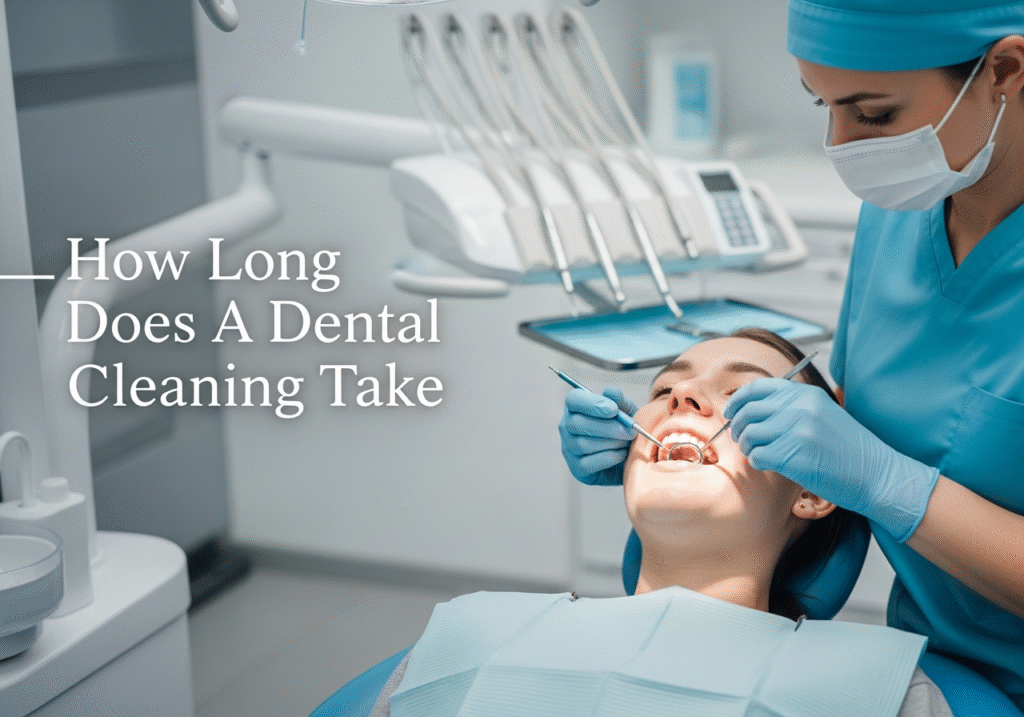
Understanding how long does a dental cleaning take helps people feel more prepared before visiting the dentist. A dental cleaning is an important part of keeping your mouth healthy because it removes plaque, tartar, and harmful bacteria. Many people worry about the time it takes, especially if they have sensitive teeth or have not visited the dentist in a while. The length of a cleaning can change based on your gum health, the amount of buildup, and whether you need a routine cleaning, a deep cleaning, treatment for gum disease, or a professional dental checkup. Knowing what to expect makes the entire visit easier and less stressful.
A lot of people go to the dentist once or twice a year, but a lot of them still want to know how long a dental cleaning takes. Some people think the appointment will only last a few minutes, while others are worried it will take hours, especially if they haven’t been to the dentist in a long time. The truth is that a dental cleaning can take different amounts of time depending on a number of things, such as the patient’s oral health, the amount of plaque and tartar present, the type of cleaning needed, and whether extra steps like X-rays or a dental exam are included. Knowing the whole process can help you get ready, calm your nerves, and know what to expect when you go. Knowing how long dental cleanings take helps you make appointments without feeling rushed. They are very important for keeping your teeth healthy and preventing cavities, gum disease, and tooth loss.
What Is a Dental Cleaning?
A dentist or dental hygienist does a dental cleaning to get rid of plaque, tartar, and harmful bacteria from your teeth and gums. Even if you brush and floss every day, you can still get buildup that you can’t get rid of at home. When plaque turns into tartar, only a professional dental tool can get rid of it. This is why you need to get your teeth cleaned regularly to keep them healthy. The hygienist also checks the gums, measures the spaces between them, and looks for places where bacteria might be hiding. A lot of people don’t know how detailed and careful the cleaning process is, which is one reason why it takes different amounts of time for different patients. Some patients don’t have much buildup because they brush their teeth every day. Others may need more time because their gums are inflamed or they have tartar buildup from not brushing regularly.
The hygienist uses tools to gently scrape off tartar, polish the teeth, and get rid of stains on the surface during the cleaning. Some people think that a dental cleaning is just brushing at the dentist, but it’s actually a full cleaning of places that regular brushing can’t get to. The hygienist also looks at the gums to see how healthy they are and may find early signs of gingivitis or gum disease. All of these steps take time, and the more work that needs to be done, the longer the appointment will last. This is why dental cleanings can’t be done just once.
Things That Can Change How Long a Dental Cleaning Takes
Different people need different amounts of time for a dental cleaning. How much plaque and tartar there is is one of the most important things. People who get cleanings every six months usually have less buildup and their appointments are shorter. People who haven’t been to the dentist in a while may need more time because the tartar has hardened and spread deeper into the gums. The health of the patient’s gums is also very important. When your gums are inflamed, they bleed more easily and need more care when you clean them. Patients with early gum disease may also need deeper cleaning around the gum pockets, which takes longer than usual.
The length of time also depends on your dental history. Patients who are going to the dentist for the first time usually spend more time there because the hygienist needs to take X-rays, look over their dental records, and check their overall oral health before cleaning begins. Longer cleaning times can also be caused by smoking, certain medications, age, and conditions like diabetes that are already present. Kids usually take less time because their teeth are smaller and have less plaque on them, but kids who are nervous may take longer because they need more reassurance. Knowing these things will help you guess how long your appointment will really be.
How long does it take to clean your teeth regularly?
A normal or regular dental cleaning usually lasts 30 to 60 minutes. The first step is a quick check of your mouth and gums. Then, scaling, which is the removal of plaque and tartar, happens. Depending on how much buildup there is, this step alone can take a few minutes. After scaling, the hygienist uses a special paste to polish the teeth and get rid of surface stains. This makes the teeth smooth. Plaque has a harder time sticking to teeth that are smoother. Polishing usually doesn’t take long, but the hygienist may take extra time on teeth that are stained from coffee, tea, or smoking.
Afterward, people often floss to make sure the spaces between their teeth are clean. After that, the hygienist cleans your mouth and gets you ready for the dentist’s final exam. The dentist usually takes a few minutes to look for cavities, gum problems, or other dental problems. These steps, when put together, make up the usual one-hour appointment. People who keep their mouths clean don’t need as much time for some cleanings. If the patient needs extra polishing or gentle cleaning around sensitive gums, the process may take longer. In general, a regular dental cleaning is not something that should be done quickly. It is a careful process that keeps your teeth and gums healthy.
How Long Does It Take to Deep Clean?
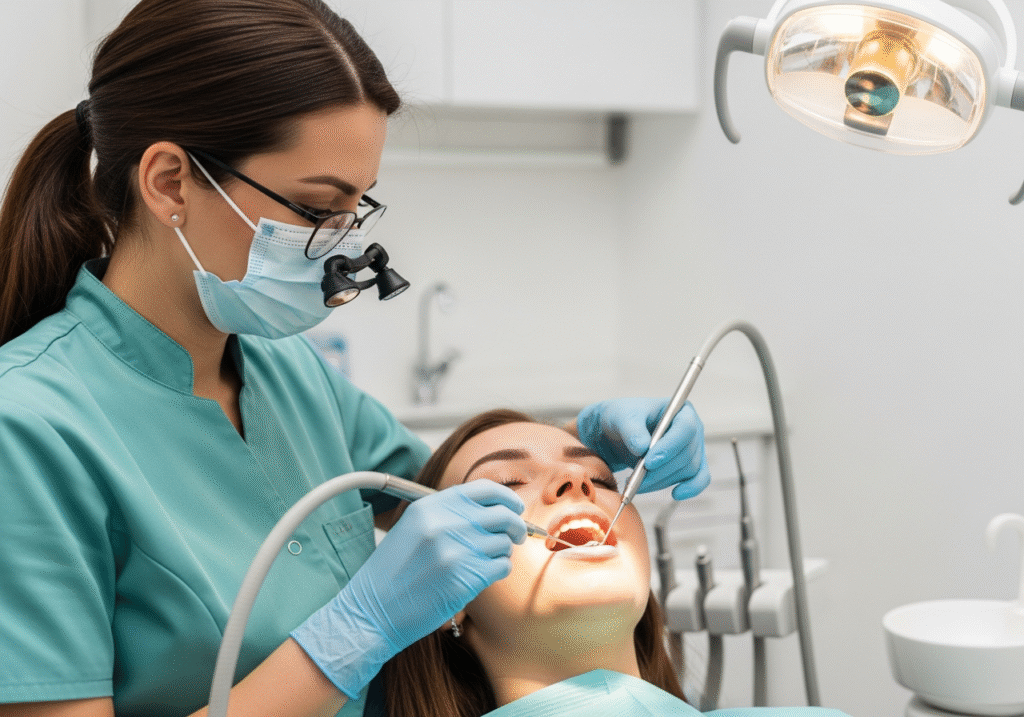
Scaling and root planing, also called deep cleaning, is harder and takes longer than a regular cleaning. It is usually needed when a patient shows signs of gum disease or when tartar has spread below the gumline. Deep cleaning gets rid of plaque and tartar from both the teeth and the roots, getting to places that regular cleanings can’t. This procedure takes about 60 to 90 minutes for each quadrant, which is how the mouth is divided into four parts. Many dentists schedule deep cleanings over two visits to avoid long periods of discomfort and because numbing is often needed.
The hygienist has to clean the roots of the teeth and smooth out their surfaces, which makes the process take longer. This helps the gums heal and reattach correctly. Patients with advanced gum disease may need to come back several times to get the full cleaning. Deep cleanings are more thorough because they get to the root of the problem that causes gum recession, swelling, and bone loss. This kind of cleaning takes longer, but it’s important for getting your gums healthy again and keeping your teeth from having problems in the future. People who don’t deep clean their teeth often get worse gum disease, so it’s important to do it when a dentist tells you to.
How long does a pediatric dental cleaning take?
Cleaning kids’ teeth usually takes less time than cleaning adults’ teeth. Depending on the child’s age and willingness to cooperate, most pediatric cleanings take 20 to 30 minutes. The process involves cleaning, polishing, and sometimes applying fluoride. The cleaning goes faster because kids have smaller teeth and less tartar on them. But if a child is scared, anxious, or can’t sit still, the appointment may take longer. To make kids feel more at ease, pediatric dentists often take extra time to explain each step.
The dentist may want to check the baby’s teeth, jaw development, and bite alignment on the first visit, which could take longer. Kids who have cavities or early signs of gum disease may need more cleaning or checking. Even though pediatric cleanings are usually quick, they are very important for keeping kids’ teeth healthy and preventing cavities. Parents often find it helpful to make their kids’ appointments in the morning when they are more relaxed and willing to work with them.
How long does a first-time dental cleaning take?
The dentist needs to check your whole mouth health during your first visit, which is why it usually takes longer than a regular appointment. This appointment usually takes between 60 and 90 minutes, especially if X-rays are needed. The hygienist starts by taking X-rays of the teeth to look for cavities, infections, or other problems that can’t be seen with the naked eye. After the X-rays, the dentist does a full oral exam to check the gums, teeth, bite, jaw, and overall health of the mouth. The cleaning doesn’t start until after this test.
The hygienist may need more time to gently remove hardened deposits because first-time patients often have tartar buildup or sensitive gums from missed cleanings. Some people haven’t seen a dentist in a long time, which makes cleanings take longer. The dentist might also talk about treatment plans, how to keep your mouth clean, and how to avoid problems, all of which will take more time at the appointment. The visit may take a long time, but it gives you a full picture of your oral health and sets the stage for future checkups.
A Step-by-Step Guide to What Happens During a Dental Cleaning
There are a number of steps involved in a dental cleaning, and each one adds to the total time. Usually, the appointment starts with a quick check of the mouth. The hygienist looks at your teeth and gums to make sure it’s safe to start cleaning. Next is scaling, which is the process of getting rid of tartar from the surfaces of the teeth and below the gumline. Because tartar needs to be removed gently and completely, scaling takes the most time.
After scaling, the hygienist uses a gritty paste that is like toothpaste to polish your teeth. This makes the surfaces of the teeth smooth and gets rid of stains. After polishing, the hygienist flosses your teeth to get rid of any leftover dirt. Depending on your dental needs, you may get a fluoride treatment first. Then, the dentist will come in for a final check. Every step is important and helps keep your mouth clean, healthy, and safe from problems in the future. No step is rushed, so appointments can last anywhere from a few minutes to a few hours.
Why Some Cleanings Take Longer Than Others
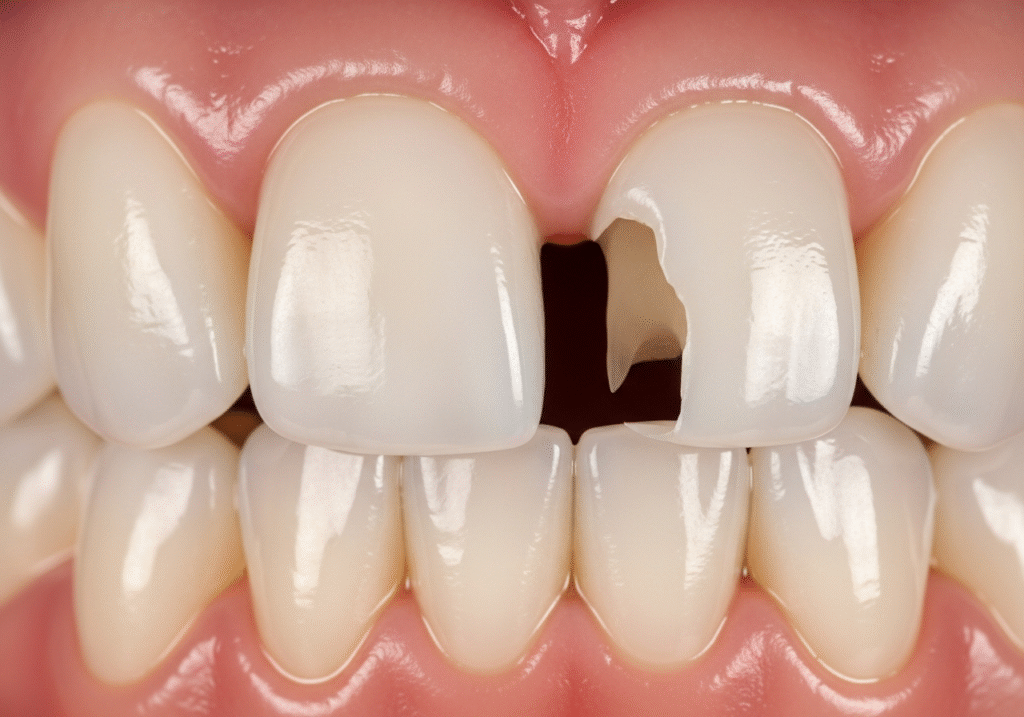
People who haven’t been to the dentist in a long time need much longer cleanings. Over time, tartar gets thicker and harder, especially near the gumline. People with periodontal disease also need deeper cleaning around their gums, which takes longer. People who smoke tend to get dark stains that need extra polishing. Gum inflammation and longer cleaning times can also be caused by medical conditions like diabetes or autoimmune diseases. Some patients need breaks during the cleaning, which makes it take longer. Anxiety is another reason.
Case studies show that people who don’t go to the dentist for a long time often need twice or three times as much cleaning time as people who go regularly. Some people naturally make more plaque because of their genes, what they eat, or how they breathe through their mouths. There is no set time for everyone because each of these things changes how long a dental cleaning takes.
How to Speed Up Your Dental Cleaning
There are a few things you can do to make your dental cleaning go faster and easier. Brushing your teeth twice a day and flossing once a day can help keep plaque from building up, which makes the cleaning process faster. Not smoking and eating less sugary or acidic foods can also help keep tartar from forming. If you go to the dentist every six months, you won’t have to do as much work at each appointment. If you stay calm while the hygienist cleans, they will be able to work faster and won’t need to take as many breaks. Good communication with your dental team can also help. If you tell them about any sensitivities or worries you have, they can change how they do things to make the visit more comfortable.
How often should you have your teeth cleaned?
Most dentists say you should get your teeth cleaned every six months. People with gum disease, diabetes, a lot of tartar buildup, or who smoke may need to get their teeth cleaned more often, though. Cleaning your teeth regularly can help stop serious dental problems like gum disease and tooth decay. Some people only go to the dentist when they are in pain, but putting off going for too long can make cleanings take longer and treatments more complicated. Keeping your appointments on time makes your mouth healthier and your appointments shorter.
Myths About How Long It Takes to Clean Teeth
There are a lot of false ideas about dental cleaning that make people scared for no reason. A common myth is that cleanings hurt and take a long time. In fact, cleanings don’t hurt most of the time and only take about an hour. Another myth is that deep cleaning isn’t needed or takes too long, but people with gum disease need deep cleaning. Some people think that cleanings take away tooth enamel, but this is not true at all. Cleanings are safe and meant to protect teeth, not hurt them. Patients feel more at ease and confident about their appointments when they know the truth.
So, how long does it take to clean your teeth? Most regular cleanings last between 30 minutes and an hour, but deep cleanings may need more than one visit. The length of time will depend on how healthy your teeth are, what kind of cleaning you need, and how much tartar is on your teeth. Regular dental visits, consistent brushing, and daily flossing help keep your appointments shorter and more comfortable. You can get ready better and feel more at ease during your dental cleaning appointment if you know the whole process. Regular care and professional cleanings are the first steps to a clean, healthy smile.
FAQ – How Long Does a Dental Cleaning Take
How long does a normal dental cleaning take?
A routine dental cleaning usually takes about 30 to 60 minutes. The time depends on tartar buildup and overall gum health.
Why do some dental cleanings take longer?
Cleanings take longer when there is heavy plaque, swollen gums, or if you have not had a cleaning in a long time. Deep stains can also require extra time.
How long does a deep cleaning take?
A deep cleaning, also called scaling and root planing, often takes 60–90 minutes per side of the mouth. Many dentists complete it in two visits.
Does a dental cleaning hurt?
Most cleanings are not painful. Mild sensitivity can happen if gums are irritated, but the discomfort is usually very little and temporary.
How long does a first dental cleaning visit take?
A first visit often lasts 60–90 minutes because it includes X-rays, a full dental exam, and the cleaning itself.
Does dental insurance cover cleanings?
Most dental insurance plans cover two cleanings per year. Some plans also cover deep cleanings if gum disease is diagnosed.
Can I eat after a dental cleaning?
Yes, you can eat right away unless fluoride was applied. If you received fluoride treatment, wait 30 minutes to 1 hour before eating.
Why is a dental cleaning important?
Cleanings remove tartar and bacteria that brushing cannot remove. This helps prevent gum disease, cavities, and bad breath.
How often should I get a dental cleaning?
Most people need a dental cleaning every six months. People with gum disease or heavy tartar may need cleanings every 3–4 months.
Can a dental cleaning whiten my teeth?
A cleaning removes stains and makes teeth look cleaner and brighter, but it does not bleach the teeth like whitening treatments.
How long does a child’s dental cleaning take?
A child’s cleaning usually takes 20–30 minutes, depending on their comfort level and how much cleaning they need.
What affects the time of a dental cleaning the most?
The biggest factors are tartar buildup, gum health, and how long it has been since your last cleaning.