Many people ask, “How long after teeth whitening can I eat normally?”, especially after investing time and effort into achieving a brighter smile. After a teeth whitening treatment, your enamel becomes more porous and sensitive, making it vulnerable to stains and discoloration. For the first 24 to 48 hours, it’s important to avoid foods and drinks that are dark or acidic, such as coffee, wine, or berries. Once this sensitive period passes, you can gradually return to your normal diet without fear of dulling your results. Knowing how to care for your teeth after a whitening procedure ensures your bright smile stays radiant and long-lasting.
How Soon Can You Eat After Teeth Whitening?
After a whitening session, your teeth are sensitive and enamel is temporarily weakened. For most people, waiting 30–60 minutes is usually safe, though some in-office teeth whitening procedures advise waiting up to two hours. This pause allows the enamel to recover and reduces the risk of stains or irritation. Even though it’s tempting to eat right away, patience ensures your whiter smile remains bright for longer.
Eating too soon, especially acidic or staining foods, can reduce the effectiveness of your whitening treatment. Experts suggest drinking water and avoiding strong-colored foods initially. Many patients find that following dental expert recommendations during this sensitive period helps maximize the benefits of their whitening treatment. In fact, adhering to these guidelines can significantly improve confidence boost from whitening because you are preserving the whiter teeth benefits right from the start.
Foods and Drinks to Avoid After Whitening Treatment
After whitening, avoiding certain foods is essential. Drinks like coffee, tea, red wine, and sodas are major culprits. Dark sauces, chocolate, and berries can quickly stain freshly whitened enamel. Even seemingly harmless items like tomato sauce, balsamic vinegar, or curry can discolor teeth. Smoking and tobacco are especially harmful, and they can reverse your results within days. Avoiding these foods is key to how to extend whitening results.
Acidic foods such as lemons, oranges, and pickles can irritate sensitive enamel. Sticky and chewy foods can adhere to teeth and reduce the effect of whitening. Using a straw for drinks is a small but effective trick to limit contact with teeth. Following these steps not only preserves your whitening results but also helps maintain good oral care habits. People who follow these guidelines enjoy whiter teeth benefits and notice that their whiter smile lasts much longer than expected.

Safe Foods to Eat After Teeth Whitening
While some foods are risky, there are plenty of safe options. Soft, non-acidic foods like eggs, pasta, rice, chicken, and mashed potatoes are excellent choices. These safe foods after whitening won’t stain teeth and allow your enamel to recover. Eating these foods helps maintain the effect of whitening treatments for at-home vs in-office procedures and keeps your mouth comfortable.
Other options include yogurt, soft cheeses, and cooked vegetables. Light-colored fruits like bananas are safe, while avoiding berries or cherries is recommended in the first 24 hours. Patients who follow dental expert recommendations and eat safe foods after whitening notice longer-lasting results. Pairing careful food choices with best oral hygiene practices after whitening ensures your whiter smile continues to shine. Over time, this approach helps maintain teeth color between touch-ups while protecting enamel.
Brushing and Oral Hygiene After Teeth Whitening
Brushing immediately after whitening can harm your enamel. Your teeth are temporarily more sensitive and prone to abrasion. Using a soft-bristled brush and whitening toothpaste after waiting 30–60 minutes helps maintain results without damaging enamel. Good brushing habits are part of best oral hygiene practices after whitening and support long-lasting brightness.
Flossing is essential to remove particles that can cause stains, and rinsing with water keeps your mouth hydrated and reduces sensitivity. Following good oral care habits and scheduling regular dental hygienist visits ensures your whiter teeth benefits last. Over time, combining careful brushing, flossing, and gentle oral hygiene supports a confidence boost from whitening and prevents early discoloration.
How Long Do Teeth Whitening Results Last?
How long does teeth whitening last? The answer depends on lifestyle, oral care, and the type of whitening treatment used. Typically, results last from six months to two years. In-office teeth whitening usually provides longer-lasting results than at-home whitening, but consistent care is key for both. Drinking coffee, tea, red wine, smoking, and eating staining foods can shorten the lifespan of your whitening.
Patients who follow dental expert recommendations, including regular dental cleaning, avoiding foods that stain teeth after whitening, and using whitening toothpaste, often see their results maintained for longer periods. Consistent care helps maintain teeth color between touch-ups, ensuring that your whiter smile and confidence boost from whitening are preserved.
Maintaining Your White Smile Between Treatments
Maintaining a whiter smile requires daily care and careful habits. Brushing twice a day, flossing, and rinsing after meals prevent stains and decay. Avoiding staining foods and drinks and using a straw for dark beverages helps prolong whitening effects. Using whitening toothpaste in your daily routine supports whitening maintenance.
Regular dental hygienist visits are also important. Professional cleanings remove plaque and surface stains, helping you keep your whiter teeth benefits. Hydration, avoiding acidic foods, and being mindful of sticky and chewy foods all contribute to long-lasting results. Following dental expert recommendations ensures you can enjoy a confidence boost from whitening and maintain good oral care habits between treatments.
Professional Teeth Whitening vs. At-Home Kits
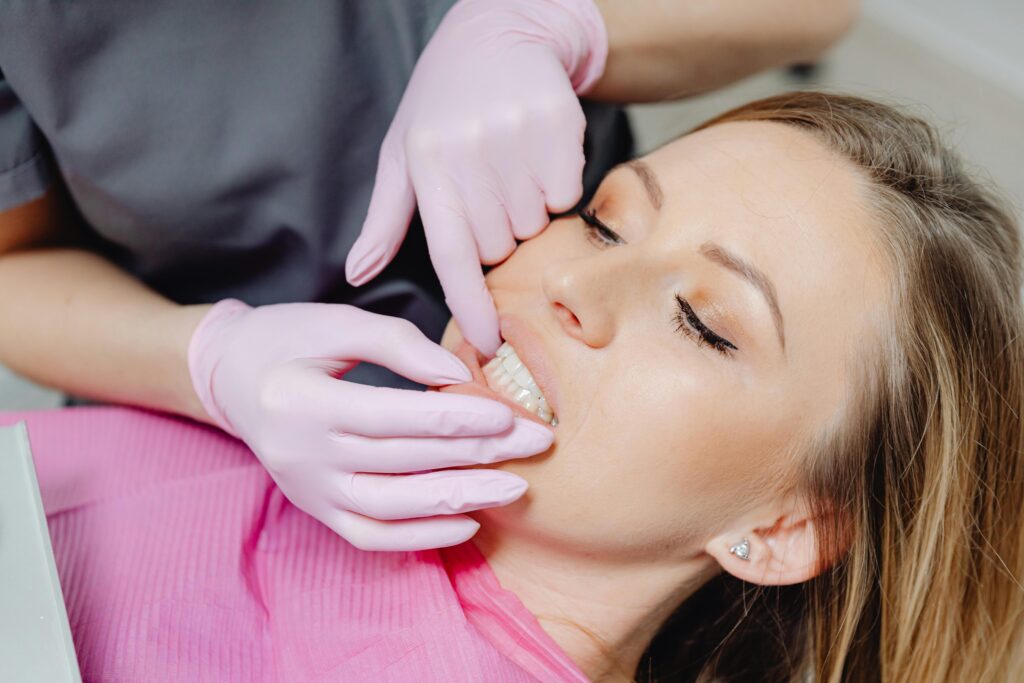
Whitening treatments for at-home vs in-office differ in speed, strength, and overall results. In-office teeth whitening offers rapid whitening results in just one session under professional supervision. This painless dental procedure produces more uniform results and allows your dentist to tailor the treatment to your needs. On the other hand, at-home whitening kits provide gradual results over days or weeks and are convenient for maintaining brightness.
Case studies show that professional whitening produces more consistent results, while at-home kits are useful for minor touch-ups. Combining professional sessions with good oral care habits and whitening maintenance maximizes advantages of teeth whitening. Over time, a mix of professional and at-home treatments ensures your whiter smile stays bright and continues to provide a confidence boost from whitening.
Common Side Effects and How to Minimize Them
Whitening can cause temporary tooth sensitivity, gum irritation, and uneven coloration. These effects are usually mild and resolve quickly. Using whitening toothpaste, avoiding very hot or cold foods, and waiting before brushing reduces discomfort. Following dental expert recommendations can prevent these side effects.
Many patients notice sensitivity peaks within the first 24–48 hours. Drinking lukewarm water, avoiding acidic foods, and sticking to safe foods after whitening can help. These precautions align with best oral hygiene practices after whitening and help maintain whiter teeth benefits. With consistent care, your whiter smile remains bright, and the confidence boost from whitening lasts longer.
Tips for Long-Lasting Whitening and Overall Oral Health
To keep your teeth bright for longer, daily care is essential. Brush, floss, and rinse regularly, avoid foods that stain teeth after whitening, and schedule dental cleaning sessions. Using whitening toothpaste and following dental expert recommendations helps maintain teeth color between touch-ups. Staying hydrated, avoiding excess coffee, tea, red wine, and practicing good oral care habits further preserves results.
Patients who adopt these routines notice stronger results and longer-lasting brightness. Whitening maintenance combined with consistent oral hygiene ensures that advantages of teeth whitening continue. Over time, proper care protects enamel, keeps your whiter smile looking fresh, and enhances your confidence boost from whitening.
Conclusion: How Long After Teeth Whitening Can I Eat Normally?
In summary, the answer to how long after teeth whitening can I eat normally depends on the procedure, enamel sensitivity, and the foods you plan to eat. Waiting at least 30 minutes to two hours, avoiding staining foods and drinks, and following dental expert recommendations is key. Pairing careful food choices with good oral care habits and regular dental hygienist visits helps you enjoy whiter teeth benefits and a lasting confidence boost from whitening.Maintaining your results requires consistent attention to what you eat, proper brushing, and sometimes touch-ups. Whether using at-home whitening kits or in-office teeth whitening, following these practices ensures your whiter smile stays radiant. By incorporating whitening maintenance, avoiding risky foods, and following best oral hygiene practices