A cracked tooth can be sudden, painful, and worrisome. Many people wonder if it’s possible to fix a cracked tooth naturally without visiting a dentist. While natural remedies cannot fully repair the damage, they can help with temporary tooth pain relief and reduce tooth sensitivity. Cracks in teeth often result from tooth grinding (Bruxism), biting hard foods, or accidental trauma, and leaving them untreated can lead to tooth infection or even tooth extraction. Understanding the signs of a crack, managing discomfort at home, and knowing when to seek professional help are essential steps in protecting your smile and maintaining long-term dental health.
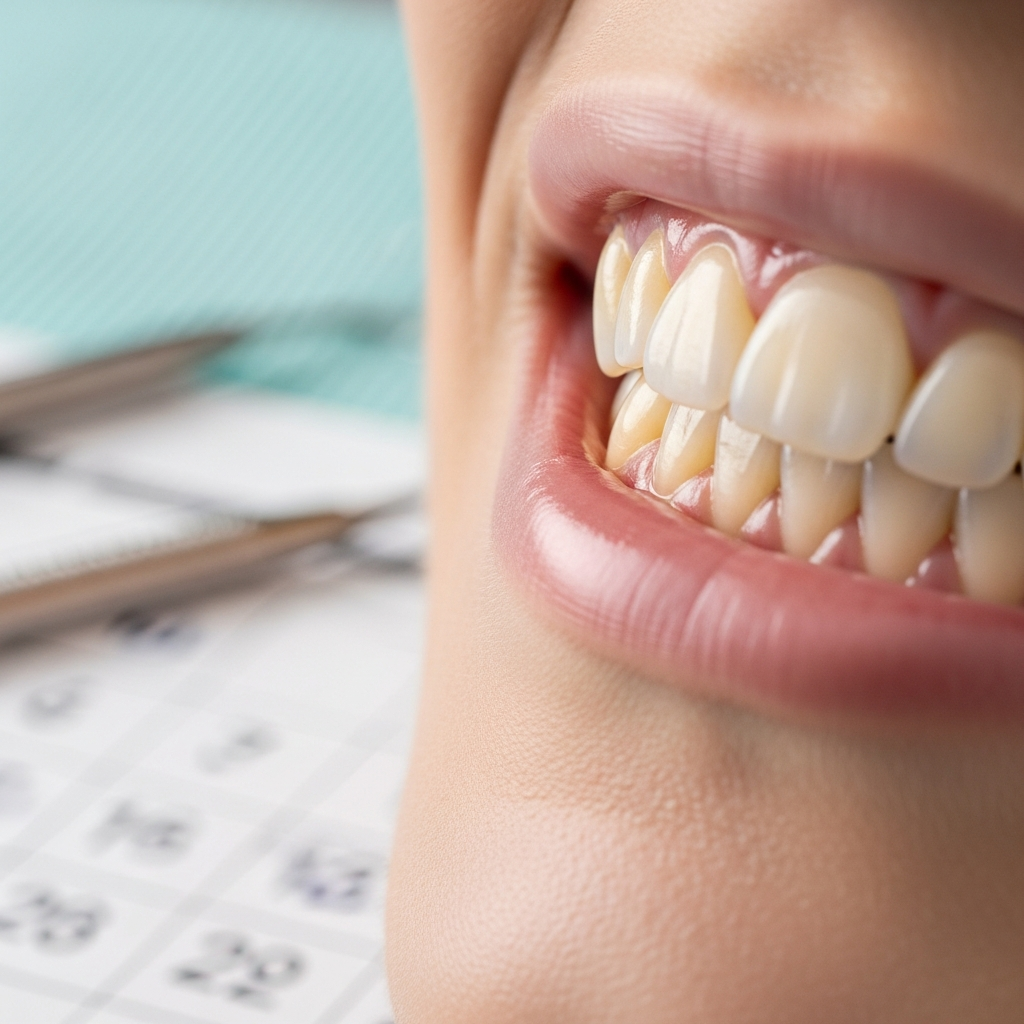
How to Fix a Cracked Tooth Naturally?
A cracked tooth is more common than many people realize, yet it can feel alarming when it happens. That sudden sharp pain while eating, drinking, or even speaking can make anyone panic. Many people immediately search for ways to fix a cracked tooth naturally, hoping to avoid costly dental procedures. While natural methods can temporarily relieve discomfort, it’s important to understand the seriousness of a tooth fracture and why professional care is often necessary. Teeth are strong, but they are not indestructible. A tiny crack can gradually expand, exposing the tooth pulp to bacteria and eventually leading to tooth infection, tooth sensitivity, or even tooth extraction.
Knowing how to manage the discomfort and protect your teeth until you see a dentist is crucial. While home remedies for tooth pain like saltwater rinse, clove oil for teeth, or cold compress for tooth pain can provide temporary relief, they cannot replace professional cracked tooth repair. The good news is that with careful management and awareness, you can reduce pain, prevent worsening damage, and make informed decisions about the proper treatment. This article will provide you with a comprehensive guide to understanding, managing, and treating a cracked tooth, naturally and safely.
Understanding Cracked Teeth
A cracked tooth occurs when the structure of the tooth is weakened or damaged. Cracks can develop for several reasons. Tooth grinding (Bruxism), biting down on hard foods like ice or candies, and accidental trauma are common causes. Even large fillings can weaken the tooth, making it more prone to cracks. Understanding the origin of the crack is the first step toward managing it. Minor cracks, often called craze lines, usually do not cause pain and may go unnoticed, while larger fractures can expose the tooth pulp, causing tooth sensitivity and sharp pain.
Dentists categorize cracks to determine the most appropriate treatment. A superficial crack might only need observation and protective care, while a deeper crack may require dental bonding, a dental crown, or even root canal therapy. Severe cases may result in tooth extraction. Awareness of tooth fracture symptoms, including sensitivity to hot or cold, pain while chewing, or swelling around the tooth, helps you act quickly and avoid further damage. Taking preventive measures like maintaining oral hygiene practices, avoiding hard foods, and scheduling regular dental checkups is crucial for long-term tooth damage prevention.
Recognizing the Signs of a Cracked Tooth
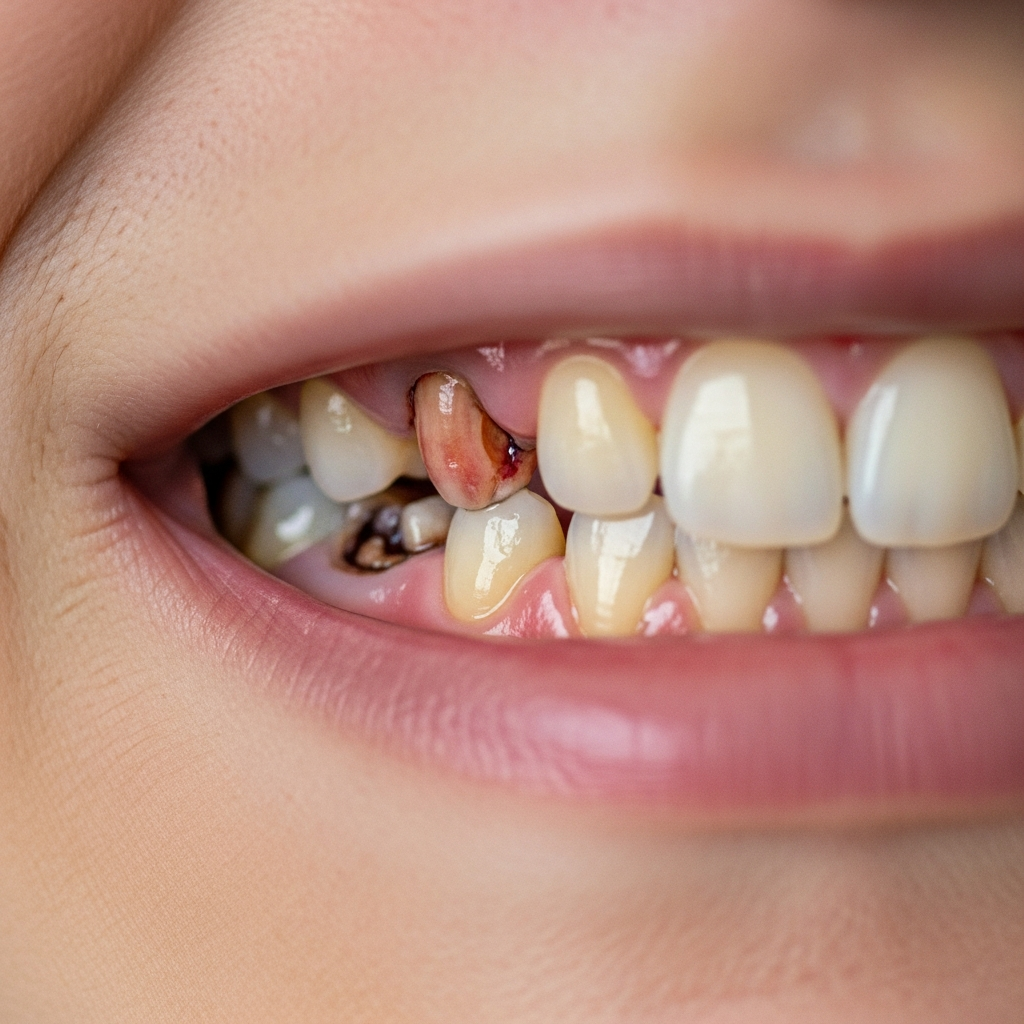
Recognizing the tooth fracture symptoms early is essential for saving the tooth. Often, the first signs are subtle. You may notice intermittent sharp pain when biting or chewing, or a sudden tooth sensitivity to hot, cold, or sweet foods. In some cases, a crack may be invisible, but discomfort during chewing or a feeling of the tooth “catching” when biting can indicate a problem. Over time, ignoring these signs can worsen the damage, leading to tooth infection or the need for more invasive procedures.
Other signs include mild swelling, discoloration of the tooth, and discomfort that comes and goes. Some people feel the pain only when releasing the bite, which is a classic sign of a cracked tooth. If you notice any of these symptoms, it is wise to search for a dentist near me as soon as possible. Early detection not only increases the chances of saving the tooth but also reduces the risk of serious complications that can arise from untreated cracks.
The Problem with “Natural Fixes” for Cracked Teeth
Many online sources claim that you can fix a cracked tooth naturally, but this is misleading. Teeth are made of enamel and dentin, which cannot self-repair like skin or bones. While home remedies may relieve tooth pain, they cannot restore a fractured tooth’s structure. Ignoring a crack can lead to worsening damage, tooth infection, and in severe cases, tooth extraction.
Natural methods like saltwater rinse, clove oil for teeth, and cold compress for tooth pain can help manage symptoms, but they are temporary solutions. These remedies soothe discomfort and reduce inflammation, but they do not address the root cause of the problem. Professional cracked tooth repair is essential to restore function, protect the tooth pulp, and prevent further fractures. Trying to rely solely on home treatments is risky and can lead to more extensive dental work in the future.
Natural Remedies to Manage a Cracked Tooth at Home
While natural remedies cannot fix a cracked tooth, they are effective for temporary tooth pain relief. A saltwater rinse helps reduce bacteria in the mouth and prevents infection around the crack. You can make this at home by dissolving half a teaspoon of salt in a cup of warm water and gently rinsing your mouth several times a day.
Another remedy is clove oil for teeth, which contains eugenol, a natural painkiller. Apply a small amount to the affected area with a cotton swab to reduce tooth sensitivity. Using a cold compress for tooth pain can alleviate swelling and numb discomfort, especially after accidental trauma. Avoiding hard or sticky foods, chewing only on the unaffected side, and maintaining gentle oral hygiene practices are also crucial. These remedies help manage symptoms until professional cracked tooth repair can be performed.
When to Visit a Dentist for a Cracked Tooth
Knowing when to see a dentist is critical. Persistent sharp pain, swelling, or visible cracks are signs you should not ignore. Early intervention can prevent serious complications, including tooth infection and the need for tooth extraction. Even if pain seems minor, a dentist near me can examine the tooth and recommend the most effective cracked tooth repair.
Emergency situations include sudden unbearable pain, pus around the tooth, or bleeding gums. Waiting too long can worsen tooth sensitivity and increase the risk of permanent damage. A professional assessment ensures the crack is treated appropriately, whether with dental bonding, a dental crown, or root canal therapy. Visiting a dentist promptly can save your tooth and maintain long-term dental health.
Cracked Tooth Repair Options
Professional cracked tooth repair varies depending on the severity of the fracture. Minor cracks often respond well to dental bonding, which involves filling the crack and restoring the tooth’s appearance and function. This procedure is quick, minimally invasive, and preserves the natural tooth.
For more serious cracks, a dental crown may be necessary. The crown covers the tooth, providing strength and protecting the tooth pulp from infection. If the crack reaches the tooth pulp and causes infection, root canal therapy becomes necessary. This treatment removes the infected tissue and allows the tooth to be preserved. In extreme cases, where the fracture is too severe, tooth extraction may be the only option. Regular dental checkups allow early detection of cracks, making tooth damage prevention more achievable and reducing the need for invasive treatments.
Fast Pain Relief Tips for Dental Emergencies
During a dental emergency, quick steps can help manage tooth pain. Over-the-counter painkillers can reduce discomfort, while a cold compress for tooth pain helps decrease swelling and numbs the affected area. Avoid chewing on the cracked tooth and stick to soft foods to prevent worsening the fracture.
Applying clove oil for teeth can provide natural temporary pain relief. Maintaining gentle oral hygiene practices is also important to prevent infection. These methods do not replace professional care but help you manage tooth sensitivity and pain while you seek a dentist for proper cracked tooth repair.
How to Prevent Future Tooth Cracks
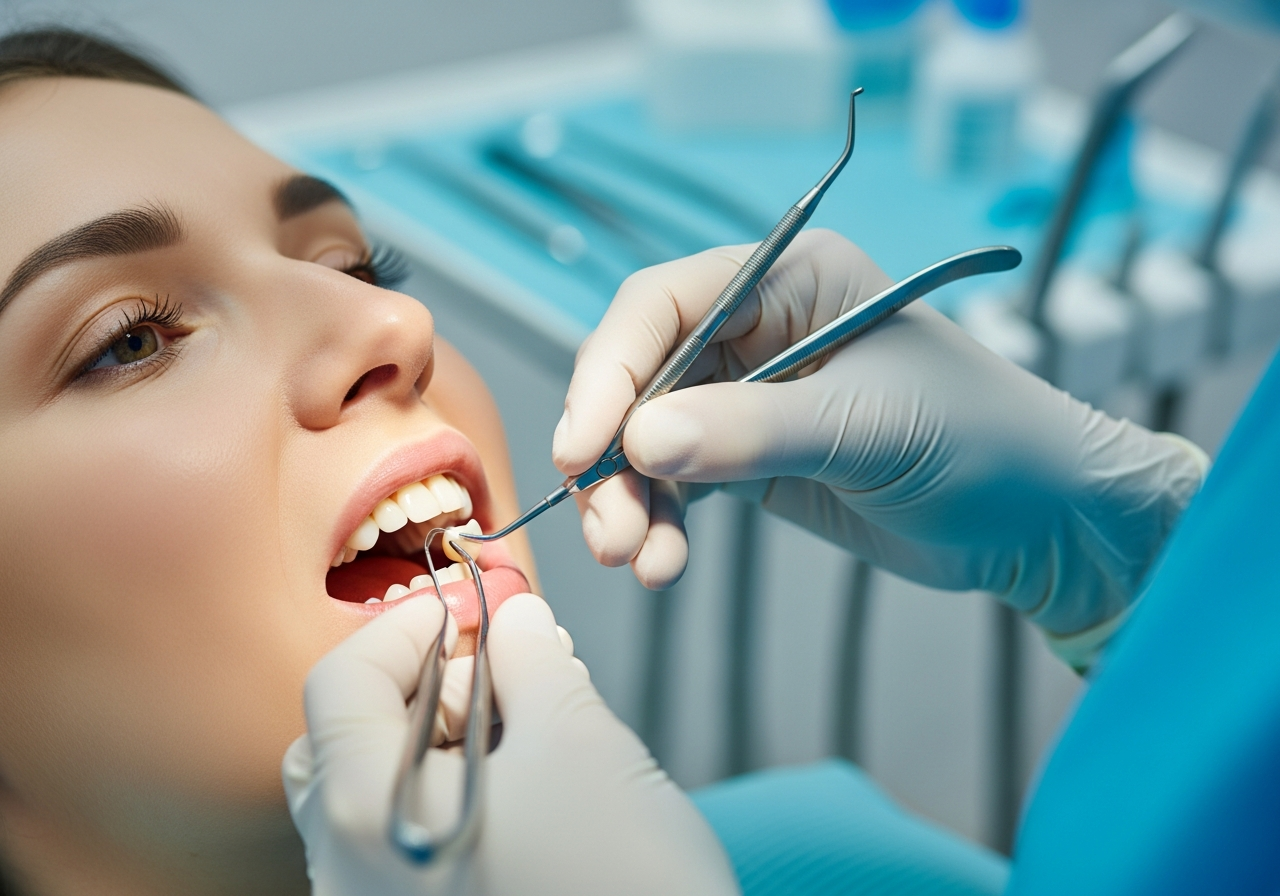
Prevention is better than treatment. Avoid chewing hard foods, ice, or non-food items. People who suffer from tooth grinding (Bruxism) should wear a nightguard for teeth grinding to protect their teeth. Practicing proper oral hygiene tips, including brushing twice daily and flossing once a day, reduces plaque buildup that can weaken teeth and increase the risk of cracks.
Routine dental checkups allow dentists to detect early signs of tooth fracture symptoms, enabling timely intervention. Maintaining healthy teeth and gums and adopting preventive habits like avoiding hard foods, using protective devices during sports, and following professional advice all contribute to long-term tooth damage prevention. By taking these steps, you can reduce the likelihood of future cracked teeth and maintain a confident, pain-free smile.
Safeguard Your Smile with Professional Dental Care
Professional dental care is the most reliable way to preserve your smile. Regular dental checkups allow dentists to identify small cracks before they become severe. Procedures like dental crowns, dental bonding, and root canal therapy ensure that the tooth remains functional and pain-free.
Preventive dentistry not only treats existing issues but also reduces future risks. Protective measures, cleanings, and personalized guidance ensure healthy teeth and gums while preventing tooth fracture. Investing in professional care is the safest approach to maintaining a strong, beautiful, and functional smile, allowing you to enjoy food, conversation, and life without the worry of dental emergencies.
Here’s how you can write concise 1–2 line answers under H2 headings for your blog:
Tips on How to Fix a Cracked Tooth Naturally
Many people look for natural ways to relieve pain and protect a cracked tooth, especially when they cannot see a dentist right away. While it is important to understand that a cracked tooth cannot fully heal or seal naturally, there are several safe and effective tips that can help reduce pain, prevent further damage, and protect the tooth until professional care is available. These natural methods support your oral health and make the tooth more comfortable as you wait for proper treatment.
One of the most helpful tips is to rinse your mouth with warm salt water. Salt water reduces bacteria, cleans the area around the crack, and soothes irritated gums. Use a mild mixture and rinse gently several times a day. This helps prevent infection and keeps the cracked tooth cleaner. It does not fix the crack, but it protects the tooth from further harm.
Another natural method is using clove oil. Clove oil contains eugenol, a natural pain reliever and antibacterial agent. Applying a small amount to the cracked tooth with a cotton swab can reduce pain and swelling. Many people find this remedy helpful, especially at night when the pain becomes stronger. However, use it carefully, as too much can irritate the gums.
You can also reduce discomfort by applying cold compresses to the outside of your cheek. This helps bring down swelling and numbs the area. Cold compresses are especially useful after eating, when pain from chewing may increase. Always wrap the ice pack in a cloth to protect your skin, and apply it for short periods.
Diet changes are also important when managing a cracked tooth naturally. Avoid hard, crunchy, or sticky foods that can worsen the crack. Instead, choose soft foods like yogurt, soups, mashed potatoes, or smoothies. Chew on the opposite side of your mouth to prevent pressure on the cracked tooth. This protects the tooth from breaking further.
Herbal remedies like turmeric paste can also help with pain. Turmeric is known for its anti-inflammatory properties. Mixing turmeric with a little water to form a paste and applying it gently to the gums may provide soothing relief. Do not rub it into the crack itself; simply apply around the area.
Maintaining excellent oral hygiene is another important tip. Brush gently with a soft toothbrush and avoid brushing directly on the cracked tooth. Keeping your mouth clean prevents bacteria from entering the crack, which reduces the risk of infection. Floss carefully, avoiding the cracked area if it causes pain.
Finally, rest your jaw as much as possible. Reduce habits like grinding, clenching, or chewing gum, as these activities put pressure on the cracked tooth. If you grind your teeth at night, consider using a temporary mouthguard until you can visit a dentist.
While these natural methods can relieve pain and protect the tooth, they cannot permanently fix a crack. A dentist is the only one who can repair it fully. Natural tips simply help you stay comfortable and safe until treatment is available.
Can You Repair a Cracked Tooth at Home?
You cannot fully repair a cracked tooth at home. Natural remedies may reduce tooth pain temporarily, but professional care is essential.
How to Fix a Cracked Tooth Naturally
Home methods like a saltwater rinse, clove oil, and cold compress can ease discomfort, but they cannot restore the tooth.
How Do Dentists Fix a Cracked Tooth?
Dentists may use dental bonding, a dental crown, root canal therapy, or tooth extraction depending on the severity of the crack.
How Do I Know if My Cracked Tooth Is Infected?
Signs of infection include severe tooth pain, swelling, pus, and increased tooth sensitivity to hot or cold.
How Much Does It Typically Cost to Fix a Cracked Tooth?
Treatment costs vary: dental bonding ($100–$500), crowns ($800–$1,500), root canals ($700–$1,200), or tooth extraction ($75–$300).
What Is the Cheapest Way to Repair a Broken Tooth?
For minor cracks, dental bonding is usually the most affordable way to restore a tooth.
What Are the Symptoms of Needing a Root Canal?
Persistent tooth pain, tooth sensitivity, swelling, or darkening of the tooth often indicate the need for root canal therapy.