Wisdom tooth removal is a common dental procedure that often raises the question: how long does it take wisdom tooth to heal? Recovery depends on several factors, including whether the tooth was impacted, the complexity of the extraction, and how well post wisdom tooth surgery care is followed. During the first few days, patients may experience wisdom tooth pain after removal, swelling after wisdom teeth surgery, and mild bleeding at the tooth extraction site. Understanding the healing process after tooth extraction helps you manage discomfort, prevent complications like dry socket after wisdom tooth extraction, and support a faster wisdom teeth extraction recovery, making the entire experience safer and more comfortable.
How Long Does It Take for a Wisdom Tooth to Heal?
Healing after wisdom tooth removal can feel unpredictable, leaving many patients wondering, how long does it take wisdom tooth to heal? The timeline depends on multiple factors such as age, overall health, whether the tooth was impacted, and adherence to post wisdom tooth surgery care instructions. Generally, the first few days involve swelling, jaw pain after wisdom teeth removal, and mild bleeding, which gradually improve. Most people start feeling significant relief within a week, but complete recovery, including bone and tissue remodeling, may take several weeks to months.
Understanding the healing process after tooth extraction empowers patients to take better care of themselves and reduce risks of complications. Following wisdom tooth extraction aftercare tips ensures proper blood clot formation, prevents dry socket (alveolar osteitis), and minimizes wisdom teeth removal side effects. With the right guidance, recovery after wisdom teeth removal can be smoother, shorter, and less uncomfortable, helping patients return to normal eating and oral hygiene routines more quickly.
What Happens During Wisdom Tooth Removal?
Wisdom tooth extraction is a surgical procedure performed by an oral surgeon to prevent overcrowding, infection, or damage to adjacent teeth. The procedure can range from simple extraction using local anesthesia / general anesthesia to more complex surgery for impacted teeth. The tooth extraction site is carefully cleaned and stitched if necessary, while blood clot formation begins immediately to protect the bone and nerves. Proper attention to this stage is crucial for minimizing wisdom tooth removal complications.
During the procedure, the inferior alveolar nerve and lingual nerve are carefully protected to avoid nerve damage symptoms like numbness or tingling. Gauze pressure / bleeding control is applied after extraction to ensure initial hemostasis. Patients are advised to follow detailed postoperative care instructions to reduce swelling, bruising, and inflammation and promote faster wisdom teeth extraction recovery.
The Typical Wisdom Tooth Healing Timeline
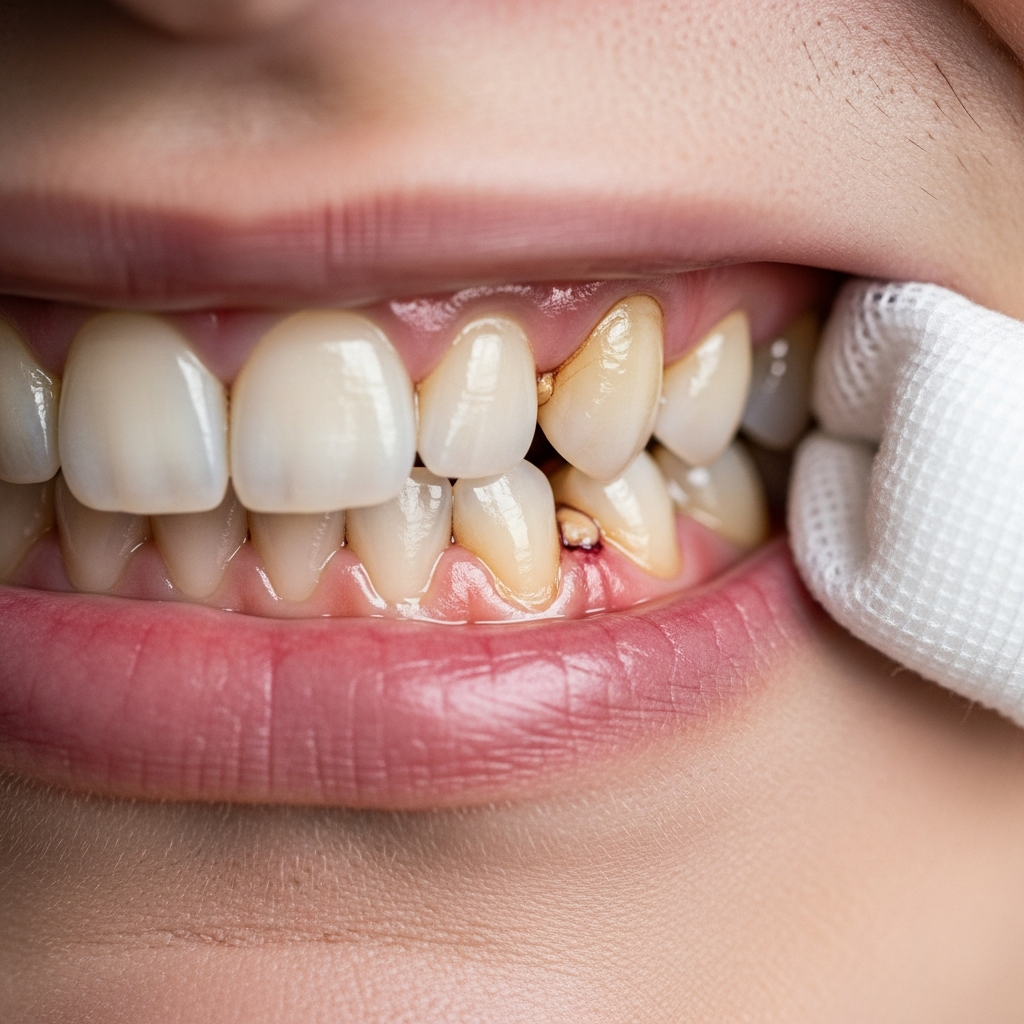
The healing process after tooth extraction follows a predictable yet individual timeline. On healing stages: day 1, the area may bleed slightly, and mild wisdom tooth pain after removal begins. Swelling and bruising start within the first 24 hours, and patients are advised to rest and apply cold compresses. Gauze pressure / bleeding control helps form a stable blood clot formation, which is essential to prevent dry socket after wisdom tooth extraction.
By healing stages: day 3, swelling usually peaks, and discomfort is most noticeable. Patients should follow postoperative care instructions and use ibuprofen / acetaminophen for dental pain management. Around healing stages: day 7, stitches may start dissolving, jaw pain after wisdom teeth removal decreases, and minor swelling after wisdom teeth surgery is common. Most patients notice substantial improvement by week 2, although the complete healing of bone and gum tissue may continue for months.
Stages of Healing After Wisdom Tooth Surgery
Healing after wisdom tooth removal occurs in distinct stages. The initial stage involves blood clot formation at the tooth extraction site, which protects bone and surrounding tissue. This stage is critical to prevent dry socket (alveolar osteitis) and start the body’s natural repair process. Proper oral hygiene after extraction and gentle mouth rinsing precautions ensure the area remains clean without disturbing the clot.
The next stage involves tissue regeneration and reduction of swelling, bruising, and inflammation. Impacted wisdom tooth recovery may take longer since more tissue is disrupted. The final stage is bone and gum remodeling, where complete recovery may extend for several weeks. Following wisdom tooth extraction aftercare tips, including a soft food diet and careful monitoring of nerve damage symptoms, helps speed up recovery.
How to Speed Up Wisdom Tooth Healing
Recovery can be accelerated with proper attention to postoperative care. Maintaining oral hygiene after extraction is essential to prevent infection. Gentle salt water rinse cleans the area while protecting blood clot formation, and ibuprofen / acetaminophen helps control dental pain management. A soft food diet reduces stress on the tooth extraction site, preventing irritation.
Avoiding smoking, alcohol, and straws is crucial, as these activities can dislodge the blood clot formation, causing dry socket after wisdom tooth extraction. In some cases, antibiotics after oral surgery may be prescribed to reduce infection risk. Adequate rest, hydration, and following all wisdom tooth extraction aftercare tips can significantly shorten the oral surgery recovery time.
Foods to Eat (and Avoid) After Wisdom Tooth Removal
Eating the right foods aids wisdom tooth healing time. Cold or lukewarm soft foods such as yogurt, smoothies, mashed potatoes, and soups are ideal. Avoid hard, crunchy, or spicy foods, which can dislodge wisdom tooth stitches healing or irritate the tooth extraction site.
Hydration is key, but carbonated and alcoholic drinks should be avoided for at least a week. Following a soft food diet also minimizes wisdom teeth removal side effects like swelling, discomfort, or delayed healing. Knowing when can I eat after wisdom teeth removal helps patients recover safely and comfortably.
Managing Pain and Swelling

Jaw pain after wisdom teeth removal and swelling after wisdom teeth surgery are most intense during the first three days. Cold compresses and elevation help control swelling, while ibuprofen / acetaminophen eases discomfort. Mild bruising is normal and usually disappears within a week. Effective dental pain management is critical to maintain nutrition and mobility.
Persistent pain or increased swelling may indicate dry socket (alveolar osteitis) or infection. Rarely, nerve damage symptoms occur and require immediate evaluation. Monitoring healing closely reduces the risk of complications and ensures a faster wisdom teeth extraction recovery.
Things to Avoid During Recovery
Avoid behaviors that disrupt healing. Smoking, drinking through straws, spitting forcefully, or vigorous exercise can dislodge the blood clot formation and trigger dry socket after wisdom tooth extraction. Aggressive rinsing can also damage the tooth extraction site.
Ignoring persistent wisdom tooth pain after removal or unusual swelling may worsen complications. Adhering to wisdom tooth extraction aftercare tips protects the tooth extraction site, prevents wisdom tooth removal complications, and supports a smoother oral surgery recovery time.
Possible Complications and When to Call Your Dentist
Complications are uncommon but can occur. Dry socket (alveolar osteitis) is the most frequent, causing severe pain that may radiate to the ear or jaw. Infection, prolonged swelling, or difficulty opening the mouth should prompt immediate consultation. Nerve damage symptoms like numbness in the lips or tongue can indicate issues with the inferior alveolar nerve or lingual nerve.
Other problems may include excessive bleeding, slow wisdom tooth stitches healing, or ongoing jaw pain after wisdom teeth removal. Early communication with your oral surgeon ensures timely treatment, prevents worsening conditions, and supports faster recovery.
FAQs About Wisdom Tooth Recovery
Patients often wonder about healing duration, eating schedules, or pain management. Recovery after wisdom teeth removal begins with mild pain and swelling, peaking around healing stages: day 3. By week 2, most can resume normal routines, although bone healing continues. Recovery times vary based on age, health, and the tooth’s complexity.
Common questions include how to take care of wisdom tooth extraction site, managing wisdom tooth pain after removal, and monitoring wisdom tooth stitches healing. Proper adherence to postoperative care, including mouth rinsing precautions and oral hygiene after extraction, ensures faster recovery with fewer complications.
Healing Times Vary, But You Can Help the Process
Wisdom tooth healing time is not identical for everyone. The speed of recovery depends on whether the tooth was impacted, your health, and how well you follow post wisdom tooth surgery care instructions. Maintaining a soft food diet, performing oral hygiene after extraction, and managing swelling, bruising, and inflammation helps support smooth recovery.
Following wisdom tooth extraction aftercare tips, avoiding high-risk behaviors, and monitoring your tooth extraction site makes a big difference. Understanding oral surgery recovery time empowers you to heal efficiently. While the total recovery after wisdom teeth removal varies, patients who follow guidance experience a faster, safer, and more comfortable healing process after tooth extraction.
Tips for Faster Wisdom Tooth Healing
Understanding how long it takes a wisdom tooth to heal can help you recover more comfortably and avoid complications. While most people feel better within one week, full healing inside the gums and jaw can take several weeks. Following the right tips can speed up healing and make the recovery process easier and safer.
One of the most important tips is to protect the blood clot that forms in the socket after the tooth is removed. This clot is essential for healing. Avoid touching the area with your tongue, avoid spitting forcefully, and do not drink through a straw for at least one week. Suction can remove the clot and lead to dry socket, which is extremely painful and slows healing.
Another helpful tip is to manage swelling properly. Swelling usually peaks within the first 48 hours. Applying an ice pack to the cheek in short intervals helps reduce inflammation and discomfort. After two days, switch to warm compresses to improve blood flow and ease stiffness in the jaw muscles. Keeping your head elevated when resting also helps reduce swelling faster.
Your diet plays a big role in how quickly you heal. Soft, smooth foods allow the extraction site to recover without irritation. Foods like mashed potatoes, yogurt, applesauce, pudding, soup, and smoothies are perfect during the first few days. Stay away from hard, crunchy, spicy, or hot foods because they can cause pain or disturb the healing tissue. Chew on the opposite side of your mouth to protect the surgical site.
Good oral hygiene is essential during recovery, but you must be gentle. Do not brush directly over the extraction site for a few days. Instead, brush the other teeth normally and rinse your mouth with warm salt water starting 24 hours after surgery. This keeps the area clean, reduces bacteria, and promotes faster healing. Avoid using strong mouthwashes because they may irritate the gums.
Pain control also helps the healing process. Your dentist may recommend over-the-counter pain relievers like ibuprofen, which reduces both pain and swelling. Take medications as instructed and avoid taking more than recommended. Proper pain control allows you to eat, sleep, and heal more comfortably.
Another important tip is to avoid smoking and alcohol. Both delay healing and increase the risk of infection or dry socket. Smoking creates suction in the mouth that can break the blood clot, while alcohol irritates the tissues and slows healing. Avoid both for at least one week to protect your recovery.
Make sure you rest and limit physical activity for the first few days. Intense exercise increases blood flow, which may cause bleeding or reopen the wound. Gentle walking is fine, but heavy lifting and vigorous workouts should be avoided until your dentist approves.
Pay attention to warning signs. Severe pain, bad breath, pus, fever, or swelling that gets worse may indicate infection or dry socket. If you notice anything unusual, contact your dentist immediately.
Following these tips supports faster wisdom tooth healing and helps you avoid complications. With proper care, most people feel comfortable within a few days and recover fully in a few weeks.
FAQ
How Long Does It Take to Heal Wisdom Tooth?
Healing usually takes 1–2 weeks, with complete recovery in 3–4 weeks.
How Long Does It Take to Heal Wisdom Tooth Removal?
Initial healing occurs in 7–10 days, while full recovery may take up to a month.
How Long Does It Take to Heal Wisdom Tooth Surgery?
Most pain and swelling improve within the first week, with complete healing in 3–4 weeks.
How Long Does It Take to Heal from Wisdom Tooth?
Swelling and discomfort typically ease within one week, but full tissue and bone recovery can take several weeks.
How Long Does It Take to Heal Wisdom Tooth Extraction?
Soft tissue usually heals in 1–2 weeks, while underlying bone can take months to fully recover.
How Long Does It Take Wisdom Tooth Extraction to Heal?
Most symptoms subside within 7–10 days, and complete healing occurs in about 3–4 weeks.
Wisdom Tooth Extraction: How Long Does It Take to Heal?
Initial recovery is 1–2 weeks, with full tissue and bone healing taking several weeks longer.