
A chipped tooth crown can be both uncomfortable and concerning, affecting your smile and overall oral health. Many people wonder what causes a crown to chip and how to fix it safely. A crown may chip due to biting on hard foods, teeth grinding, or trauma to the mouth. Understanding the risks of a chipped crown helps prevent further damage and maintain proper dental hygiene. Prompt attention from a dentist ensures that the crown can be repaired or replaced before the damage worsens. Taking immediate action not only protects the tooth beneath but also preserves your appearance and long-term oral health.
What to Do if You Have a Chipped or Broken Dental Crown

Wisdom tooth pain is one of the most common dental problems people experience, especially between the ages of 17 and 25. This pain usually occurs when the tooth enamel of the wisdom teeth has trouble breaking through the gums, causing swelling, tenderness, and sometimes infection. Many people notice discomfort at the back of the mouth, difficulty chewing, or even tooth sensitivity that radiates to the jaw and ears. In some cases, the pain is caused by impacted teeth that grow at an angle or crowd surrounding teeth, leading to gum damage and increased risk of tooth decay. Understanding the causes, symptoms, and treatment options for wisdom tooth pain is important to prevent complications and protect your overall oral health. Prompt attention and proper care from a qualified dentist can relieve pain and ensure your wisdom teeth do not harm your smile.
If you’ve discovered a chipped tooth crown, it’s normal to feel a flash of panic. Seeing part of your broken dental crown missing or feeling that strange rough edge with your tongue can make anyone nervous. The good news is that this situation can be fixed—and often faster and easier than you think. Understanding what caused the damaged crown, knowing what to do if crown breaks, and acting quickly are key steps to protecting your smile. Whether your dental crown fell off entirely or it’s just chipped, this guide explains everything you need to know, from repair options to prevention.
A dental crown plays a vital role in tooth restoration, serving as a shield for weakened or cracked teeth. When that protection fails, you don’t just lose aesthetics—you risk exposing the tooth to infection, tooth sensitivity, or gum damage. Acting quickly helps prevent further tooth decay, infection, or even the need for extraction. Let’s explore how crowns work, what causes them to break, and how to fix them effectively.
Understanding Dental Crowns
A dental crown is a tooth-shaped cap that fully covers a weakened or damaged tooth. It’s often used when a dental filling is not enough to restore the tooth’s shape or strength. The dentist first reshapes the natural tooth enamel and takes a dental impression or digital scan. The final crown is then created to fit perfectly and is attached with crown cementation, securing it firmly in place. Once bonded, it restores both beauty and function to your bite.
Crowns are essential for protecting teeth after root canal treatments, covering a chipped tooth, or completing a dental bridge. They can also improve a discolored or misshapen tooth as part of cosmetic dentistry. Whether made from porcelain crown, metal crown, ceramic crown, or resin, these restorations are designed to withstand years of chewing. With proper dental hygiene and regular dental exams, a crown can last well over a decade. However, when a cracked crown appears, it’s a signal your protective layer needs attention before deeper tooth pulp damage occurs.
Types of Dental Crowns and Their Durability
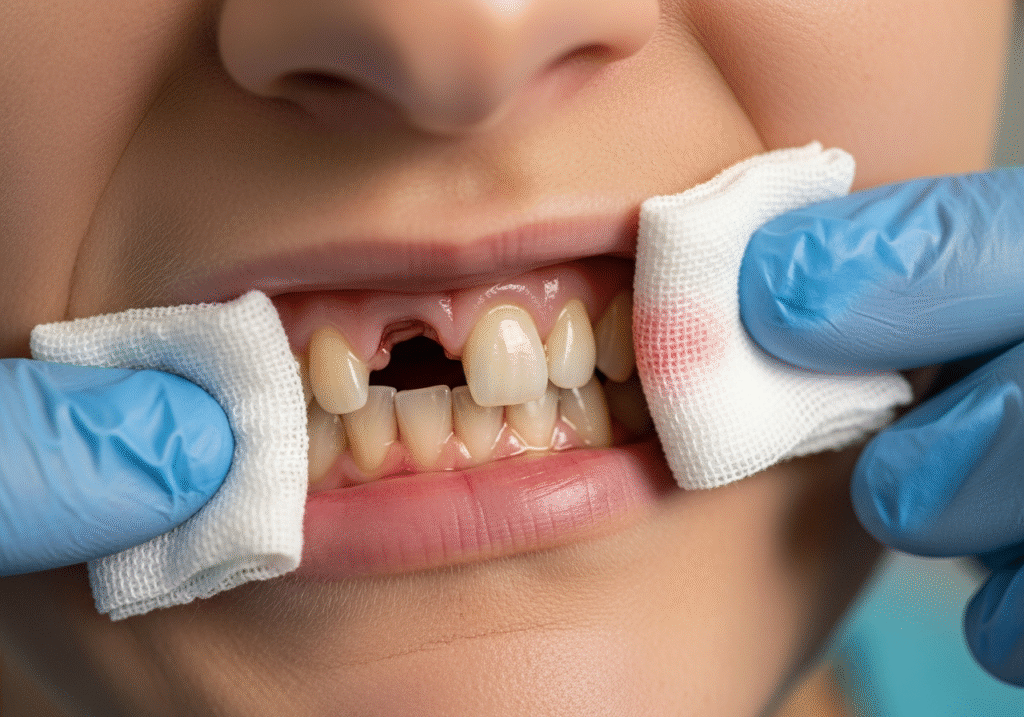
Different materials have different strengths, and knowing what your crown is made from helps predict how it might chip or wear. A metal crown made from gold alloy, palladium, nickel, or chromium is known for its incredible durability. These crowns rarely crack but can look less natural. A porcelain-fused-to-metal crown, on the other hand, combines the toughness of metal with the look of natural teeth. However, porcelain’s fragile surface makes it more likely to experience a chipped crown from biting hard food or dental wear and tear.
For the most natural look, many patients choose ceramic crown or all-porcelain options. They match the color of real teeth beautifully but can be more prone to damage—especially for people with bruxism, or teeth grinding. Resin composite crowns are typically used as temporary crowns and are less durable but affordable. The lifespan of any crown depends on your habits, oral hygiene, and material quality. Understanding these differences helps you make smarter decisions if you ever need a crown replacement or crown repair in the future.
Common Causes of Chipped or Broken Crowns
A chipped crown or broken dental crown can happen to anyone, even if you’ve cared for your teeth diligently. One of the main cracked tooth causes is simple wear over time. Chewing ice, hard candies, or unpopped popcorn kernels can create tiny fractures that eventually cause the crown to break. A sudden fall, a sports injury, or even using your teeth to open packages can also cause a tooth fracture or damaged crown.
Another major reason behind a cracked crown is grinding teeth while sleeping. This constant pressure weakens the crown’s surface, especially in people who clench their jaw under stress. Dental wear and tear accumulates silently until one day the crown chips or loosens. Sometimes, decay under the crown can cause it to lose stability. A dental infection or abscess under the tooth may even loosen the crown completely. To prevent these issues, dentists often recommend using a mouth guard at night and avoiding bad chewing habits. If you’re wondering how to prevent chipped crowns, the best advice is simple: handle your teeth with care and don’t ignore early warning signs.
What to Do Immediately After Your Crown Chips or Breaks
When you notice a chipped tooth crown, time matters. The first thing to do is stay calm. Gently rinse your mouth with warm water to remove any debris. If a piece of the damaged crown is loose, take it out carefully so you don’t swallow it. Avoid touching the area too much, and don’t chew food on that side of your mouth. If sharp edges are irritating your tongue, you can cover them temporarily with dental wax or a dab of sugar-free gum.
Next, find help quickly. Look up emergency dentist near me or urgent dental care and request a same day dental appointment. Tell them you have a broken dental crown or that your dental crown fell off—this helps prioritize your visit. If you can’t reach a dentist immediately, apply dental cement for loose crown available at most pharmacies as a short-term fix. This temporary solution prevents tooth sensitivity and shields the area until your experienced dentist can evaluate you. Acting quickly prevents infection, pain, or the crown from becoming completely detached.
Can a Chipped Crown Be Repaired or Replaced?
Whether a chipped crown can be repaired depends on the extent of the damage and the type of crown you have. If only a small piece of porcelain has chipped off, your dentist may perform a resin repair for crown—a quick fix using tooth-colored resin composite that bonds to the existing material. This restores the tooth’s look and function while preventing further cracking. However, if the cracked crown exposes the underlying tooth, a crown replacement procedure is usually necessary to prevent deeper damage or tooth decay.
When considering crown repair versus full crown replacement, your dentist will check the integrity of the tooth restoration underneath. If the underlying tooth enamel or dental pulp is healthy, a repair might suffice. But if decay, fractures, or leakage under the crown are found through x-rays, the best route is replacement. Many modern clinics now use advanced CAD/CAM technology to make same day crowns, saving time and extra visits. A trusted dental clinic with the right tools ensures you don’t wait long for your tooth crown restoration.
Treatment Process for Fixing a Broken Crown
When you visit your dentist for a broken dental crown, the first step will be a complete dental exam. This includes x-rays to check whether the underlying tooth and roots are healthy. If you still have a temporary crown in place, your dentist will carefully remove it to inspect the area underneath. The goal is to find out whether the problem is with the crown itself or if the real tooth beneath has issues like tooth decay or gum damage.
After inspection, the dentist will clean and prepare the tooth. If the crown only needs a crown repair, they might use a resin composite to fix the chipped section. However, when the crown can’t be saved, a full crown replacement procedure begins. The old crown cementation is removed, and a new dental impression or digital scan is taken to create a custom tooth restoration. This process ensures that the new porcelain crown, metal crown, or ceramic crown fits your bite perfectly.
Some modern clinics use 3D design systems that allow for same day dental appointments, meaning you can walk out with your new crown on the same visit. This technology is becoming increasingly popular in Absolute Dental Las Vegas, Reno dentist offices, and Henderson dental clinic locations. Whether you choose an in-office crown or lab-made version, your experienced dentist will cement it in place with precision, restoring comfort and confidence to your smile.
Protecting and Maintaining Your New Crown
Once your dental crown is repaired or replaced, proper crown aftercare tips help make sure it lasts. For the first day, avoid sticky or crunchy foods that can loosen or irritate the new crown. Stick to soft foods and chew on the opposite side of your mouth. Even after the crown feels normal, be mindful of foods to avoid with crown like ice, hard candy, or nuts, which can cause tiny fractures over time.
Good dental hygiene with crowns is vital. Brush twice daily using a soft-bristled toothbrush and fluoride toothpaste. Gently floss around the crown without tugging too hard, as aggressive cleaning can disturb the dental cement seal. If you tend to grind your teeth at night, ask your dentist about a custom mouth guard. This helps prevent grinding teeth crown damage and keeps your restoration intact. Remember, a healthy crown relies on a clean, stable base. Regular dental exams every six months and professional cleanings at a trusted dental clinic ensure your crown remains strong and comfortable for years.
Potential Problems if a Broken Crown Is Ignored

Ignoring a cracked crown or damaged crown can lead to much more serious dental issues. Once a crown breaks, the vulnerable natural tooth underneath is exposed. This exposure invites bacteria that can cause dental infection, tooth decay, or even an abscess. Over time, the damage can reach the dental pulp, resulting in severe tooth sensitivity, pain, and swelling. In extreme cases, the infection may spread, requiring a root canal or tooth extraction.
Many patients assume a small chip isn’t urgent, but even minor cracks weaken the crown’s structure. Eventually, a chipped crown can shift your bite, leading to tooth fracture or discomfort while chewing. The longer you delay professional dental treatment, the higher the chance of needing a more complex and expensive procedure later. One case involved a patient who delayed fixing their broken dental crown for weeks; what began as a small chip ended with a complete crown replacement and root canal due to deep decay. In short, acting fast saves both your teeth and your wallet.
Alternatives to Dental Crowns
If your chipped crown is beyond repair or you’re exploring other options, there are several cosmetic dentistry options available today. In some cases, veneers vs crowns becomes the main discussion. Veneers cover only the front of the tooth and work well for minor chips or discoloration. They’re less invasive but not as durable for molars that endure heavy chewing. Dental bonding is another affordable fix for small chips—it uses a resin composite applied directly to the tooth for a natural appearance.
When the underlying tooth cannot support a new dental crown, your dentist may recommend dental implants. These replace the tooth entirely and last for decades with proper care. If multiple teeth are damaged, a dental bridge and crown solution might restore your bite. Each option comes with its own dental crown cost, maintenance routine, and longevity. Discuss these possibilities during your dental exam offer appointment or consultation to find the best long-term solution for your smile.
When to Call Your Dentist
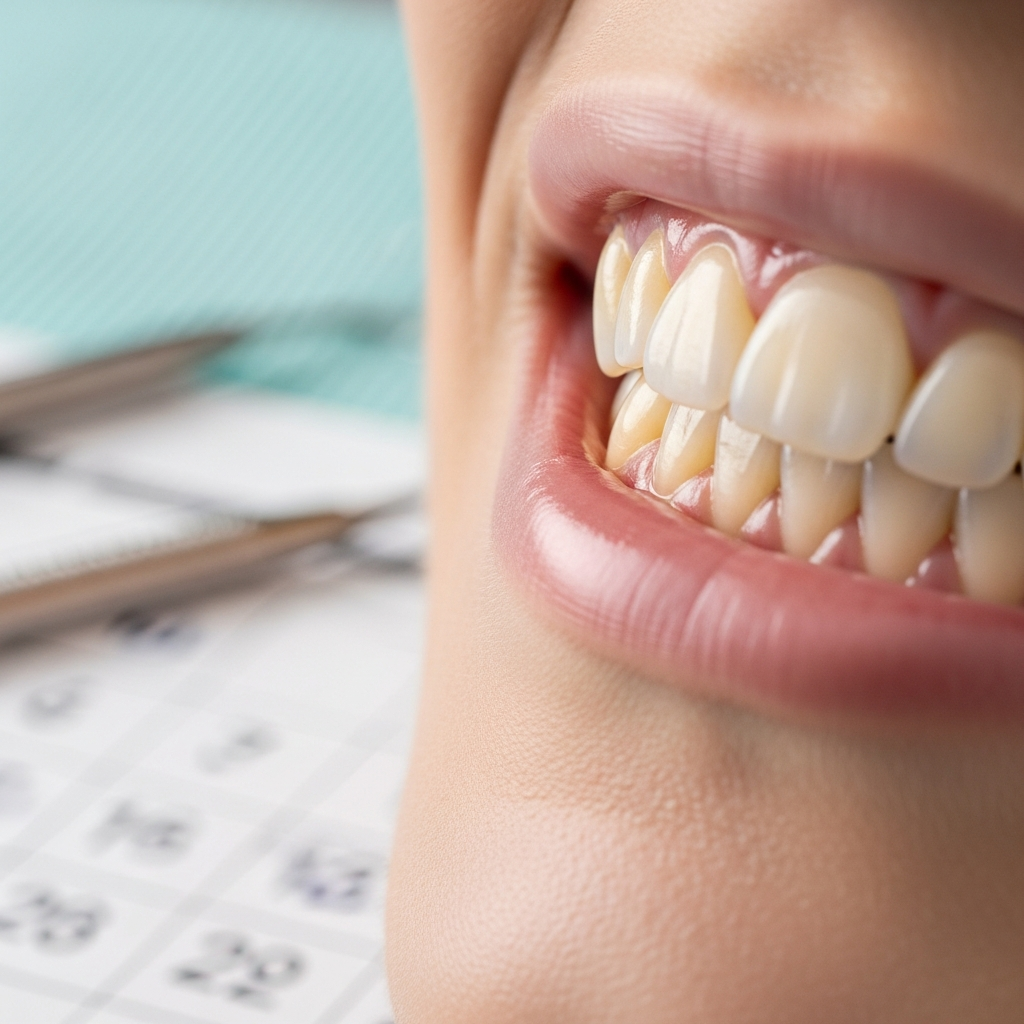
If your dental crown fell off, cracked, or you feel sharp edges cutting your cheek or tongue, don’t delay—call dentist for broken crown right away. Pain, swelling, or persistent tooth sensitivity are clear warning signs that the inner tooth might be exposed or infected. Search emergency dentist near me or visit your Nevada dental care provider for urgent dental care. Clinics like Absolute Dental Las Vegas, Reno dentist, and Henderson dental clinic often provide same day dental appointments for these emergencies.
When explaining the situation, use clear terms like “what to do if crown breaks” or “crown chipped what now” so the receptionist understands it’s urgent. Bringing the broken piece with you, if possible, helps the dentist assess whether crown repair or full replacement is necessary. If you can’t reach your dentist immediately, use dental cement for loose crown to secure it temporarily. Avoid hard foods and extreme temperatures until your experienced dentist restores it properly. Quick action not only relieves pain but prevents further damage to your tooth restoration.
How to Stop Wisdom Tooth Pain
To stop wisdom tooth pain, take over-the-counter pain relievers such as ibuprofen or acetaminophen. Rinsing your mouth with warm salt water and applying a cold compress can help reduce swelling and discomfor
Same Day Tooth Extraction and Implant
Some dental clinics offer same day tooth extraction and implant, allowing a tooth to be removed and a dental implant placed in one appointment. This reduces healing time and restores function quickly.
50 Soft Foods to Eat After Tooth Extraction
After a tooth extraction, eat soft foods like yogurt, mashed potatoes, soups, smoothies, applesauce, and scrambled eggs. These are gentle on the extraction site and aid recovery.
Flipper Tooth
A flipper tooth is a removable temporary dental appliance that fills a gap while waiting for a permanent crown, bridge, or implant. It helps maintain appearance and chewing ability.
Wisdom Tooth Pain
Wisdom tooth pain occurs when the third molars erupt or become impacted, leading to swelling, discomfort, and sometimes infection. Timely dental evaluation can prevent complications.
Tom Cruise Tooth
The term Tom Cruise tooth often refers to cosmetic dental appearance or alignment inspired by celebrity smiles. It is used in discussions about veneers or cosmetic dentistry options.
Snaggle Tooth
A snaggle tooth is a misaligned or protruding tooth. Cosmetic treatments like braces, veneers, or dental bonding can correct its appearance.
FAQ
Can a chipped crown be repaired?
Yes, minor chips can often be smoothed or repaired with dental bonding, but severe damage may require crown replacement.
What should I do immediately if my crown chips?
Rinse your mouth with warm water, avoid hard foods, and contact your dentist promptly for evaluation.
Does a chipped crown hurt?
It can cause sensitivity or discomfort, especially if the underlying tooth or gum is exposed.
Can I eat with a chipped crown?
Avoid hard, sticky, or crunchy foods until a dentist repairs or replaces the crown.
How long can I wait to see a dentist for a chipped crown?
Ideally, you should see a dentist as soon as possible to prevent further damage or infection.
Can a chipped crown fall off completely?
Yes, untreated chips can worsen and eventually cause the crown to loosen or fall off.
Is it safe to ignore a chipped crown?
No, ignoring it can lead to tooth decay, sensitivity, or more extensive dental work.
Will a dental crown repair be painful?
Most repairs are painless, and local anesthesia can be used if replacement or bonding is needed.