
At first, a tooth infection might not seem like a big deal, but if you don’t treat it right away, it could get worse. Knowing how a tooth infection can kill you can help you see why getting help right away is so important. If you don’t treat an infected tooth, it could lead to tooth infections that could kill you. This article will talk about the signs and risks, as well as how to keep yourself safe.
One of the most common causes of these infections is a dental abscess or an abscessed tooth. The bacteria in the infected area can spread to other parts of your body, which can lead to serious health problems like sepsis or even a brain abscess. Knowing the signs and when to get help can keep you alive. We’ll also talk about how to prevent and treat problems so that you know what to do if you think something is wrong.
What Is a Tooth Infection?
When bacteria get into the soft tissue inside your tooth or gums, you get a tooth infection. This is often caused by tooth decay, gum disease, or an injury. The infection makes a pocket of pus called a dental abscess, which hurts and makes the area swell. The immune system fights the infection, which causes swelling.
This bacterial infection can spread and hurt not only the tooth but also the tissues around it if it is not treated. Sepsis is what happens when an infection gets into the bloodstream. This can be very dangerous because the infection spreads to other important organs.
Early Warning Signs and Symptoms
It’s very important to know the early signs of a tooth infection. You might have really bad tooth pain that won’t go away. Biting or chewing can make the pain worse. Another common sign is that your teeth hurt, especially when you eat hot or cold foods. You might taste something bad in your mouth or see pus coming from the tooth that hurts.
Facial swelling, which is swelling in the face or gums, is a clear sign that the infection is getting worse. Some people get a fever and feel tired, which means the infection is spreading beyond the tooth. Other signs include painful lymph nodes, jaw or ear pain, and trouble eating.
Things That Shouldn’t Be Ignored
Some signs show that the infection has gotten worse. If you have trouble swallowing or breathing, the infection may be blocking your airways. This is an emergency that needs medical help right away. If your face or gums start to swell and get worse quickly, you should see a doctor right away.
Fever and tiredness are signs that the infection has spread throughout the body. This means that the body is fighting an infection that can spread throughout the whole body. Never ignore these dental infection complications because they can get worse quickly and even kill you.
How a tooth infection gets worse
Localized pain and swelling are the first signs of a tooth infection. If you don’t treat it, it can spread to nearby tissues and cause a dental abscess. The bacteria can then move to the jawbone and soft tissues, where they can kill cells and cause more inflammation. At this point, things get serious.
If the infection gets into the bloodstream, it can cause sepsis or a bloodstream infection. It can also spread to the neck, which can cause Ludwig’s angina, a dangerous infection that blocks the throat. Mediastinitis and necrotizing fasciitis are two other rare but deadly complications that quickly destroy tissues.
When does an infection in a tooth become dangerous to life?
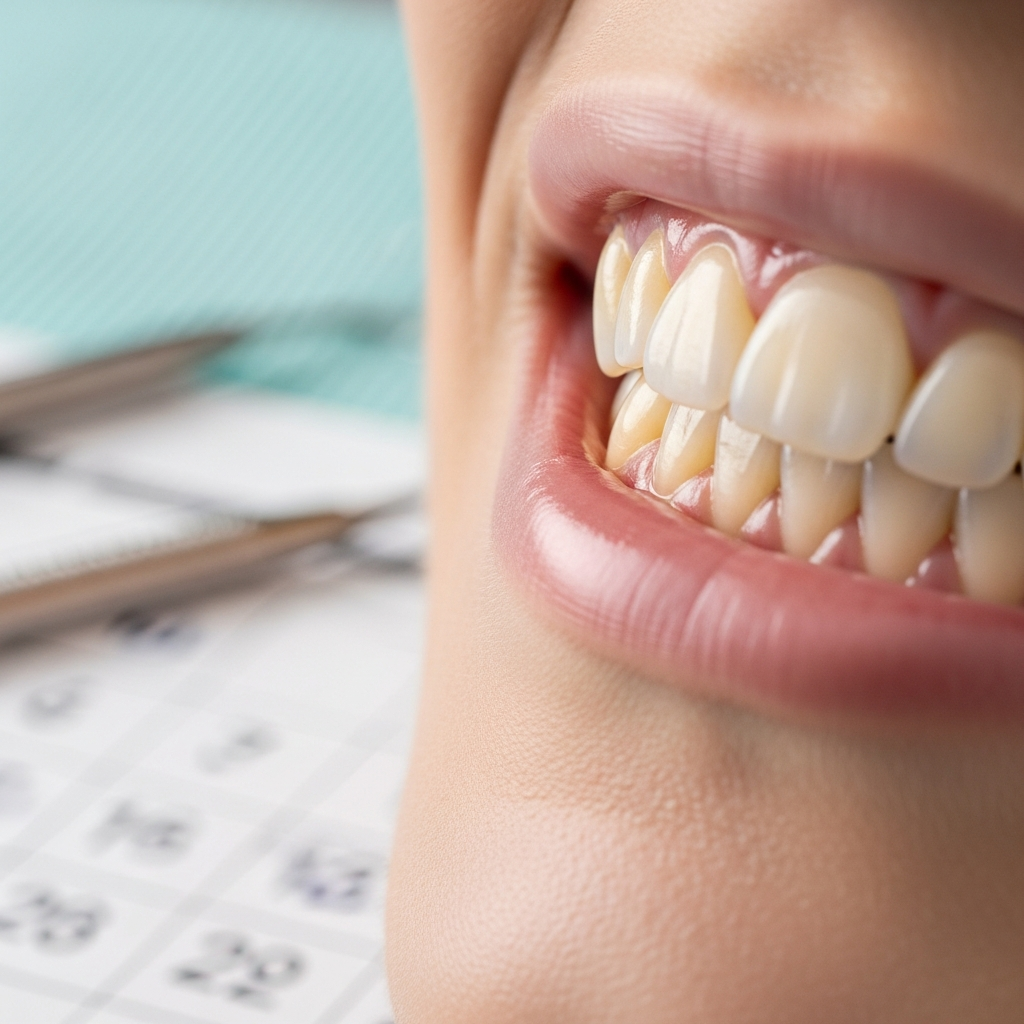
A tooth infection that could kill you happens when bacteria get into important parts of the body. For instance, if the infection gets to the brain, it can cause a brain abscess, which can kill you if you don’t get surgery and antibiotics. Heart infection, or endocarditis, is another deadly disease in which bacteria damage heart valves.
How quickly a tooth infection can kill you depends on things like the type of infection and your general health. Some infections get worse in a few days, while others take weeks. But if you have trouble swallowing or breathing or your swelling is really bad, time is of the essence. You need to go to the hospital right away.
Risk Factors That Make Tooth Infections More Dangerous
Certain conditions increase the risk of dental infection complications. People with weakened immune systems, such as those with diabetes or cancer, are at higher risk. Poor oral hygiene, smoking, and untreated cavities can also speed up infection progress.
Age matters too. Very young children and elderly adults often suffer more severe consequences because their bodies cannot fight infection as well. Those who delay prompt dental care or ignore symptoms risk turning a treatable problem into an emergency.
Emergency Situations — When to Go to the Hospital
Knowing when to go to the hospital for a tooth infection can save your life. If you have severe tooth pain along with facial swelling, fever, or difficulty breathing, seek emergency dental treatment immediately. These signs suggest that the infection has spread and could block your airways.
If you develop jaw or ear pain with swelling that worsens, or if you feel weak and tired with a high fever, urgent treatment for tooth infection is necessary. Hospitals can provide antibiotics for tooth infection, incision and drainage, and advanced care that a regular dentist may not offer.
Effective Treatment Options for Tooth Infections
Treatment depends on the infection severity. Mild infections can sometimes be managed with antibiotics for tooth infection combined with good oral hygiene. However, many cases require root canal treatment or tooth extraction to remove infected tissue.
For a dental abscess, abscess drainage is often needed to release pus and reduce swelling. In severe cases, hospital treatment for dental abscess might be necessary. Emergency dental treatment aims to stop the spread of infection and reduce the risk of serious complications.
Can Home Remedies Help?
Some home remedies may ease symptoms temporarily, like rinsing with warm salt water or taking over-the-counter painkillers. But these do not treat the infection itself. Relying only on home care can allow the infection to worsen and lead to a life-threatening tooth infection. Always seek professional care if you suspect an infected tooth.
Preventing Tooth Infections

The best way to avoid untreated tooth infection is through good oral hygiene. This means regular brushing and flossing, avoiding too many sugary foods, and visiting the dentist for professional dental cleaning and dental check-up. Early treatment of cavities and gum disease helps prevent infections.
A consistent dental hygiene routine also helps in gingivitis prevention and tooth decay prevention. Taking care of your teeth reduces the chance of developing a painful abscessed tooth and serious infections that can spread to other parts of your body.
Tips to Prevent a Tooth Infection From Becoming Life-Threatening
Understanding how serious a tooth infection can become is the first step toward protecting your health. While people often ask how long until a tooth infection kills you, the truth is that the timeline varies, and the danger increases quickly when the infection is ignored. These tips will help you stay safe, reduce risks, and make sure an infection never reaches a life‑threatening stage.
The first tip is to pay attention to early warning signs. A tooth infection rarely becomes deadly overnight. It starts with pain, swelling, fever, or a bad taste in the mouth. Instead of waiting for symptoms to worsen, take them seriously from the beginning. When pain becomes constant or swelling increases, bacteria are spreading deeper into the tissues. Early action prevents the infection from reaching the bloodstream and spreading to vital organs.
Another important tip is to avoid self-diagnosing and home remedies alone. While warm saltwater rinses, over‑the‑counter pain relievers, and cold compresses can help temporarily, they cannot cure the infection. Only professional dental treatment can remove the source of the problem. Relying on home care for too long allows the infection to grow, increasing the risk of sepsis, which can be fatal if untreated.
Seeking prompt dental care is the most crucial step. A dentist can drain the abscess, prescribe antibiotics, or perform a root canal or extraction to eliminate the infection. Delaying treatment even for a few days can allow the infection to spread to the jaw, throat, bloodstream, or brain. Some documented cases show that untreated infections became deadly within days. Quick action greatly reduces that danger.
Another essential tip is to avoid ignoring symptoms because the pain “goes away.” Sometimes the pain disappears not because the infection healed, but because the nerve inside the tooth has died. This is extremely dangerous because the bacteria continue spreading silently. Even when pain reduces, the infection is still active and can travel through the body. That’s why dental visits are necessary, even if symptoms change.
For people with weakened immune systems—such as those with diabetes, heart conditions, or chronic illnesses—extra caution is needed. These individuals should seek immediate dental care at the very first sign of infection. Their bodies may not fight bacteria effectively, so infections can progress more quickly.
Good daily oral hygiene is another strong preventive measure. Brushing twice a day, flossing, and using antibacterial mouthwash help prevent cavities and gum disease, which are the main causes of tooth infections. Regular dental checkups every six months allow dentists to catch problems early before they become dangerous.
Avoiding smoking and limiting sugar intake are also helpful tips. Smoking weakens the immune system and slows healing, while sugar feeds harmful bacteria that cause tooth decay. A healthy diet rich in vitamins and minerals strengthens your teeth and gums, reducing infection risks.
In short, the most effective way to prevent a tooth infection from becoming life‑threatening is simple: act early, never ignore symptoms, and seek dental care quickly. With the right steps, you can protect yourself from serious complications and keep your oral and overall health safe.
Frequently Asked Questions
How fast can a tooth infection become life-threatening?
The speed varies. Some infections worsen within days, especially if the immune system is weak. Others may take weeks. But once symptoms like swelling, fever, or breathing trouble appear, the infection can become life-threatening within hours.
Can antibiotics alone cure a tooth infection?
Antibiotics can control the infection but often cannot cure it without removing the source. Infected tissue inside the tooth usually needs to be cleaned out with root canal treatment or the tooth extracted.
Who is most at risk for serious complications?
People with weakened immune systems, diabetes, elderly individuals, and young children are at higher risk. Also, anyone delaying treatment or ignoring symptoms faces greater danger from dental infection complications.
What should I do if I notice swelling or fever?
Seek immediate dental attention or go to the hospital if swelling or fever develops with tooth pain. These signs mean the infection is spreading and can cause dangerous problems quickly.